
A Simple Guide to Plastic Injection Mold Making
In today’s manufacturing environment, plastics are being used to make a wide variety of items, and each application requires a special manufacturing process that can mold the part based on its specifications. If you're looking to manufacture a plastic part, one of the first things you'll need to determine is the type of molding that would be best for your particular application. At HOPO Mould, we specialize in high volume custom injection mold making. We provide a brief overview of the 5 different types, their advantages and applications.
Plastic Blow Molding - suited for hollow objects, such as bottles
Blow Molding is ideal for producing hollow items like bottles. The method is similar to glass blowing: a heated plastic tube, called a parison, is inflated with air. The air pressure forces the plastic to conform to the mold, creating the desired shape. After cooling, the molded plastic is removed.
This process is particularly suited for producing large quantities of single-piece hollow objects. If mass-producing bottles is your goal, blow molding is the way to go. It efficiently creates uniform, thin-walled containers at a low cost.
Compression Molding - suited for larger objects such as auto parts
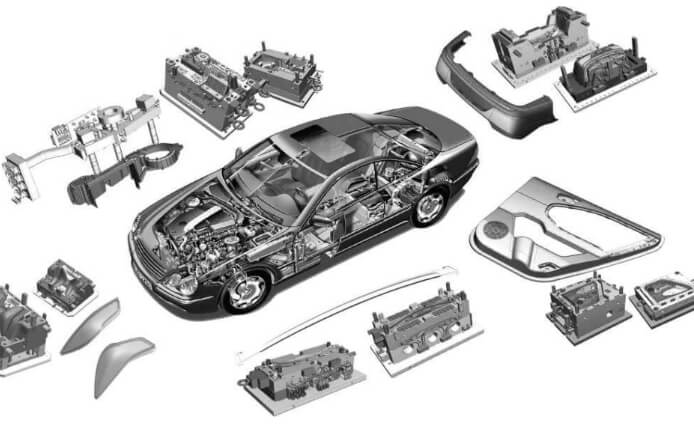
Compression Molding is ideal for producing larger items, such as automotive parts. This method involves placing heated plastic material into a heated mold, where it is then compressed into the desired shape. The plastic can be in bulk form or sheets. The heating process, known as curing, ensures the final product retains its integrity. After molding, the part is removed, and if sheets are used, the excess material is trimmed before removal.
This molding technique is well-suited for high-strength materials like thermosetting resins, fiberglass, and reinforced plastics. The enhanced strength properties of these materials make compression molding essential for the automotive industry.
Extrusion Molding - suited for long hollow formed applications like tubing, pipes and straws
Extrusion Molding is ideal for producing long, hollow items like tubing, pipes, and straws. Unlike other molding methods that use extrusion to fill a mold, this process extrudes the melted plastic directly into a die, which shapes the final product.
In extrusion molding, melted plastic is forced through a die to create objects with a fixed cross section. This method is efficient for producing various shapes. Since the plastic melts from a solid state and then solidifies again, only thermoplastics are suitable for extrusion. The extruded material is cooled and then either cut or rolled for shipping.
Injection Molding - suited for high-quality, high-volume part manufacturing
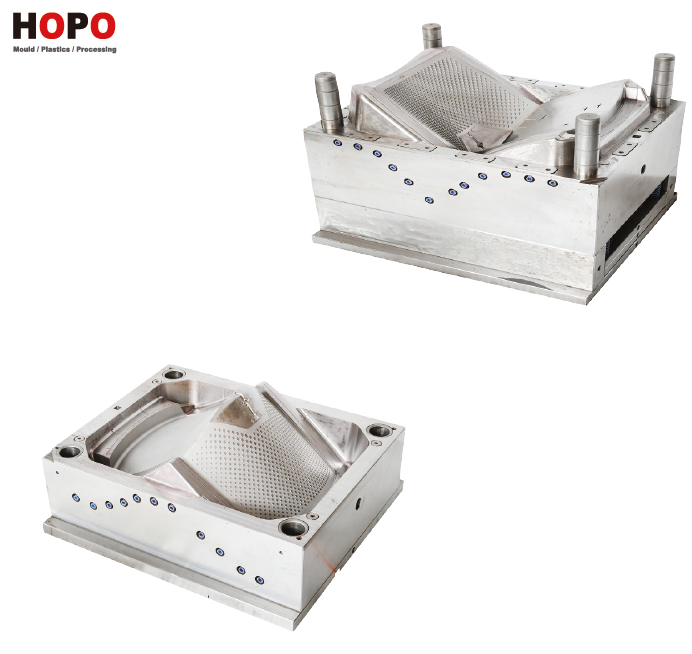
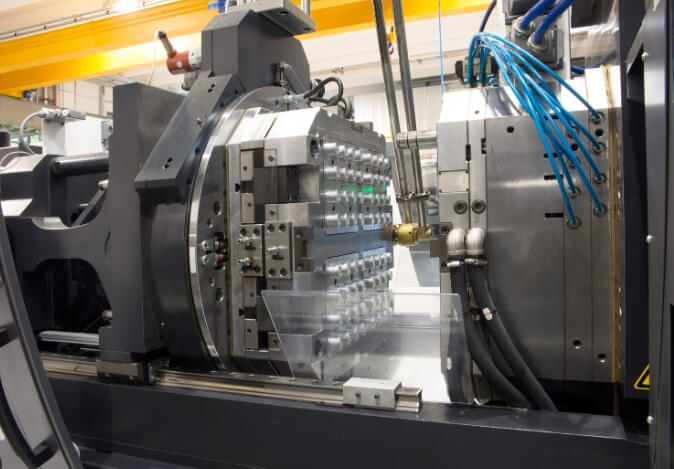
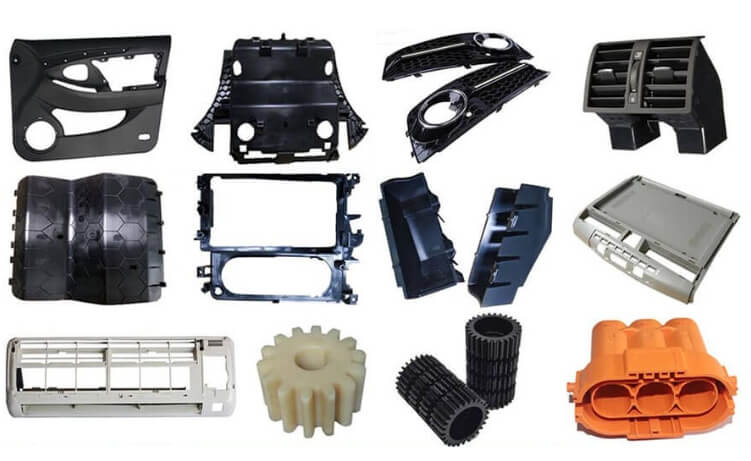
Injection Molding is ideal for producing high-quality, high-volume parts. This technique is the most versatile among injection molding methods, utilizing presses of varying sizes and rated by pressure or tonnage. Large machines can mold car parts, while smaller ones can create precise plastic components for surgical use. The wide variety of plastic resins and additives available further enhances its flexibility for designers and engineers.
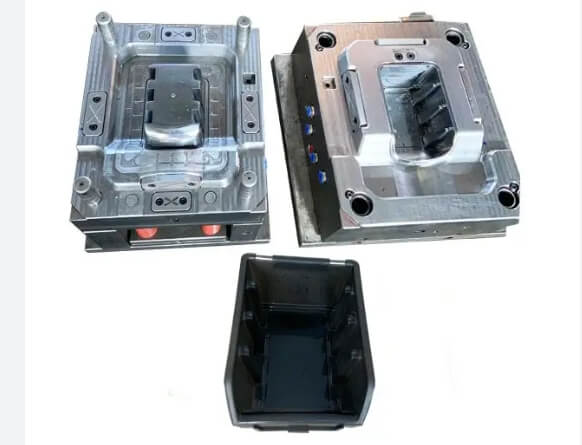
The process is relatively straightforward: steel molds with cavities shape the parts. Melted plastic is injected into these molds, filling the cavities. Once the mold cools, the parts are ejected by pins. This is similar to how a jello mold is filled and cooled to form the final product.
Although the initial mold-making costs are relatively high, the cost per part is very economical. The low cost per part, along with the variety of resins and finishes available, has made injection molding a popular choice in modern manufacturing.
Rotational Molding (Rotomolding) - suited for large, hollow, one-piece parts
Rotational Molding (Rotomolding) is ideal for creating large, hollow, one-piece parts. This method involves using high temperatures and rotational motion to evenly coat the inside of the mold, forming the part. The constant rotation generates centrifugal force, resulting in uniformly thick walls. Although this process is not quick, it is well-suited for making large hollow containers like tanks and can be more economical than other molding techniques. Additionally, it produces minimal waste, with excess material often being reusable, making it a cost-effective and environmentally friendly option.
Each molding method has its own advantages and disadvantages. Designers and engineers must understand these differences and the available production options. There are multiple approaches to achieving a final manufacturing solution. Consulting with a plastic molding manufacturer, such as HOPO Mould, can provide valuable insights into the best applications and materials for a specific project.
HOPO Mould's Plastic Injection Mold Advantages
When it comes to plastic injection mold making, HOPO Mould excels in making plastic molds that stand out in the market. One of the key advantages of choosing HOPO Mould is their dedication to precision and quality. They use state-of-the-art technology and equipment to ensure that every mold is crafted to exact specifications, resulting in high-quality, consistent parts for your production needs.
HOPO Mould also offers a wide range of customization options. Their experienced team works closely with clients to understand their unique requirements and develop tailored solutions that optimize efficiency and performance. Whether you need molds for automotive parts, medical devices, or consumer goods, HOPO Mould has the expertise to deliver exceptional results.
Moreover, HOPO Mould is committed to innovation and continuous improvement. They stay up-to-date with the latest industry trends and technological advancements, ensuring that their clients benefit from the most current and effective molding techniques. This commitment to excellence not only enhances the quality of the molds but also helps in reducing production costs and time-to-market.
About HOPO Mould
Creating plastic injection molds is a complex process that involves careful planning, precise engineering, and expert craftsmanship. Understanding the basics of mold making can help you appreciate the value and intricacy of the products you use daily. Whether you're an engineer, designer, or manufacturer, knowing how these molds are made can inform better decisions and lead to more innovative solutions.
For those seeking top-quality plastic injection molds, HOPO Mould stands out as a leader in the industry. With years of experience and a commitment to excellence, HOPO Mould offers comprehensive services from initial design to final production. They specialize in creating custom molds tailored to meet the specific needs of their clients, ensuring optimal performance and durability. HOPO Mould's advanced technology and skilled team enable them to handle complex projects efficiently, making them a trusted partner for businesses worldwide.
Visit HOPO Mould to learn more about their capabilities and how they can help bring your plastic injection molding projects to life.
Related Articles
 The Top Injection Molding Industry Leader 2026-02-24 0
 2026 Injection Molding Industry Leader 2026-02-24 0
 USA Top Custom Moulding Experts 2026-02-11 0
 2026 Architectural and Decorative Moulding Leaders in USA 2026-02-11 0
 2026 Top Industrial Plastic Injection Moulding Titans 2026-02-02 0
- 2026 Top Moulding Company 2026-02-02 0
- What Is an Aluminum Injection Mold and Why Is It Used 2026-01-19 0
 How Does Aluminum Material Grade Impact Mold Cost 2026-01-19 0
 The Cost of an Aluminum Injection Mold 2026-01-19 0
 What Affects the Cost of an Aluminum Injection Mold 2026-01-19 0
 What Is the Strength of the 7 Most Common Injection Molding Plastics 2026-01-12 0
 How Thick Can You Injection Mold Plastic 2026-01-12 0
 What Are the 7 Steps of PLC 2025-12-16 0
 What Is PLC in Injection Molding 2025-12-16 0
- What Is the Minimum Wall Thickness of the 7 Main Types of Plastic 2025-12-11 0
 Industry Standards or Guidelines for Wall Thickness by Application 2025-12-11 0
 Why Does Plastic Shrink More in Thick Sections in Injection Molding 2025-12-02 0
 The Strongest Plastic for Injection Molding 2025-12-02 0
- Why is Machine Assistance Essential in High-Demand Mould Shops 2025-11-20 0
 Common Defects and Limitations Must Mold Finishers Anticipate with CP 2025-11-20 0
