
Aluminum Vs. Steel Injection Molds
author: CHEN
2025-02-25
Aluminum vs. Steel Injection Molds Which One Should You Choose for Your Project?
When it comes to injection molding, choosing the right mold material is crucial for achieving the best results, and this decision boils down to two major contenders: aluminum and steel. Whether you're prototyping, running a short production cycle, or mass-producing complex parts, understanding the differences between these two materials can save you time, money, and frustration.
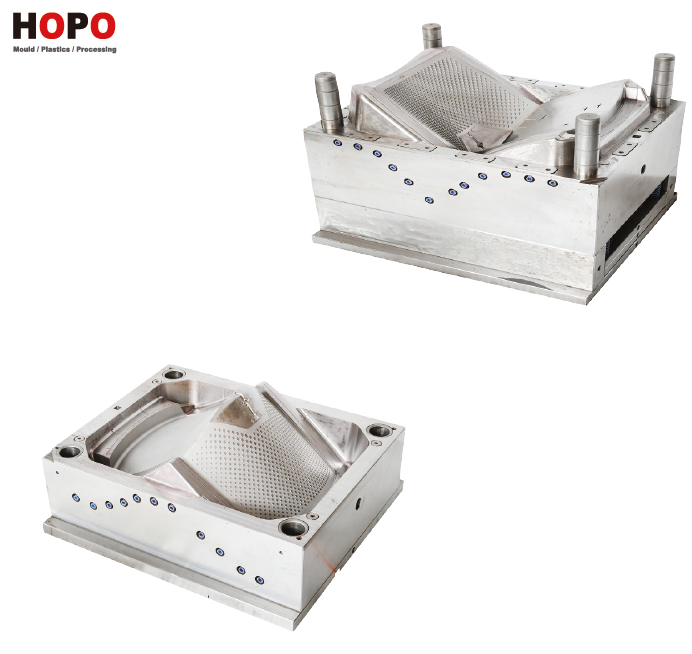
HOPO MOULD as a mould factory will break down the pros and cons of aluminum vs. steel injection molds so you can make an informed decision for your next project.

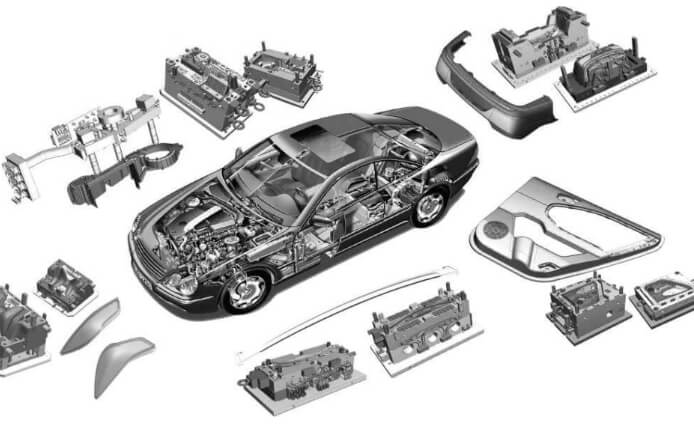
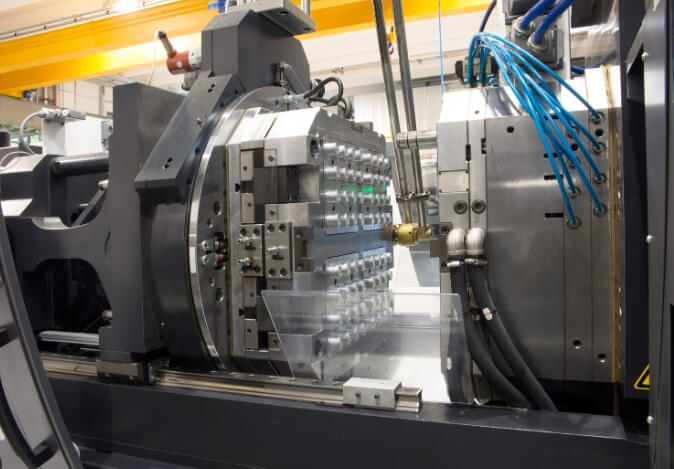
Injection molding is a manufacturing process used to create parts by injecting molten material into a mold cavity. The material, usually plastic, metal, or rubber, cools and solidifies into the desired shape. The mold’s quality and the material used play a critical role in the efficiency, cost, and durability of the final product. Aluminum and steel are the most common materials used for molds, and each has distinct benefits depending on the type of project you’re working on.
What's the Advantages of Aluminum Injection Molds?
1. Aluminum molds are a great choice when you need to keep initial costs low. They are significantly cheaper than steel molds to produce, making them perfect for prototyping or low-volume production. If you’re testing a new design or only need to manufacture a small batch, aluminum gives you a cost-effective option without compromising quality.
2. Aluminum is a better heat conductor than steel, which means it cools faster after each injection. This faster cooling time leads to shorter production cycles, which can be a big advantage when you need quick turnarounds on a project.
3. Since aluminum is a softer material than steel, it’s easier to machine, making it more suitable for producing molds with moderately complex designs. This characteristic also speeds up the mold-making process, which is ideal when you're working under tight deadlines.
4. Aluminum molds are perfect for creating prototypes. If you're testing a product design and need to adjust it frequently, the lower cost and faster production times of aluminum allow for quicker iterations and refinements.
Disadvantages of Aluminum Molds
1. While aluminum molds can be a great choice for lower-volume runs, they don’t last as long as steel molds. They are prone to wear and tear, especially when working with abrasive materials. If you need a mold that will last for hundreds of thousands of cycles, aluminum may not be the best choice.
2. Aluminum is not as strong as steel and can’t withstand high-pressure or high-temperature environments as well. If your product requires high precision or is made from a material that’s abrasive or high-temperature resistant, aluminum might not be able to handle the job.
What's the Advantages of Steel Injection Molds?
1. Steel molds are known for their strength and durability. They can withstand high-pressure, high-temperature conditions and abrasive materials that would wear down aluminum. If you’re planning for a high-volume production run, steel is your best option. Steel molds can endure millions of cycles before showing any significant signs of wear.
2.While steel molds have a higher upfront cost, they are worth the investment for long-term, large-scale production. Their ability to withstand repeated use without degrading means they’re more cost-effective over the long run, especially for high-volume manufacturing.
3. Steel molds can handle intricate, high-precision designs better than aluminum. If your part requires multiple undercuts, thin walls, or very detailed features, steel molds are more capable of producing these complex designs consistently.
4. Steel’s durability makes it ideal for molding abrasive materials (such as glass-filled plastics) and high-temperature materials. These types of materials can quickly wear down aluminum molds, making steel the superior choice for these types of projects.
Disadvantages of Steel Molds
1. Steel molds are more expensive to create than aluminum molds, primarily due to the increased difficulty of machining steel and the longer processing times involved. If you’re only producing a small batch, this higher cost may not justify the investment.
2. Because steel is a poorer conductor of heat compared to aluminum, it requires longer cooling times. This results in slower production cycles—making it less suitable for rapid turnarounds compared to aluminum molds.
Aluminum and Steel Injection Molds Key Differences Features
To make your decision easier, here’s a side-by-side comparison of aluminum and steel injection molds across several key features.
|
Feature |
Aluminum Molds |
Steel Molds |
|
Cost |
More affordable, lower tooling costs |
Higher upfront cost, more expensive tooling |
|
Production Speed |
Faster cycle time, quicker cooling |
Slower cooling time, longer production cycles |
|
Durability |
Less durable, wears down faster |
Highly durable, longer lifespan |
|
Design Complexity |
Best for simple to moderate designs |
Ideal for complex, detailed designs |
|
Lifespan |
50,000 – 100,000 cycles |
500,000 to millions of cycles |
|
Best Use |
Low to medium volume production |
High volume production and complex parts |
|
Material Suitability |
Best for plastics, softer materials |
Suited for harder, more abrasive materials |
When to Choose Aluminum Molds?
- Low to medium-volume production runs, where you need to keep costs down.
- Prototyping or product testing, where design changes are frequent.
- Faster production timelines and quicker turnaround.
- Prototyping or product testing, where design changes are frequent.
- Faster production timelines and quicker turnaround.
When to Choose Steel Molds?
- High-volume production with long-term needs.
- Complex, high-precision designs that require a durable mold.
- Working with abrasive or high-temperature materials that demand robust mold construction.
- Complex, high-precision designs that require a durable mold.
- Working with abrasive or high-temperature materials that demand robust mold construction.
Which Mold Material Is Right for You?
The choice between aluminum and steel injection molds depends on your project’s specific needs. Aluminum molds are perfect for lower-volume runs, prototyping, and quick turnaround times, offering a cost-effective solution. However, they come with a shorter lifespan and may not be suitable for high-demand environments. Steel molds, on the other hand, are built for durability, longevity, and high-volume production, making them ideal for complex designs and harsh materials.

By evaluating factors like production volume, material type, and budget, you can determine the best mold material for your project and ensure your manufacturing process is as efficient and cost-effective as possible.
Related Articles
 The Top Injection Molding Industry Leader 2026-02-24 0
 2026 Injection Molding Industry Leader 2026-02-24 0
 USA Top Custom Moulding Experts 2026-02-11 0
 2026 Architectural and Decorative Moulding Leaders in USA 2026-02-11 0
 2026 Top Industrial Plastic Injection Moulding Titans 2026-02-02 0
- 2026 Top Moulding Company 2026-02-02 0
- What Is an Aluminum Injection Mold and Why Is It Used 2026-01-19 0
 How Does Aluminum Material Grade Impact Mold Cost 2026-01-19 0
 The Cost of an Aluminum Injection Mold 2026-01-19 0
 What Affects the Cost of an Aluminum Injection Mold 2026-01-19 0
 What Is the Strength of the 7 Most Common Injection Molding Plastics 2026-01-12 0
 How Thick Can You Injection Mold Plastic 2026-01-12 0
 What Are the 7 Steps of PLC 2025-12-16 0
 What Is PLC in Injection Molding 2025-12-16 0
- What Is the Minimum Wall Thickness of the 7 Main Types of Plastic 2025-12-11 0
 Industry Standards or Guidelines for Wall Thickness by Application 2025-12-11 0
 Why Does Plastic Shrink More in Thick Sections in Injection Molding 2025-12-02 0
 The Strongest Plastic for Injection Molding 2025-12-02 0
- Why is Machine Assistance Essential in High-Demand Mould Shops 2025-11-20 0
 Common Defects and Limitations Must Mold Finishers Anticipate with CP 2025-11-20 0
