
Challenges in Custom Plastic Part Manufacturing
author: HOPO MOULD
2024-12-03
Custom plastic parts are essential across industries like automotive, healthcare, electronics, and consumer goods. Producing these unique components involves a mix of precision, innovation, and flexibility, yet manufacturers face significant challenges at every stage. HOPO MOULD wil share the primary challenges of custom plastic part manufacturing and how they can be addressed.
1. Design Complexity and Customization Challenges
Custom plastic parts, design complexity directly impacts manufacturability. Intricate designs are often desired for advanced functionalities or aesthetics, yet achieving these can lead to:
Highly detailed designs can be difficult to translate into molds, especially when features require tight tolerances. For example, components with undercuts or thin walls can complicate the injection molding process, as these features make it harder to maintain structural integrity.
Design complexity typically leads to multiple iterations of prototypes. Each iteration needs to be analyzed, optimized, and re-evaluated, which can increase lead time and cost. Rapid prototyping methods, such as 3D printing, are often employed to accelerate this process.
Design complexity typically leads to multiple iterations of prototypes. Each iteration needs to be analyzed, optimized, and re-evaluated, which can increase lead time and cost. Rapid prototyping methods, such as 3D printing, are often employed to accelerate this process.
2. Tooling and Mold Development Challenges
Tooling is fundamental in custom manufacturing, yet it’s one of the most challenging steps.
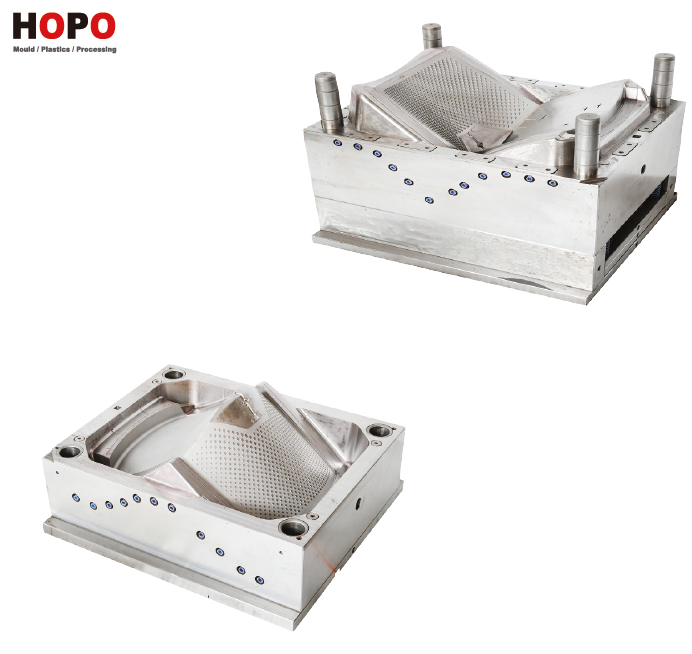
Creating molds for custom parts can be costly, especially for complex designs or materials that require specialized tooling. A simple injection mold can cost thousands of dollars, while high-precision molds can run much higher.
Regular use, especially under high temperatures and pressures, leads to mold wear over time. This affects the dimensional accuracy of parts and can lead to defects. Periodic mold maintenance or refurbishing, though necessary, adds time and cost to production.
Regular use, especially under high temperatures and pressures, leads to mold wear over time. This affects the dimensional accuracy of parts and can lead to defects. Periodic mold maintenance or refurbishing, though necessary, adds time and cost to production.
3. Material Selection and Availability
Choosing the right material is key to the functionality and durability of custom parts, but several issues can complicate this:
Specialized materials may offer desired properties—like chemical resistance or high tensile strength—but often come at a premium price. For example, in medical device manufacturing, FDA-compliant materials are essential, but they are also costly and can impact the overall budget.
Some parts may require additives, like fillers or colorants, to achieve specific properties, but these can interfere with the manufacturing process. Moreover, some additives may reduce material strength, limiting their applications.
4. Manufacturing Process Challenges
Custom plastic parts often require advanced manufacturing techniques, and each has its challenges:
Warping, shrinkage, and voids are common in custom parts. These issues arise from improper control over variables like temperature, pressure, and cooling times. For high-tolerance industries, such as aerospace, even minor flaws can render a part unusable.
Tolerances for custom parts can be extremely tight, especially in automotive and electronics applications. Achieving precision can be difficult due to factors like material shrinkage and machine variability. Investing in high-precision equipment and using sophisticated simulation software can improve accuracy.
Tolerances for custom parts can be extremely tight, especially in automotive and electronics applications. Achieving precision can be difficult due to factors like material shrinkage and machine variability. Investing in high-precision equipment and using sophisticated simulation software can improve accuracy.
5. Quality Control and Inspection
Maintaining quality is vital, particularly when batches need to meet strict standards.
Custom parts often need to be produced in multiple batches, each consistent with the last. Variability in material quality or machine settings can result in inconsistencies, which are unacceptable in industries like medical devices or aerospace.
Advanced inspection tools, such as coordinate measuring machines (CMM), help ensure parts meet specifications. However, these are time-consuming and add to overall production costs.
Advanced inspection tools, such as coordinate measuring machines (CMM), help ensure parts meet specifications. However, these are time-consuming and add to overall production costs.
6. Economic Viability and Cost Management
The economic aspect is crucial in custom plastic part manufacturing, especially when dealing with small quantities.
Small production runs are often requested for custom orders but increase the per-unit cost. Lean manufacturing practices and streamlined processes help reduce these costs, but they can still pose challenges.
Striking the right balance between cost and quality is challenging, as customers expect both affordable pricing and high-quality products. Materials, labor, and time-saving automation all factor into these cost decisions.
Striking the right balance between cost and quality is challenging, as customers expect both affordable pricing and high-quality products. Materials, labor, and time-saving automation all factor into these cost decisions.
7. Technological Challenges
Keeping up with technology can be beneficial but also presents challenges in terms of integration and skill development.
As machinery becomes more advanced, operators need training to effectively use new equipment. Skilled labor is essential to handle precision tasks, but training employees is a time and cost investment.
Integrating data for real-time monitoring can help maintain quality, but requires significant infrastructure. Implementing IoT (Internet of Things) sensors on machinery can aid in predictive maintenance but adds complexity to the manufacturing process.
Integrating data for real-time monitoring can help maintain quality, but requires significant infrastructure. Implementing IoT (Internet of Things) sensors on machinery can aid in predictive maintenance but adds complexity to the manufacturing process.
8. Environmental and Sustainability Challenges
Sustainability is increasingly important in manufacturing, and custom plastic parts production has specific environmental challenges.
Custom manufacturing often leads to material waste, especially in prototyping. Implementing recycling programs or designing molds that minimize waste can help address these concerns.
Many custom plastic manufacturing processes, particularly high-temperature molding, consume significant energy. Utilizing renewable energy sources or upgrading to energy-efficient machinery can mitigate environmental impact.
Many custom plastic manufacturing processes, particularly high-temperature molding, consume significant energy. Utilizing renewable energy sources or upgrading to energy-efficient machinery can mitigate environmental impact.
9. Customer Demands and Communication
Clear communication with customers is essential for meeting expectations, yet it can be difficult with complex custom orders.
Meeting the exact specifications is crucial, but customers may struggle to communicate detailed requirements. Providing prototypes, 3D renderings, and virtual simulations can bridge this gap and ensure accurate specifications are met.
Custom manufacturing can be a lengthy process due to design, tooling, and iteration stages. Keeping customers informed about lead times and limitations is essential to maintain realistic expectations.
Custom manufacturing can be a lengthy process due to design, tooling, and iteration stages. Keeping customers informed about lead times and limitations is essential to maintain realistic expectations.
10. Solutions and Strategies to Address These Challenges
Overcoming these challenges requires strategic planning, investment, and industry collaboration:
Working closely with clients from the initial design phase can reduce the need for rework. Digital twins and virtual simulations help clients visualize parts and make design adjustments early on.
Implementing lean manufacturing practices can streamline production, minimize waste, and reduce costs. Automation, especially in repetitive tasks, improves efficiency and allows staff to focus on high-value activities.
Advanced inspection tools and automated quality control systems can detect defects early, maintaining high standards while reducing waste and rework costs.
Advanced inspection tools and automated quality control systems can detect defects early, maintaining high standards while reducing waste and rework costs.
Custom plastic part manufacturing is a multifaceted process that requires balancing cost, quality, and innovation. By addressing challenges in design, tooling, material selection, and customer communication, manufacturers can produce reliable, high-quality plastic components tailored to client needs. Investing in technological advancements and maintaining a focus on sustainability are crucial for staying competitive in this rapidly evolving industry.
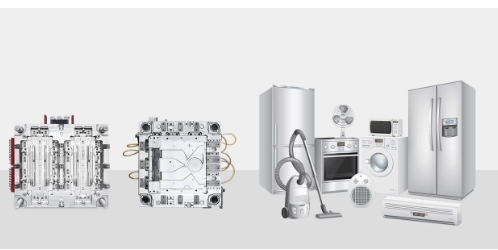
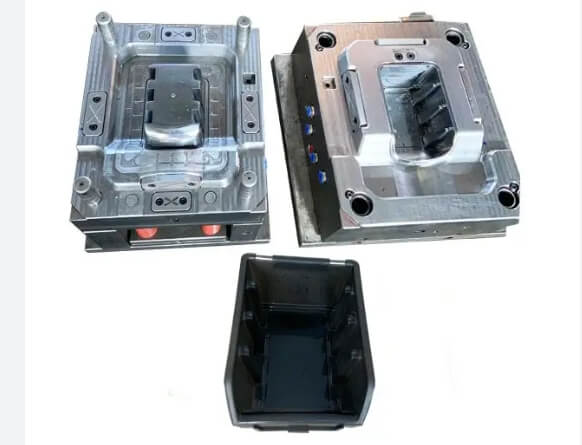
TAIZHOU HOPO MOULD & PLASTIC TECHNOLOGY CO., LTD is a professional plastic injection mould maker and relevant plastic products manufacturer established in 2012. Our Factory is in Zhejiang, China. We enjoy convenient land, water and air transportation, so we could provide short delivery time once the production finished. HOPO offer many kinds of high quality moulds, including daily use commodity moulds, home appliance moulds, automotive moulds, pipe fitting moulds and industrial products moulds, also could directy offer you those relevant plastic parts prodcution.
Related Articles
 The Top Injection Molding Industry Leader 2026-02-24 0
 2026 Injection Molding Industry Leader 2026-02-24 0
 USA Top Custom Moulding Experts 2026-02-11 0
 2026 Architectural and Decorative Moulding Leaders in USA 2026-02-11 0
 2026 Top Industrial Plastic Injection Moulding Titans 2026-02-02 0
- 2026 Top Moulding Company 2026-02-02 0
- What Is an Aluminum Injection Mold and Why Is It Used 2026-01-19 0
 How Does Aluminum Material Grade Impact Mold Cost 2026-01-19 0
 The Cost of an Aluminum Injection Mold 2026-01-19 0
 What Affects the Cost of an Aluminum Injection Mold 2026-01-19 0
 What Is the Strength of the 7 Most Common Injection Molding Plastics 2026-01-12 0
 How Thick Can You Injection Mold Plastic 2026-01-12 0
 What Are the 7 Steps of PLC 2025-12-16 0
 What Is PLC in Injection Molding 2025-12-16 0
- What Is the Minimum Wall Thickness of the 7 Main Types of Plastic 2025-12-11 0
 Industry Standards or Guidelines for Wall Thickness by Application 2025-12-11 0
 Why Does Plastic Shrink More in Thick Sections in Injection Molding 2025-12-02 0
 The Strongest Plastic for Injection Molding 2025-12-02 0
- Why is Machine Assistance Essential in High-Demand Mould Shops 2025-11-20 0
 Common Defects and Limitations Must Mold Finishers Anticipate with CP 2025-11-20 0
