
What Materials Are Commonly Used to Create Water Dispenser Molds
What Materials Are Commonly Used to Create Water Dispenser Molds
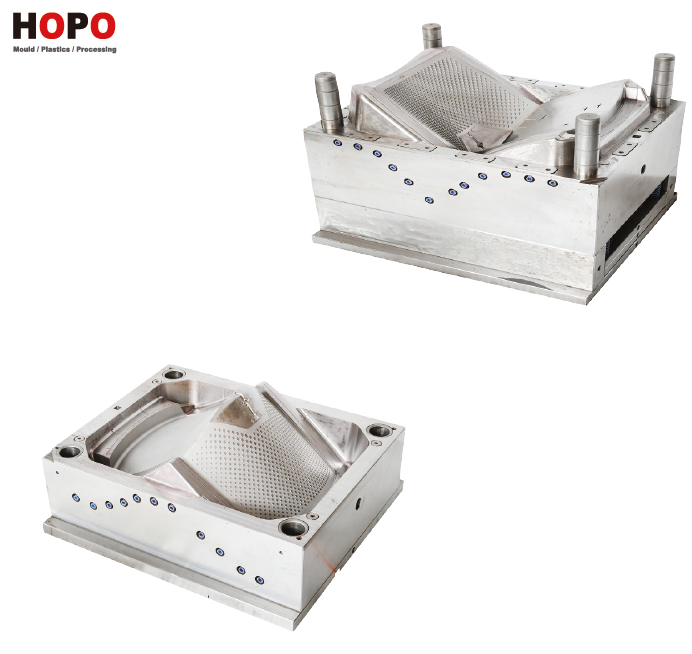
Water dispensers are ubiquitous in kitchens and workplaces, providing convenient access to clean drinking water. But have you ever wondered how these essential appliances are shaped? The answer lies in water dispenser molds, crafted from specific materials to ensure durability, precision, and safety. This article explores the most commonly used materials in water dispenser mold production.
The Champion of Durability Stainless Steel
Stainless steel reigns supreme for its exceptional strength and longevity. It can withstand the high pressures and temperatures involved in the injection molding process used to create many water dispenser components. For water dispenser molds that require frequent use or the production of high volumes of dispensers, stainless steel offers a reliable and cost-effective solution in the long run. Here are some of its key benefits:
Corrosion Resistance: Stainless steel's resistance to rust and corrosion is paramount, especially for parts that come into contact with water. This ensures the mold doesn't contaminate the dispensed water and maintains its structural integrity over time.
High-Temperature Tolerance: The injection molding process involves molten plastic, and stainless steel can endure the high temperatures without warping or degrading.
A Lightweight and Cost-Effective Option Aluminum
Aluminum presents a lighter and more affordable alternative to stainless steel for water dispenser molds. It offers good thermal conductivity, ensuring even heat distribution during molding, and can be machined to achieve intricate designs. However, aluminum is not as robust as stainless steel and may not be suitable for high-volume production or applications requiring exceptional strength. Here's a breakdown of some of its pros and cons:
Machinability: Aluminum's machinability allows for the creation of complex mold shapes with greater ease compared to stainless steel. This can be advantageous for water dispenser molds with intricate details.
Cost-Effectiveness: Compared to stainless steel, aluminum offers a more budget-friendly option, making it a suitable choice for lower-volume production runs or prototyping stages.
Combining Strength and Corrosion Resistance Electroplated Nickel
Electroplated nickel offers an interesting middle ground between stainless steel and aluminum for water dispenser molds. A nickel coating is applied to a base mold material, typically aluminum or steel, enhancing its corrosion resistance and wear properties. This creates a mold that is more resistant to scratches, dents, and chemical corrosion than uncoated aluminum, while remaining lighter and potentially more affordable than solid stainless steel. Here are some of its key characteristics:
Enhanced Durability: The nickel plating provides a layer of protection against wear and tear, extending the mold's lifespan.
Corrosion Protection: Similar to stainless steel, nickel plating offers excellent protection against corrosion, ensuring the mold doesn't contaminate the dispensed water.
A Balance of Needs Choosing the Right Material
The ideal material for a water dispenser mold depends on various factors, including production volume, required durability, budget constraints, and the complexity of the mold design. For high-volume production or applications demanding exceptional strength, stainless steel is the go-to choice. If budget is a primary concern and the mold design is relatively simple, aluminum might be suitable. In situations where a balance between affordability, corrosion resistance, and machinability is desired, electroplated nickel offers an attractive option.
What are the different types of water dispenser molds available?
Water dispensers are a ubiquitous household appliance, providing convenient access to clean, filtered drinking water. But have you ever wondered how these essential dispensers are made? The answer lies in water dispenser molds, the foundation for shaping the plastic components of these devices.
Water dispenser molds come in a variety of types, each suited for specific production needs and the final design of the dispenser. Here, we delve into some of the most common water dispenser mold categories:
Injection Molding for Water Dispenser Parts
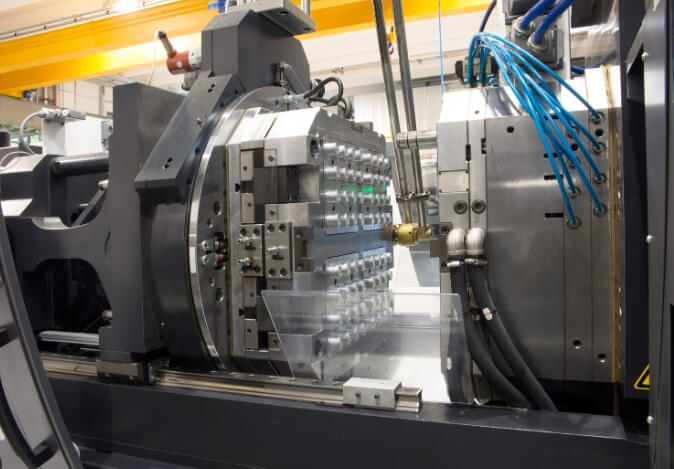
The Workhorse of Production: Injection molding is a popular and versatile technique for creating various water dispenser parts. It involves injecting molten plastic under high pressure into a cavity shaped like the desired component. Once cooled and solidified, the plastic part is ejected, ready for assembly.
Advantages: Injection molding offers several benefits, including:
•Mass Production: This technique excels in high-volume production, making it ideal for manufacturing large quantities of water dispenser parts efficiently.
•Precision and Accuracy: Injection molds can produce complex shapes with high dimensional accuracy, ensuring consistent quality in the final product.
•Material Versatility: A wide range of plastic materials can be used in injection molding, allowing for customization based on factors like durability, heat resistance, and aesthetics.
Applications: Injection molding is commonly used to create various water dispenser components, such as: Dispenser bodies, Faucet levers, Drip trays, Water tanks
Blow Molding for Water Buckets and Reservoirs
Shaping Up Containers: Blow molding is a technique specifically suited for producing hollow plastic parts, like water dispenser buckets and reservoirs. A heated, hollow plastic tube (called a parison) is inflated inside a mold cavity to take on the desired shape.
Advantages: Blow molding offers distinct advantages for water dispenser applications:
•Cost-Effective for Large Containers: This technique is cost-efficient for manufacturing large, hollow components like water dispenser buckets and reservoirs.
•Lightweight Designs: Blow-molded parts are lightweight yet sturdy, making them ideal for water containers that need to be both functional and easy to handle.
•Design Flexibility: Blow molding allows for some design flexibility in terms of size, shape, and even handle integration.
Applications: Blow molding is primarily used to create water dispenser components that hold water, such as: Water dispenser buckets , Reservoirs for filtered water
Compression Molding for Specialized Parts
For Specific Applications: Compression molding is a less common technique for water dispenser molds, but it finds use in specific applications. In this process, heated plastic material is placed in a mold cavity and compressed under high pressure to form the desired shape.
Advantages: Compression molding offers some unique benefits:
•Suitable for Certain Materials: This technique is well-suited for specific types of plastics, like thermoset plastics, that wouldn't be ideal for injection molding.
•Fast Cycle Times: Compression molding can sometimes offer faster cycle times compared to injection molding for simpler parts.
Applications: Compression molding might be used for certain water dispenser parts that require specific material properties or faster production cycles, such as: Dispenser bases, Electrical component housings (using thermoset plastics for insulation)
Choosing the Right Water Dispenser Mold
The selection of the most appropriate water dispenser mold hinges on various factors, including:
Production Volume: For high-volume manufacturing, injection molding is often the preferred choice.
Part Complexity: Injection molding excels at creating intricate shapes, while blow molding is better suited for simpler, hollow parts.
Material Requirements: The type of plastic and its properties will influence the selection of the molding technique.
Cost Considerations: Each molding technique has associated costs, and the choice should balance production efficiency with budget constraints.
Related Articles
 The Top Injection Molding Industry Leader 2026-02-24 0
 2026 Injection Molding Industry Leader 2026-02-24 0
 USA Top Custom Moulding Experts 2026-02-11 0
 2026 Architectural and Decorative Moulding Leaders in USA 2026-02-11 0
 2026 Top Industrial Plastic Injection Moulding Titans 2026-02-02 0
- 2026 Top Moulding Company 2026-02-02 0
- What Is an Aluminum Injection Mold and Why Is It Used 2026-01-19 0
 How Does Aluminum Material Grade Impact Mold Cost 2026-01-19 0
 The Cost of an Aluminum Injection Mold 2026-01-19 0
 What Affects the Cost of an Aluminum Injection Mold 2026-01-19 0
 What Is the Strength of the 7 Most Common Injection Molding Plastics 2026-01-12 0
 How Thick Can You Injection Mold Plastic 2026-01-12 0
 What Are the 7 Steps of PLC 2025-12-16 0
 What Is PLC in Injection Molding 2025-12-16 0
- What Is the Minimum Wall Thickness of the 7 Main Types of Plastic 2025-12-11 0
 Industry Standards or Guidelines for Wall Thickness by Application 2025-12-11 0
 Why Does Plastic Shrink More in Thick Sections in Injection Molding 2025-12-02 0
 The Strongest Plastic for Injection Molding 2025-12-02 0
- Why is Machine Assistance Essential in High-Demand Mould Shops 2025-11-20 0
 Common Defects and Limitations Must Mold Finishers Anticipate with CP 2025-11-20 0
