
Common Plastics Used in Injection Molding
author: CHEN
2025-04-07
What's the Common Plastics Used in Injection Molding?
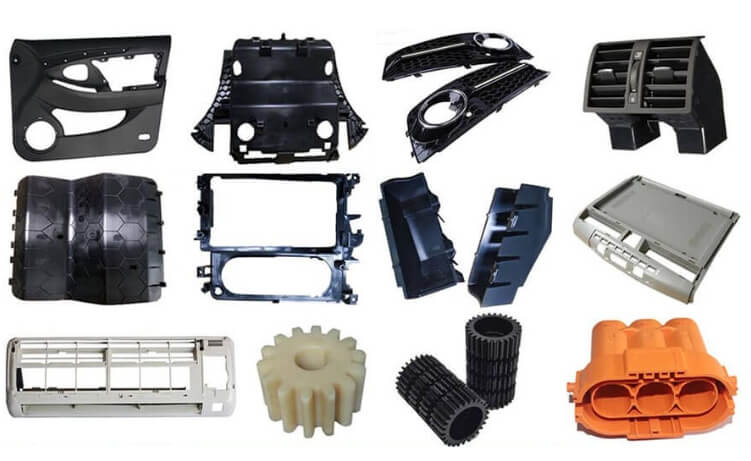
Injection molding stands as one of the fastest and most efficient methods for producing large quantities of identical plastic parts simultaneously. It's the primary technique for manufacturing virtually every consumer plastic product and the most prevalent method in plastic production. Given the diverse applications and industries that rely on plastics, a variety of chemical formulations is necessary to optimize the injection molding process.
HOPO team utilizes a broad spectrum of plastics to manufacture molded products, tailoring our material selection to meet our customers' specific requirements.
Our experienced plastic part designers collaborate with you to refine both new and existing design concepts, ensuring the selection of the ideal material for your application. Whether you need electronic enclosures molded from ABS or pull-out drawer handles made from acetal (POM), our experts are dedicated to providing you with the best possible product crafted from top-quality materials.
Below is a list of some of the plastic materials our specialists use in the injection molding process:
Acrylic (PMMA) for Plastic Injection Molding
Commonly known as Plexiglas, acrylic (PMMA) is a durable, transparent plastic widely used in electronics and automotive components. Due to its exceptional clarity and color adaptability, acrylic is also found in everyday products such as eyewear lenses, acrylic paint, and even artificial nails. It can be customized to appear either translucent or opaque, making it a versatile choice for various applications.
In commercial manufacturing, acrylic is often used alongside other plastics, including polycarbonate, polylactic fibers, nylon, and fiberglass, to enhance product performance.
Advantages of Acrylic:
Exceptional Transparency – One of the clearest plastics available today.
Weather Resistance – Resists moisture and ultraviolet (UV) discoloration.
Chemical Resistance – Unaffected by water, weak acids, and alkaline solutions.
Surface Hardness – Provides good impact strength and rigidity.
Dimensional Stability – Ensures a consistent and predictable final product.
Exceptional Transparency – One of the clearest plastics available today.
Weather Resistance – Resists moisture and ultraviolet (UV) discoloration.
Chemical Resistance – Unaffected by water, weak acids, and alkaline solutions.
Surface Hardness – Provides good impact strength and rigidity.
Dimensional Stability – Ensures a consistent and predictable final product.
Acrylonitrile Butadiene Styrene (ABS) for Plastic Injection Molding
ABS is one of the most widely used plastics in injection molding due to its excellent temperature resistance, stability, and insulating properties. Known for its durability and versatility, ABS is commonly found in plastic toys like LEGO bricks, as well as in electronics, tools, and home repair equipment.
Advantages of ABS:
Impact Resistance – Rubber-like formulations provide exceptional durability against impact.
Surface Hardness – Offers high rigidity in specific formulations.
Chemical Resistance – Unaffected by alkalis, water, and most inorganic acids.
Uniform Shrinkage – Ensures dimensional stability for precise molding.
Wide Temperature Range – Withstands both heat and cold without cracking or shattering.
Machinability – Easy to shape and modify after cooling.
Impact Resistance – Rubber-like formulations provide exceptional durability against impact.
Surface Hardness – Offers high rigidity in specific formulations.
Chemical Resistance – Unaffected by alkalis, water, and most inorganic acids.
Uniform Shrinkage – Ensures dimensional stability for precise molding.
Wide Temperature Range – Withstands both heat and cold without cracking or shattering.
Machinability – Easy to shape and modify after cooling.
High-Density Polyethylene (HDPE) for Plastic Injection Molding
HDPE is a rigid, heat-resistant plastic known for its durability and versatility. As a food-grade plastic, it is widely used in storage containers, kitchenware, and refrigerator shelving. Beyond food-related applications, HDPE is also ideal for packaging chemical-based products such as cleaning agents, laundry detergents, bleach, and shampoo due to its strong resistance to corrosion and chemicals.
Advantages of HDPE:
Sustainable – Made from 100% recyclable material.
Chemical Resistance – Resistant to corrosion, rust, and harsh chemicals.
Heat Resistance – Maintains structural integrity even in high temperatures.
Food Grade – Safe for food packaging and kitchen applications.
Cost-Effective – Can be mass-produced at a low cost.
Sustainable – Made from 100% recyclable material.
Chemical Resistance – Resistant to corrosion, rust, and harsh chemicals.
Heat Resistance – Maintains structural integrity even in high temperatures.
Food Grade – Safe for food packaging and kitchen applications.
Cost-Effective – Can be mass-produced at a low cost.
Nylon (PA) for Plastic Injection Molding
Nylon is a highly versatile material commonly combined with other materials to enhance its properties. With its high melting temperature and low friction characteristics, nylon is widely used in applications such as ropes, reinforced automotive parts, and clothing.
Advantages of Nylon:
Low Friction – Generates minimal heat under friction, making it ideal for moving parts.
Chemical Resistance – Resistant to corrosion from many chemicals.
Abrasion Resistance – Durable for use in textiles and mechanical applications.
Adaptability – Can be combined with other plastic materials for enhanced performance.
Low Friction – Generates minimal heat under friction, making it ideal for moving parts.
Chemical Resistance – Resistant to corrosion from many chemicals.
Abrasion Resistance – Durable for use in textiles and mechanical applications.
Adaptability – Can be combined with other plastic materials for enhanced performance.
Disadvantages of Nylon:
Moisture Absorption – Absorbs water, which can impact dimensional stability and mechanical strength.
UV Sensitivity – Degrades under prolonged exposure to sunlight unless treated with UV stabilizers.
Expensive Compared to Other Plastics – Costs more than polyethylene and polypropylene.
Flammability – Can burn and release toxic fumes under extreme heat.
Moisture Absorption – Absorbs water, which can impact dimensional stability and mechanical strength.
UV Sensitivity – Degrades under prolonged exposure to sunlight unless treated with UV stabilizers.
Expensive Compared to Other Plastics – Costs more than polyethylene and polypropylene.
Flammability – Can burn and release toxic fumes under extreme heat.
Polycarbonate (PC) for Plastic Injection Molding
Polycarbonate is a tough, transparent plastic widely used for applications requiring high impact resistance, such as eyewear lenses, LED light pipes, windows, and sporting equipment.
Advantages of Polycarbonate:
Impact Resistance – Resistant to scratches and dents from impact.
UV Resistance – Doesn’t corrode or discolor under ultraviolet exposure.
Transparency – Can be used for windows, eyewear, and protective covers.
Chemical Resistance – Resistant to many acids and bases.
Rigidity – Provides structural strength for various applications.
Impact Resistance – Resistant to scratches and dents from impact.
UV Resistance – Doesn’t corrode or discolor under ultraviolet exposure.
Transparency – Can be used for windows, eyewear, and protective covers.
Chemical Resistance – Resistant to many acids and bases.
Rigidity – Provides structural strength for various applications.
Disadvantages of Polycarbonate:
Susceptible to Scratches – Requires coatings to improve scratch resistance.
High Cost – More expensive than many other transparent plastics.
Chemical Sensitivity – Can degrade when exposed to strong solvents or alcohol-based cleaners.
Poor Fatigue Resistance – May crack or break under repeated stress over time.
Susceptible to Scratches – Requires coatings to improve scratch resistance.
High Cost – More expensive than many other transparent plastics.
Chemical Sensitivity – Can degrade when exposed to strong solvents or alcohol-based cleaners.
Poor Fatigue Resistance – May crack or break under repeated stress over time.
Polyetherimide (PEI) for Plastic Injection Molding
Also known as Ultem, polyetherimide is an amorphous, high-performance plastic with excellent heat resistance and mechanical strength. It is commonly used in medical devices, electronics, and industrial plastic components.
Advantages of Polyetherimide:
Rigidity – Provides structural integrity for industrial applications.
Heat Resistance – Withstands extreme temperatures without melting or warping.
High Tensile Strength – Resists cracking under harsh environmental conditions.
Flame Resistance – Naturally flame-retardant with low smoke generation.
Rigidity – Provides structural integrity for industrial applications.
Heat Resistance – Withstands extreme temperatures without melting or warping.
High Tensile Strength – Resists cracking under harsh environmental conditions.
Flame Resistance – Naturally flame-retardant with low smoke generation.
Disadvantages of Polyetherimide:
High Cost – More expensive than other engineering plastics.
Brittleness – Susceptible to stress cracking under extreme loads.
Difficult to Process – Requires specialized molding equipment and techniques.
Limited Availability – Not as widely produced as other plastics, making sourcing challenging.
High Cost – More expensive than other engineering plastics.
Brittleness – Susceptible to stress cracking under extreme loads.
Difficult to Process – Requires specialized molding equipment and techniques.
Limited Availability – Not as widely produced as other plastics, making sourcing challenging.
Polyoxymethylene (POM) for Plastic Injection Molding
Also known as Acetal, polyoxymethylene is a semi-crystalline polymer known for its rigidity and naturally glossy surface. It is commonly used in automotive applications, household appliances, and electronics.
Advantages of Polyoxymethylene:
High Rigidity – Maintains structural integrity under stress.
Impact Resistance – Durable and resistant to strong impacts.
Solvent Resistance – Does not corrode or rust from chemicals and solvents.
Glossy Surface – Offers smooth, reflective properties for aesthetic applications.
High Rigidity – Maintains structural integrity under stress.
Impact Resistance – Durable and resistant to strong impacts.
Solvent Resistance – Does not corrode or rust from chemicals and solvents.
Glossy Surface – Offers smooth, reflective properties for aesthetic applications.
Disadvantages of Polyoxymethylene:
Limited Heat Resistance – Softens at higher temperatures.
Brittle in Cold Conditions – Can crack in extremely low temperatures.
Difficult to Bond – Adhesives do not adhere well to its surface.
Flammable – Requires fire retardants for safe use in high-temperature applications.
Limited Heat Resistance – Softens at higher temperatures.
Brittle in Cold Conditions – Can crack in extremely low temperatures.
Difficult to Bond – Adhesives do not adhere well to its surface.
Flammable – Requires fire retardants for safe use in high-temperature applications.
Polypropylene (PP) for Plastic Injection Molding
Polypropylene is a highly flexible, chemical-resistant plastic widely used in food containers, kitchenware, toys, luggage, and even car parts.
Advantages of Polypropylene:
Chemical Resistance – Resistant to acids, bases, and solvents.
Fatigue Resistance – Can bend and flex repeatedly without breaking.
Electrical Insulation – Excellent for use in electronic components.
Elasticity – Can be stretched and flexed without permanent deformation.
Chemical Resistance – Resistant to acids, bases, and solvents.
Fatigue Resistance – Can bend and flex repeatedly without breaking.
Electrical Insulation – Excellent for use in electronic components.
Elasticity – Can be stretched and flexed without permanent deformation.
Disadvantages of Polypropylene:
Poor UV Resistance – Degrades and becomes brittle under prolonged sun exposure.
Flammability – Easily burns unless treated with fire retardants.
Difficult to Bond – Adhesives do not work well on polypropylene surfaces.
Low Temperature Resistance – Becomes brittle in freezing conditions.
Poor UV Resistance – Degrades and becomes brittle under prolonged sun exposure.
Flammability – Easily burns unless treated with fire retardants.
Difficult to Bond – Adhesives do not work well on polypropylene surfaces.
Low Temperature Resistance – Becomes brittle in freezing conditions.
Polystyrene (PS) for Plastic Injection Molding
Polystyrene is a lightweight polymer used in a wide variety of plastic and foam applications, including food containers, disposable cutlery, insulation, and laminate flooring.
Advantages of Polystyrene:
Optical Clarity – Transparent resin allows for see-through applications.
FDA-Approved – Safe for food packaging and consumable materials.
Stability – Rigid material that maintains shape well.
Inexpensive – Cost-effective and easy to mass-produce.
Optical Clarity – Transparent resin allows for see-through applications.
FDA-Approved – Safe for food packaging and consumable materials.
Stability – Rigid material that maintains shape well.
Inexpensive – Cost-effective and easy to mass-produce.
Disadvantages of Polystyrene:
Brittle – Easily cracks or breaks under pressure.
Poor Heat Resistance – Melts at relatively low temperatures.
Environmental Concerns – Not easily biodegradable and contributes to plastic waste.
Low Impact Resistance – Can shatter when dropped or exposed to force.
Brittle – Easily cracks or breaks under pressure.
Poor Heat Resistance – Melts at relatively low temperatures.
Environmental Concerns – Not easily biodegradable and contributes to plastic waste.
Low Impact Resistance – Can shatter when dropped or exposed to force.
Each plastic used in injection molding has unique advantages and drawbacks, making them suitable for specific applications. Understanding these pros and cons helps manufacturers select the best material for their intended use. Whether you need heat-resistant polyetherimide, impact-resistant polycarbonate, or food-safe polypropylene, choosing the right plastic ensures durability, performance, and cost-effectiveness.
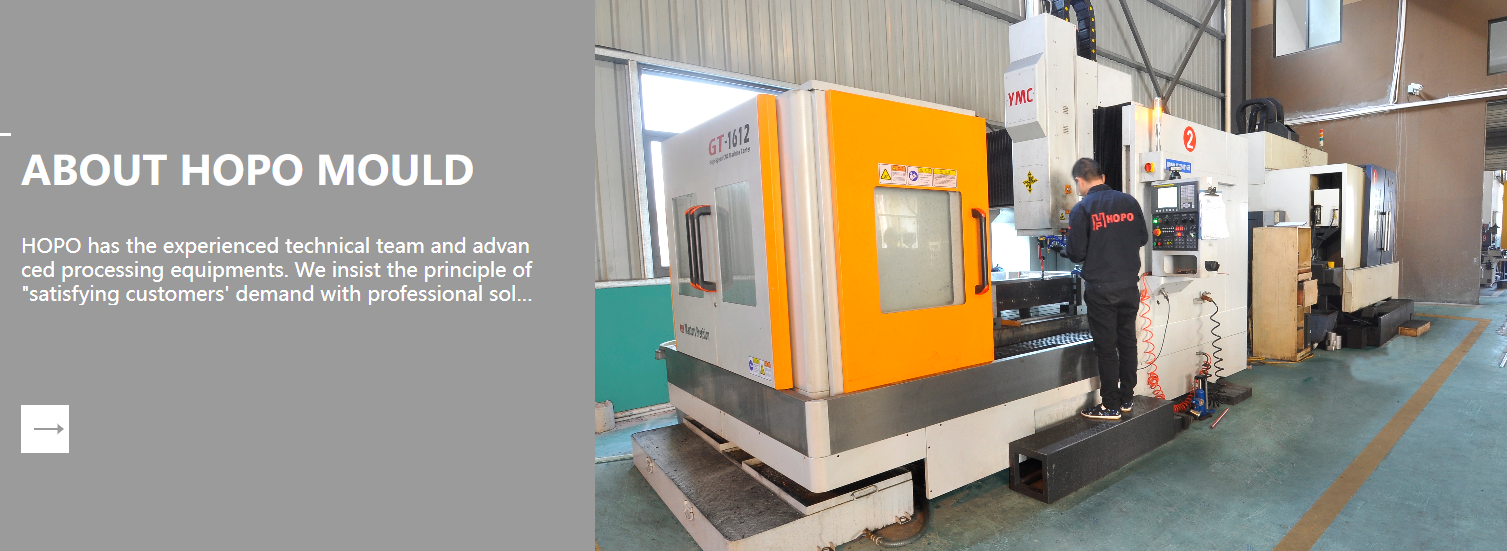
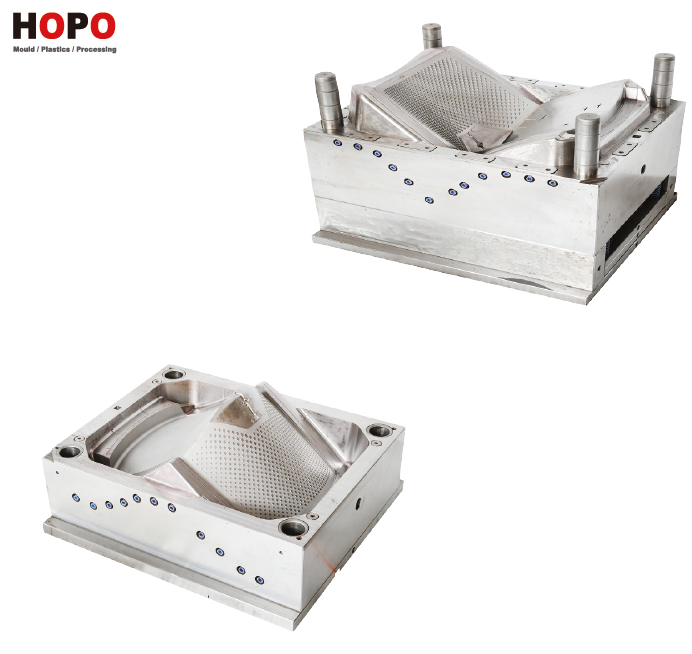
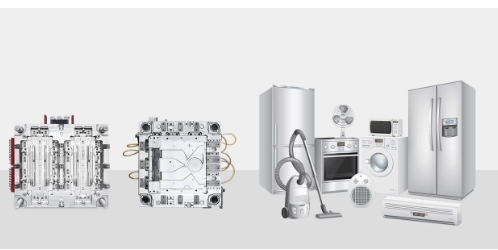
TAIZHOU HOPO MOULD & PLASTIC TECHNOLOGY CO., LTD is a professional plastic injection mould maker and relevant plastic products manufacturer established in 2012. Our Factory is in Zhejiang, China. We enjoy convenient land, water and air transportation, so we could provide short delivery time once the production finished. HOPO offer many kinds of high quality moulds, including daily use commodity moulds, home appliance moulds, automotive moulds, pipe fitting moulds and industrial products moulds, also could directy offer you those relevant plastic parts prodcution.
Related Articles
 The Top Injection Molding Industry Leader 2026-02-24 0
 2026 Injection Molding Industry Leader 2026-02-24 0
 USA Top Custom Moulding Experts 2026-02-11 0
 2026 Architectural and Decorative Moulding Leaders in USA 2026-02-11 0
 2026 Top Industrial Plastic Injection Moulding Titans 2026-02-02 0
- 2026 Top Moulding Company 2026-02-02 0
- What Is an Aluminum Injection Mold and Why Is It Used 2026-01-19 0
 How Does Aluminum Material Grade Impact Mold Cost 2026-01-19 0
 The Cost of an Aluminum Injection Mold 2026-01-19 0
 What Affects the Cost of an Aluminum Injection Mold 2026-01-19 0
 What Is the Strength of the 7 Most Common Injection Molding Plastics 2026-01-12 0
 How Thick Can You Injection Mold Plastic 2026-01-12 0
 What Are the 7 Steps of PLC 2025-12-16 0
 What Is PLC in Injection Molding 2025-12-16 0
- What Is the Minimum Wall Thickness of the 7 Main Types of Plastic 2025-12-11 0
 Industry Standards or Guidelines for Wall Thickness by Application 2025-12-11 0
 Why Does Plastic Shrink More in Thick Sections in Injection Molding 2025-12-02 0
 The Strongest Plastic for Injection Molding 2025-12-02 0
- Why is Machine Assistance Essential in High-Demand Mould Shops 2025-11-20 0
 Common Defects and Limitations Must Mold Finishers Anticipate with CP 2025-11-20 0
