
Cost Efficiency and Performance Considerations in Mold Design
author: HOPO MOULD
2024-12-10
Cost Efficiency and Performance Considerations in Mold Design
When it comes to manufacturing high-quality plastic parts, injection mold design plays a pivotal role. Achieving a balance between cost efficiency and performance is vital for any project. Poor mold design can lead to expensive defects, production delays, and increased costs, while a well-thought-out design ensures reliability and optimal output. Here’s a closer look at the key considerations for creating a cost-effective, high-performing mold.
1. Material Selection and Cost Management
One of the most fundamental decisions in mold design is choosing the right material. The material of the mold itself—commonly steel, aluminum, or other specialty alloys—directly affects production costs and performance. Steel molds, for example, offer exceptional durability and longevity, making them a good fit for high-volume production. Aluminum molds are lighter, easier to machine, and cost-effective for lower production runs but may wear out faster.
Similarly, the type of plastic used for the molded parts influences design choices. Factors like melting temperature, shrinkage rates, and viscosity must align with mold specifications. Choosing cost-effective materials without compromising on product quality ensures better overall performance.
2. Optimizing Mold Design for Cycle Time Reduction
Cycle time—the duration it takes to complete one production cycle—directly impacts cost efficiency. Reducing cycle times allows manufacturers to produce more parts per hour, lowering per-unit costs. Several design features can be implemented to achieve this, such as:
- Efficient Cooling Systems: Strategically placed cooling channels speed up the solidification process without creating temperature imbalances that might cause warping or other defects.
- Uniform Wall Thickness: Designing parts with consistent wall thickness helps avoid issues related to cooling and shrinkage, reducing cycle time and minimizing the risk of defects.
- Gate Location and Size: The location and size of the gate (where molten plastic enters the mold) affect flow, pressure distribution, and cooling times. Proper gate design prevents uneven filling and reduces cycle times.
- Uniform Wall Thickness: Designing parts with consistent wall thickness helps avoid issues related to cooling and shrinkage, reducing cycle time and minimizing the risk of defects.
- Gate Location and Size: The location and size of the gate (where molten plastic enters the mold) affect flow, pressure distribution, and cooling times. Proper gate design prevents uneven filling and reduces cycle times.
3. Maintenance and Durability Considerations
To maximize the cost efficiency of a mold, it must be designed with durability and easy maintenance in mind. Molds that require frequent repairs or adjustments can quickly become a financial burden. To avoid this:
- Use High-Quality Materials and Components: This ensures wear resistance and longevity, even under high pressure and heat conditions.
- Incorporate Standardized Components: Standard components are easier to replace, reducing downtime and maintenance costs compared to custom parts.
- Design for Accessibility: Molds should allow for easy access during maintenance or cleaning, minimizing the time spent offline.
- Incorporate Standardized Components: Standard components are easier to replace, reducing downtime and maintenance costs compared to custom parts.
- Design for Accessibility: Molds should allow for easy access during maintenance or cleaning, minimizing the time spent offline.
4. Reducing Material Waste
Mold design should minimize material usage without compromising on part quality. Efficient designs can reduce waste generated by sprues, runners, or excess material. Techniques such as hot runner systems, which reduce or eliminate the need for runners, help decrease material waste, leading to better cost efficiency.
5. Precision and Dimensional Accuracy
Poorly designed molds can lead to parts that don’t meet tolerance requirements, resulting in waste and rejected parts. Achieving dimensional accuracy requires:
- Proper Mold Alignment: Misaligned molds lead to flash (excess material along parting lines) or out-of-spec parts, increasing scrap rates and costs.
- Consideration for Shrinkage: All plastics shrink to some extent when cooling. Accurate mold design accounts for this behavior to ensure parts fit specifications after cooling.
- Consideration for Shrinkage: All plastics shrink to some extent when cooling. Accurate mold design accounts for this behavior to ensure parts fit specifications after cooling.
6. Tooling Costs vs. Long-Term Savings
The upfront cost of designing and producing a mold can be high, especially for complex designs or molds intended for high-volume production. However, this initial investment often pays off in the long run. Durable, precision-engineered molds reduce cycle times, minimize defects, and extend the lifespan of the tool, leading to substantial long-term savings.
7. Collaboration and Iterative Design
The best results come from collaboration between engineers, mold makers, and clients. Early-stage communication helps align project goals, optimize design for manufacturability, and incorporate cost-saving measures before production begins. Iterative design processes and simulation tools can further fine-tune the mold for maximum performance and cost efficiency.
Designing an injection mold is a complex but crucial task that directly affects the cost and quality of plastic parts production. By carefully considering materials, cycle time, maintenance, waste reduction, and precision, manufacturers can strike a balance between performance and cost efficiency. In the end, a well-designed mold is not just a tool—it’s an investment in a more profitable and reliable production process.
Detailed Examination of Injection Molding Machine Components
Injection Unit Components and Their Roles
- Hopper: The hopper's primary role is to store and feed plastic pellets into the barrel. It often includes a drying system to remove moisture from the pellets, which is crucial to prevent defects like bubbles and voids in the final product. Some advanced hoppers are equipped with sensors to monitor the level of material and automatically refill as needed.
- Barrel: The barrel is equipped with heaters that are carefully controlled to maintain the optimal temperature for melting the plastic. The heaters are divided into zones, each with its temperature control, to ensure uniform melting and prevent degradation of the plastic. The barrel's length-to-diameter ratio is an important factor in the machine's capability to process different materials.
- Screw: The screw design is tailored to the specific plastic being processed and the part being produced. It has three main zones: the feed zone, where the pellets are introduced; the compression zone, where the plastic is melted and compressed; and the metering zone, where the molten plastic is homogenized and prepared for injection. The screw's rotation and axial movement must be precisely controlled to ensure consistent plastic flow.
- Nozzle: The nozzle must be kept at the correct temperature to prevent the plastic from solidifying prematurely. It may include a shut-off valve to control the flow of plastic and prevent drips or stringing when the mold is not being filled. Different nozzle designs, such as straight, tapered, or angled, are used depending on the application.
- Barrel: The barrel is equipped with heaters that are carefully controlled to maintain the optimal temperature for melting the plastic. The heaters are divided into zones, each with its temperature control, to ensure uniform melting and prevent degradation of the plastic. The barrel's length-to-diameter ratio is an important factor in the machine's capability to process different materials.
- Screw: The screw design is tailored to the specific plastic being processed and the part being produced. It has three main zones: the feed zone, where the pellets are introduced; the compression zone, where the plastic is melted and compressed; and the metering zone, where the molten plastic is homogenized and prepared for injection. The screw's rotation and axial movement must be precisely controlled to ensure consistent plastic flow.
- Nozzle: The nozzle must be kept at the correct temperature to prevent the plastic from solidifying prematurely. It may include a shut-off valve to control the flow of plastic and prevent drips or stringing when the mold is not being filled. Different nozzle designs, such as straight, tapered, or angled, are used depending on the application.
Clamping Unit Components and Their Roles
- Fixed Platen: The fixed platen's role is to provide a stable mounting surface for one half of the mold. It must be rigid and precisely aligned to ensure proper mold function. The fixed platen is bolted to the machine's frame and includes features to secure the mold and align it accurately with the movable platen.
- Movable Platen: The movable platen must move smoothly and precisely to open and close the mold. It is connected to the clamping mechanism, which can be hydraulic, electric, or a combination of both. The alignment and rigidity of the movable platen are critical for preventing misalignment and ensuring consistent part quality.
- Tie Bars: Tie bars guide and support the movable platen, ensuring it moves in a straight line and maintains alignment with the fixed platen. The number and size of tie bars are determined by the machine's size and clamping force requirements. Tie bars must be regularly inspected for wear and maintained to prevent mechanical issues.
- Clamp Cylinder: The clamp cylinder provides the force needed to keep the mold closed during injection. In hydraulic systems, the clamp cylinder is powered by a hydraulic pump and motor, while in electric systems, it is driven by an electric servo motor. The clamp cylinder must apply the correct amount of force to prevent flash and ensure complete filling of the mold.
- Movable Platen: The movable platen must move smoothly and precisely to open and close the mold. It is connected to the clamping mechanism, which can be hydraulic, electric, or a combination of both. The alignment and rigidity of the movable platen are critical for preventing misalignment and ensuring consistent part quality.
- Tie Bars: Tie bars guide and support the movable platen, ensuring it moves in a straight line and maintains alignment with the fixed platen. The number and size of tie bars are determined by the machine's size and clamping force requirements. Tie bars must be regularly inspected for wear and maintained to prevent mechanical issues.
- Clamp Cylinder: The clamp cylinder provides the force needed to keep the mold closed during injection. In hydraulic systems, the clamp cylinder is powered by a hydraulic pump and motor, while in electric systems, it is driven by an electric servo motor. The clamp cylinder must apply the correct amount of force to prevent flash and ensure complete filling of the mold.
Mold Components and Their Roles
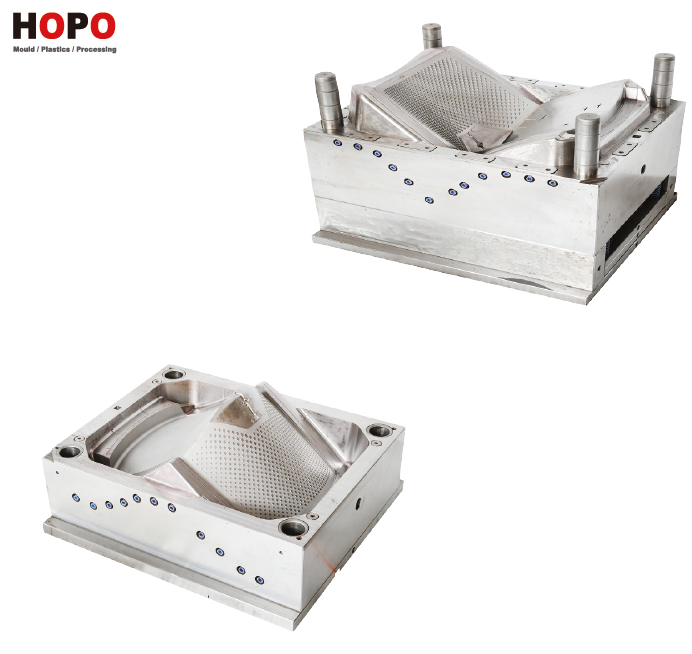
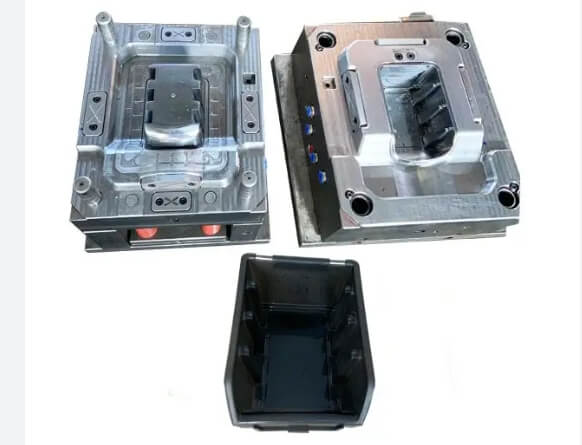
- Mold Cavity: The mold cavity shapes the exterior of the final part. It must be machined to precise dimensions and surface finish requirements. The cavity design includes features such as gates, runners, and cooling channels to ensure efficient filling and cooling of the plastic.
- Core: The core shapes the interior surfaces of the final part. It must fit precisely with the mold cavity to create the complete mold cavity. The core design includes features such as ejector pins and cooling channels to facilitate part removal and cooling.
- Ejector System: The ejector system ensures that the molded part is removed from the mold without damage. Ejector pins push the part out of the mold cavity, while ejector plates and mechanisms control the movement of the pins. The ejector system must be carefully designed to prevent damage to the part and ensure smooth removal.
- Cooling Channels: Cooling channels are integrated into the mold to remove heat from the plastic and solidify it. The design and placement of cooling channels are critical for maintaining consistent part quality and reducing cycle times. Efficient cooling reduces the risk of warping and other defects caused by uneven cooling.
- Core: The core shapes the interior surfaces of the final part. It must fit precisely with the mold cavity to create the complete mold cavity. The core design includes features such as ejector pins and cooling channels to facilitate part removal and cooling.
- Ejector System: The ejector system ensures that the molded part is removed from the mold without damage. Ejector pins push the part out of the mold cavity, while ejector plates and mechanisms control the movement of the pins. The ejector system must be carefully designed to prevent damage to the part and ensure smooth removal.
- Cooling Channels: Cooling channels are integrated into the mold to remove heat from the plastic and solidify it. The design and placement of cooling channels are critical for maintaining consistent part quality and reducing cycle times. Efficient cooling reduces the risk of warping and other defects caused by uneven cooling.
Control System Components and Their Roles
- Control Panel: The control panel provides the interface for setting and monitoring the injection molding process. It includes displays, buttons, and touchscreens for easy operation. Advanced control panels offer features such as recipe storage, data logging, and remote monitoring to enhance productivity and quality control.
- Sensors and Feedback Systems: Sensors monitor parameters such as temperature, pressure, and position throughout the injection molding process. Feedback systems use this data to make real-time adjustments and ensure consistent quality. Common sensors include thermocouples for temperature, pressure transducers for pressure, and linear encoders for position.
- Programmable Logic Controllers (PLCs): PLCs automate the injection molding process, controlling the sequence of operations and ensuring each step is performed correctly. PLCs can be programmed to optimize cycle times, reduce waste, and improve part quality. They provide the flexibility to adapt the process to different materials and part designs.
- Sensors and Feedback Systems: Sensors monitor parameters such as temperature, pressure, and position throughout the injection molding process. Feedback systems use this data to make real-time adjustments and ensure consistent quality. Common sensors include thermocouples for temperature, pressure transducers for pressure, and linear encoders for position.
- Programmable Logic Controllers (PLCs): PLCs automate the injection molding process, controlling the sequence of operations and ensuring each step is performed correctly. PLCs can be programmed to optimize cycle times, reduce waste, and improve part quality. They provide the flexibility to adapt the process to different materials and part designs.
Hydraulic or Electric System Components and Their Roles
- Hydraulic Pumps and Motors: Hydraulic pumps and motors generate the force needed to drive the injection and clamping mechanisms. Hydraulic systems are robust and capable of handling large molds and high clamping forces. Regular maintenance of hydraulic components is essential to prevent leaks and ensure reliable operation.
- Electric Servo Motors: Electric servo motors provide precise control over movements, offering greater energy efficiency and accuracy than hydraulic systems. Servo motors are ideal for applications requiring high precision and repeatability. They are also quieter and require less maintenance than hydraulic systems.
- Electric Servo Motors: Electric servo motors provide precise control over movements, offering greater energy efficiency and accuracy than hydraulic systems. Servo motors are ideal for applications requiring high precision and repeatability. They are also quieter and require less maintenance than hydraulic systems.
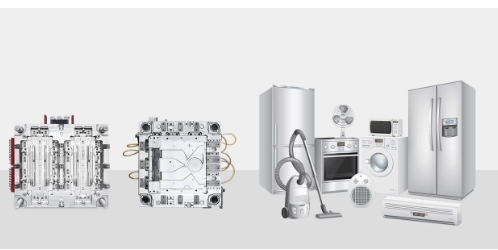
TAIZHOU HOPO MOULD & PLASTIC TECHNOLOGY CO., LTD is a professional plastic injection mould maker and relevant plastic products manufacturer established in 2012. Our Factory is in Zhejiang, China. We enjoy convenient land, water and air transportation, so we could provide short delivery time once the production finished. HOPO offer many kinds of high quality moulds, including daily use commodity moulds, home appliance moulds, automotive moulds, pipe fitting moulds and industrial products moulds, also could directy offer you those relevant plastic parts prodcution.
Related Articles
 The Top Injection Molding Industry Leader 2026-02-24 0
 2026 Injection Molding Industry Leader 2026-02-24 0
 USA Top Custom Moulding Experts 2026-02-11 0
 2026 Architectural and Decorative Moulding Leaders in USA 2026-02-11 0
 2026 Top Industrial Plastic Injection Moulding Titans 2026-02-02 0
- 2026 Top Moulding Company 2026-02-02 0
- What Is an Aluminum Injection Mold and Why Is It Used 2026-01-19 0
 How Does Aluminum Material Grade Impact Mold Cost 2026-01-19 0
 The Cost of an Aluminum Injection Mold 2026-01-19 0
 What Affects the Cost of an Aluminum Injection Mold 2026-01-19 0
 What Is the Strength of the 7 Most Common Injection Molding Plastics 2026-01-12 0
 How Thick Can You Injection Mold Plastic 2026-01-12 0
 What Are the 7 Steps of PLC 2025-12-16 0
 What Is PLC in Injection Molding 2025-12-16 0
- What Is the Minimum Wall Thickness of the 7 Main Types of Plastic 2025-12-11 0
 Industry Standards or Guidelines for Wall Thickness by Application 2025-12-11 0
 Why Does Plastic Shrink More in Thick Sections in Injection Molding 2025-12-02 0
 The Strongest Plastic for Injection Molding 2025-12-02 0
- Why is Machine Assistance Essential in High-Demand Mould Shops 2025-11-20 0
 Common Defects and Limitations Must Mold Finishers Anticipate with CP 2025-11-20 0
