
Everything You Need to Know About Injection Mold Steel Material
author: HOPO MOULD
2025-01-14
Injection molding is one of the most widely used manufacturing processes for producing parts and components across various industries, from automotive to medical devices. However, the success of an injection molding project largely depends on the quality and type of injection mold steel material used. The right choice of steel can significantly impact mold performance, durability, and production efficiency.
Now HOPO wlll take a deeper look at the types of injection mold steels, their benefits, and what factors you should consider when selecting the ideal steel for your project.
What Is Injection Mold Steel?
Injection mold steel refers to high-quality tool steels specifically designed for use in the manufacturing of injection molds. These steels need to withstand extreme temperatures, high pressure, and wear while maintaining precision over extended periods. Depending on the type of material being molded, mold steels are engineered to offer the perfect balance of strength, durability, and thermal resistance.
Mold steels are used to form the cavities and cores of injection molds, and the type of steel you choose influences factors like mold life, part quality, and production speed.
Types of Injection Mold Steels
There are several types of injection mold steel materials commonly used in the industry. Each type has its own set of characteristics and is suited for different applications. Here's a breakdown of the most popular options:
1. P20 Steel: The All-Purpose Choice
P20 steel is one of the most common materials used in injection molding, especially for lower-volume runs or molds that don’t require extreme durability. P20 offers a good balance between cost and performance.
- Pros:
- Easy to machine and process
- Cost-effective compared to premium steels
- Suitable for low to medium-volume production
- Good for plastics with moderate temperatures
- Cons:
- Lower wear resistance
- Not ideal for high-temperature applications or large-volume production
Best For: General purpose molds for plastics, low to medium-volume productions.
2. H13 Steel: The High-Performance Steel
H13 steel is a hot work tool steel that is often used for high-performance injection molds. It offers exceptional resistance to heat, wear, and thermal fatigue, making it ideal for high-volume production runs.
- Pros:
- Excellent heat resistance and thermal fatigue resistance
- Tough and durable for high-volume molding
- Can withstand abrasive materials
- Resists cracking in extreme temperatures
- Cons:
- Higher cost than P20
- Requires specialized machining
Best For: High-volume production, molds exposed to high temperatures, or materials like rubber or metal.
3. S7 Steel: Shock-Resistant and Durable
S7 steel is known for its shock resistance, making it a solid choice for molds subjected to sudden changes in temperature or high-impact materials. This material is tough and durable, providing a long-lasting mold life.
- Pros:
- Excellent shock resistance and toughness
- High resistance to impact and sudden temperature changes
- Good for molds requiring heavy-duty performance
- Cons:
- Not as resistant to wear as other steels (like H13)
- More expensive than P20
Best For: Molds for heavy-duty applications, such as automotive parts or high-impact plastics.
4. 420 Stainless Steel: Corrosion Resistance
420 stainless steel is widely used when corrosion resistance is critical. It’s commonly found in industries where the mold must be maintained in a sterile environment, like in medical or food-related production.
- Pros:
- Exceptional corrosion resistance
- Ideal for medical or food-grade molds
- Good polishability for smooth surfaces
- Cons:
- Lower heat resistance than other steels like H13
- Not as durable in high-stress applications
Best For: Medical devices, food processing equipment, and any application where mold cleanliness and corrosion resistance are crucial.
5. H11 Steel: High-Temperature Performance
Similar to H13, H11 steel is designed to withstand high temperatures. It is particularly useful in molds that are exposed to extreme heat and where high strength is necessary.
- Pros:
- High heat resistance and thermal fatigue resistance
- Excellent for high-temperature applications
- Good for high-pressure molding processes
- Cons:
- More expensive than other options
- Requires specialized treatment and care during machining
Best For: High-heat applications, such as molding for high-performance plastics and metal parts.
Key Factors to Consider When Choosing Injection Mold Steel
Choosing the right steel for your injection mold is not a decision to be taken lightly. It impacts not only the initial cost but also the longevity, maintenance, and overall quality of the produced parts. Here are some key factors to keep in mind:
1. Production Volume
- For low to medium-volume production, P20 or similar steels are generally sufficient.
- For high-volume production, you’ll want to opt for more durable and heat-resistant steels like H13 or S7, which can handle the stresses of continuous use.
2. Material Type
- If you're molding plastics, P20 or H13 might be ideal choices.
- For rubber, S7 steel may be the best option due to its shock resistance.
- Medical and food-grade molds benefit from corrosion-resistant steels like 420 stainless steel.
3. Machining and Maintenance
- Some steels are easier to machine, like P20, which makes them ideal for quicker lead times and simpler molds.
- Premium steels like H13 or S7 can be more challenging to machine but provide superior performance and mold life.
4. Cost Considerations
- While higher-quality steels like H13 and S7 offer enhanced durability, they come with a higher initial cost. If your production run is not large, choosing a less expensive steel like P20 can provide savings.
How to Improve Mold Life with Steel Quality
Mold life is essential for reducing overall costs. With the right choice of steel, you can extend the lifespan of your molds and reduce the frequency of maintenance and replacement. Choosing steel with high wear resistance, thermal fatigue resistance, and corrosion resistance can minimize mold wear over time.
Maintenance Tips for Injection Mold Steel
Proper maintenance is crucial to getting the most out of your steel molds. Here are a few tips:
1. Keep molds free of residue and contaminants that can degrade the material.
2. Store molds in a dry, controlled environment to avoid corrosion.
3. Check for any signs of wear, cracks, or stress that could indicate the need for repair or replacement.
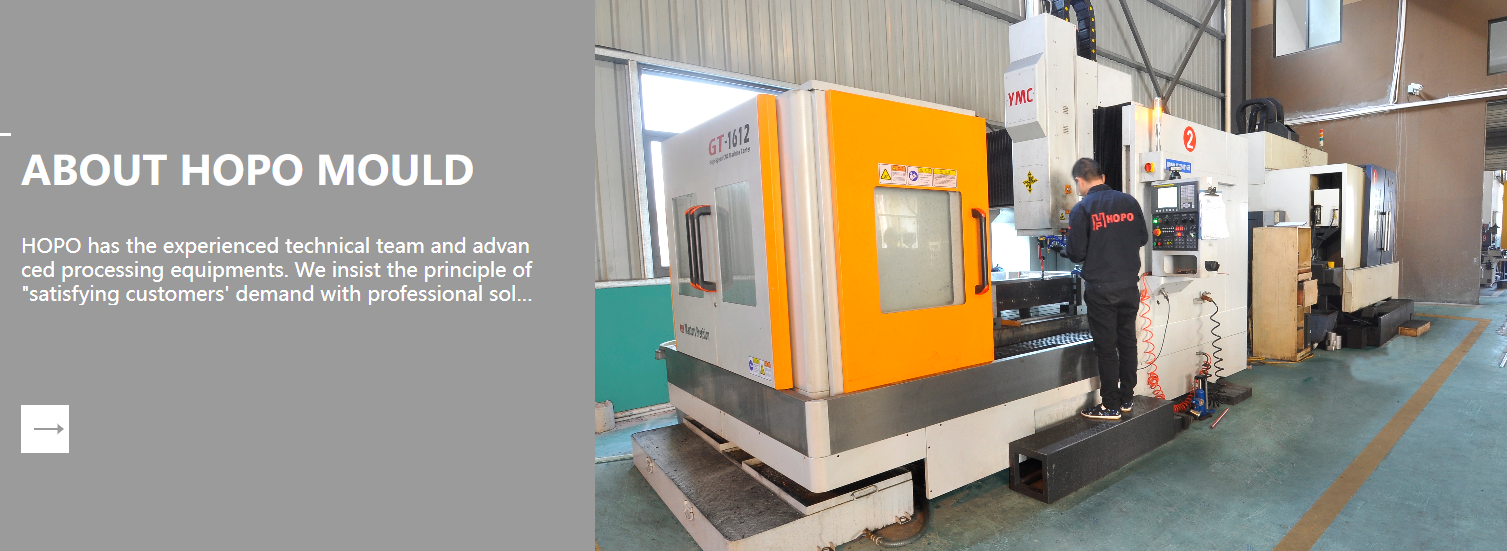
TAIZHOU HOPO MOULD & PLASTIC TECHNOLOGY CO., LTD is a professional plastic injection mould maker and relevant plastic products manufacturer established in 2012. Our Factory is in Zhejiang, China. We enjoy convenient land, water and air transportation, so we could provide short delivery time once the production finished. HOPO offer many kinds of high quality moulds, including daily use commodity moulds, home appliance moulds, automotive moulds, pipe fitting moulds and industrial products moulds, also could directy offer you those relevant plastic parts prodcution.
Related Articles
 The Top Injection Molding Industry Leader 2026-02-24 0
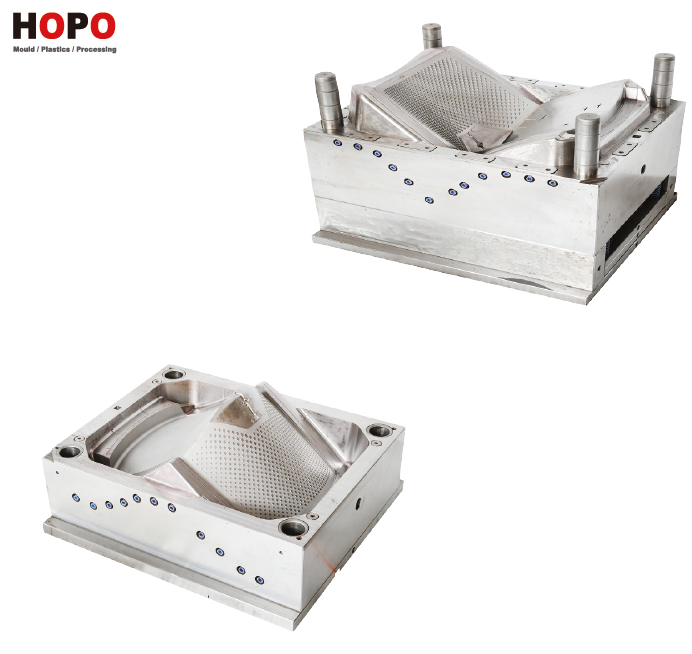 2026 Injection Molding Industry Leader 2026-02-24 0
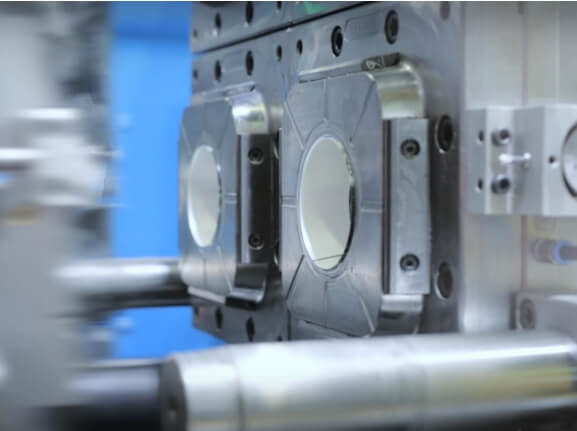 USA Top Custom Moulding Experts 2026-02-11 0
 2026 Architectural and Decorative Moulding Leaders in USA 2026-02-11 0
 2026 Top Industrial Plastic Injection Moulding Titans 2026-02-02 0
- 2026 Top Moulding Company 2026-02-02 0
- What Is an Aluminum Injection Mold and Why Is It Used 2026-01-19 0
 How Does Aluminum Material Grade Impact Mold Cost 2026-01-19 0
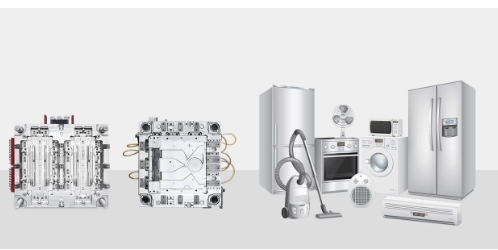 The Cost of an Aluminum Injection Mold 2026-01-19 0
 What Affects the Cost of an Aluminum Injection Mold 2026-01-19 0
 What Is the Strength of the 7 Most Common Injection Molding Plastics 2026-01-12 0
 How Thick Can You Injection Mold Plastic 2026-01-12 0
 What Are the 7 Steps of PLC 2025-12-16 0
 What Is PLC in Injection Molding 2025-12-16 0
- What Is the Minimum Wall Thickness of the 7 Main Types of Plastic 2025-12-11 0
 Industry Standards or Guidelines for Wall Thickness by Application 2025-12-11 0
 Why Does Plastic Shrink More in Thick Sections in Injection Molding 2025-12-02 0
 The Strongest Plastic for Injection Molding 2025-12-02 0
- Why is Machine Assistance Essential in High-Demand Mould Shops 2025-11-20 0
 Common Defects and Limitations Must Mold Finishers Anticipate with CP 2025-11-20 0
