
How Does Steel Injection Molding Work?
author: CHEN
2025-02-25
For manufacturing, steel injection molding has emerged as a game-changing technology. It combines the precision of plastic injection molding with the durability and strength of steel, making it ideal for producing complex and high-performance components. Whether you're a business owner, an engineer, or someone simply curious about modern manufacturing techniques, understanding how steel injection molding works can open doors to endless possibilities for your production needs.

What is Steel Injection Molding?
Steel injection molding (SIM) is a process used to create intricate steel parts by injecting a mix of steel powder and binder into a mold under high pressure. Once the material solidifies, the binder is removed, and the part is sintered (heated) to form a fully dense, durable metal component.
SIM is often used when you need parts that are not only precise but also lightweight yet strong. It’s particularly beneficial when the required parts have complex shapes that would otherwise be expensive or difficult to manufacture using traditional methods like casting or machining.
How Does Steel Injection Molding Work?
At its core, steel injection molding combines the best aspects of plastic injection molding and metal forming processes. Here’s a simple breakdown:
1.The steel is first ground into a fine powder and mixed with a binder to create a moldable material. This is the starting point for most SIM processes.
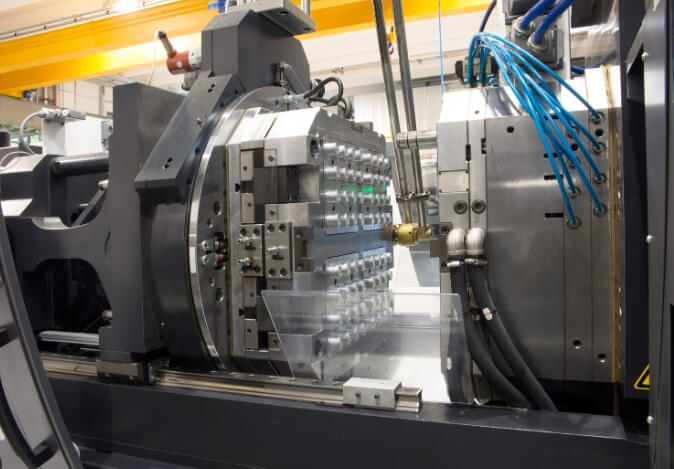
2. The steel-binder mixture is injected into a steel mold using a high-pressure injection machine. The molten material fills the cavity of the mold to take the desired shape.
2. The steel-binder mixture is injected into a steel mold using a high-pressure injection machine. The molten material fills the cavity of the mold to take the desired shape.
3. Once the part is formed, the binder is removed (debinding), and the part is then sintered—heated in a furnace until the particles of steel fuse together into a solid, durable part.
4. After sintering, the part is usually subjected to post-processing like machining or surface treatments to refine the final product.
What's the Benefits of Steel Injection Molding?
Steel injection molding has transformed industries by offering several distinct advantages:
1. This process allows manufacturers to create highly detailed and intricate components with very tight tolerances—perfect for applications requiring fine detail, like aerospace and medical devices.
2. Unlike traditional methods, which can generate significant waste (like cutting away excess material), SIM minimizes material waste. The powder mixture is highly efficient, and any unused material can be recycled.
3. Because SIM combines molding with the benefits of high automation, it can be faster and more efficient than traditional metal manufacturing methods, like die-casting or forging.
2. Unlike traditional methods, which can generate significant waste (like cutting away excess material), SIM minimizes material waste. The powder mixture is highly efficient, and any unused material can be recycled.
3. Because SIM combines molding with the benefits of high automation, it can be faster and more efficient than traditional metal manufacturing methods, like die-casting or forging.
4. Although the upfront investment in equipment can be significant, the cost per part is relatively low when producing large quantities. For high-volume production, SIM is highly cost-efficient.
What's the Applications of Steel Injection Molding?
Steel injection molding is incredibly versatile and can be used across various industries. Here are a few examples where this technology shines:
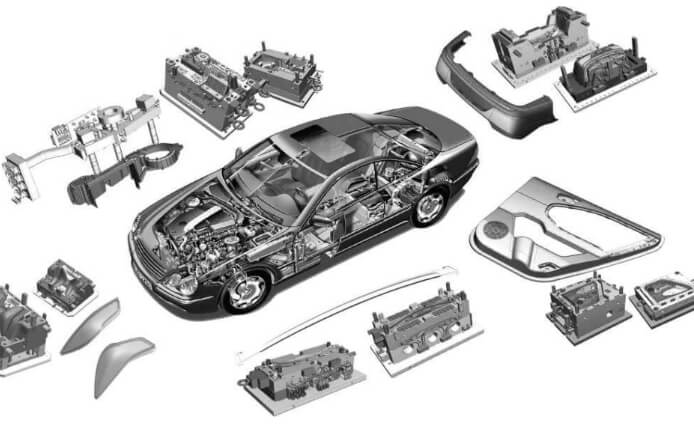
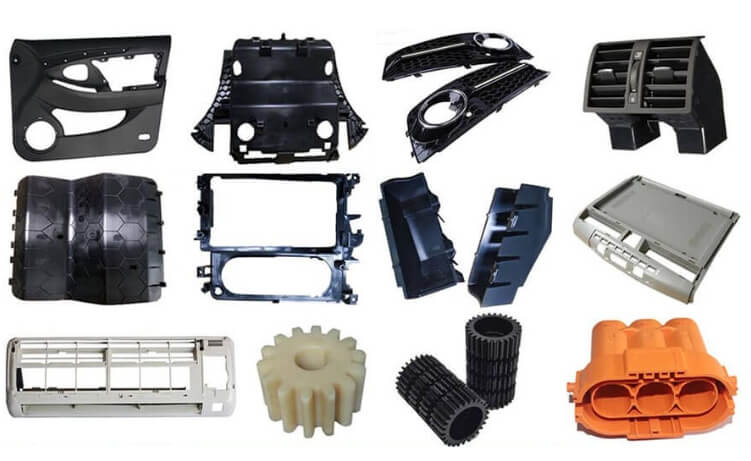
1. Complex engine components, gears, brackets, and housings for automotive applications.
2. Lightweight but strong parts for aircraft, such as turbine blades and fasteners.
3. Intricate surgical instruments, implants, and devices that require high precision.
4. Small, complex parts like connectors and casings for electronic devices.
The ability to create high-performance parts that are both lightweight and durable has made SIM a go-to solution in these fields.
2. Lightweight but strong parts for aircraft, such as turbine blades and fasteners.
3. Intricate surgical instruments, implants, and devices that require high precision.
4. Small, complex parts like connectors and casings for electronic devices.
The ability to create high-performance parts that are both lightweight and durable has made SIM a go-to solution in these fields.
Steel Injection Molding vs. Traditional Manufacturing Methods
Steel injection molding offers several advantages over traditional methods such as casting and forging:
- Precision: Unlike casting, which may require post-processing to smooth out rough edges or fix inconsistencies, SIM allows for near-net shape production with very little need for post-processing.
- Faster Production: Unlike forging, which can take time to heat and shape large pieces of steel, SIM can quickly produce small to medium-sized parts, reducing lead times and increasing efficiency.
- Faster Production: Unlike forging, which can take time to heat and shape large pieces of steel, SIM can quickly produce small to medium-sized parts, reducing lead times and increasing efficiency.
- Cost-Effective for Complex Shapes: While casting is great for large, simple shapes, SIM is particularly effective for parts with complex geometries that would require expensive molds or tooling in other methods.
Choosing the Right Steel for Injection Molding
Selecting the right type of steel for SIM is essential for producing durable and high-quality parts. The choice depends on the application and the required properties of the final product.
- Carbon Steel: Ideal for parts that need strength but don’t require corrosion resistance.
- Stainless Steel: Best for parts that need to withstand harsh environments, such as medical devices and automotive applications, thanks to its resistance to corrosion.
- Alloy Steels: Used when additional properties such as wear resistance or hardness are needed in specific parts.
- Stainless Steel: Best for parts that need to withstand harsh environments, such as medical devices and automotive applications, thanks to its resistance to corrosion.
- Alloy Steels: Used when additional properties such as wear resistance or hardness are needed in specific parts.
The steel selection will depend on the functional requirements of your parts and the conditions they’ll be exposed to in their intended applications.
Common Challenges in Steel Injection Molding
Despite its many advantages, steel injection molding comes with a few challenges that manufacturers need to consider:
1. The equipment needed for SIM, including molds and injection machines, can be expensive, especially for low-volume production.
2. Ensuring the steel powder mixture has consistent properties is vital for achieving uniform results across batches.
2. Ensuring the steel powder mixture has consistent properties is vital for achieving uniform results across batches.
3. Although SIM can produce highly complex parts, designing them for efficient molding can be tricky, and certain geometries may still pose difficulties in achieving the desired finish.
The Future of Steel Injection Molding
Steel injection molding is continuously evolving, with several advancements on the horizon. Some key trends include:
- Increased Automation: With the rise of smart manufacturing and Industry 4.0, SIM processes are becoming more automated, reducing labor costs and increasing consistency.
- Material Innovation: New alloys and steel blends are being developed to meet the demands of ever-more specialized applications, from high temperatures to extreme pressures.
- Sustainability: As environmental concerns grow, more sustainable practices, such as recycling used steel powder, are being integrated into SIM operations.
Steel injection molding is a powerful manufacturing process that combines precision, cost-efficiency, and durability. Whether you’re in the automotive, aerospace, medical, or electronics industry, SIM can provide you with the high-performance components you need. By understanding the basics of how it works, its benefits, and the best materials to use, you can harness this technology to produce complex, high-quality parts for your business.

If you’re considering steel injection molding for your next project, be sure to explore the options carefully and choose the right supplier who can meet your specific requirements. With its growing role in modern manufacturing, steel injection molding is poised to be a key player in the future of industrial production.
Related Articles
 The Top Injection Molding Industry Leader 2026-02-24 0
 2026 Injection Molding Industry Leader 2026-02-24 0
 USA Top Custom Moulding Experts 2026-02-11 0
 2026 Architectural and Decorative Moulding Leaders in USA 2026-02-11 0
 2026 Top Industrial Plastic Injection Moulding Titans 2026-02-02 0
- 2026 Top Moulding Company 2026-02-02 0
- What Is an Aluminum Injection Mold and Why Is It Used 2026-01-19 0
 How Does Aluminum Material Grade Impact Mold Cost 2026-01-19 0
 The Cost of an Aluminum Injection Mold 2026-01-19 0
 What Affects the Cost of an Aluminum Injection Mold 2026-01-19 0
 What Is the Strength of the 7 Most Common Injection Molding Plastics 2026-01-12 0
 How Thick Can You Injection Mold Plastic 2026-01-12 0
 What Are the 7 Steps of PLC 2025-12-16 0
 What Is PLC in Injection Molding 2025-12-16 0
- What Is the Minimum Wall Thickness of the 7 Main Types of Plastic 2025-12-11 0
 Industry Standards or Guidelines for Wall Thickness by Application 2025-12-11 0
 Why Does Plastic Shrink More in Thick Sections in Injection Molding 2025-12-02 0
 The Strongest Plastic for Injection Molding 2025-12-02 0
- Why is Machine Assistance Essential in High-Demand Mould Shops 2025-11-20 0
 Common Defects and Limitations Must Mold Finishers Anticipate with CP 2025-11-20 0
