
How Plastic Injection Molding Works
author: CHEN
2025-03-10
Plastic injection molding is the backbone of modern manufacturing, enabling the mass production of durable, high-precision plastic parts.
From automotive components to medical devices, this process is valued for its efficiency, accuracy, and cost-effectiveness.
For mold manufacturers looking to scale production while maintaining quality, understanding how plastic injection molding works is crucial.
Step-by-Step Breakdown of the Injection Molding Process
Mold Design and Tooling – Laying the Foundation
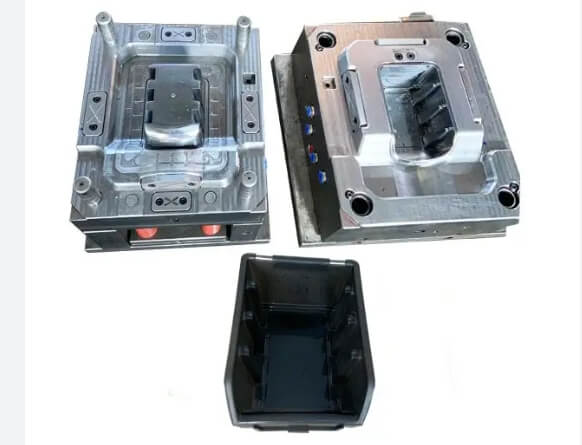
The mold is the heart of the injection molding process. It determines the shape, accuracy, and surface quality of the final product. Designing a high-quality mold involves:
- 3D CAD modeling to create precise blueprints
- Material selection for the mold, typically hardened steel or aluminum
- Precision machining to ensure every detail of the mold is flawless
A well-designed mold reduces production defects and increases the lifespan of the tool, making it a key investment for manufacturers.
Selecting the Right Plastic Material
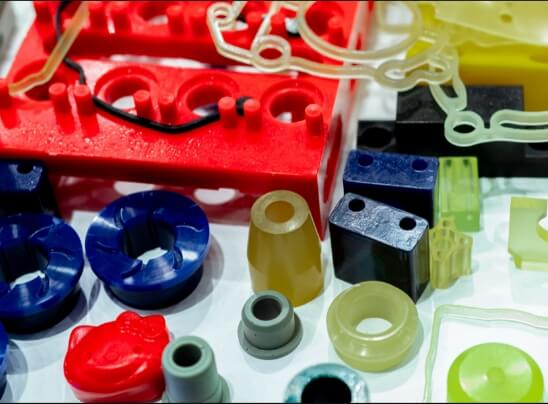
The choice of plastic affects the strength, flexibility, and heat resistance of the final product. Here are some commonly used plastics in injection molding:
- ABS (Acrylonitrile Butadiene Styrene): Strong and impact-resistant, used in automotive and consumer goods
- Polypropylene (PP): Lightweight and flexible, ideal for packaging and household products
- Polycarbonate (PC): High strength and transparency, used in medical and electronic applications
- Nylon: Wear-resistant and tough, great for gears and mechanical components
Choosing the right material is a balance between performance, cost, and production efficiency.
Melting and Injecting the Plastic into the Mold
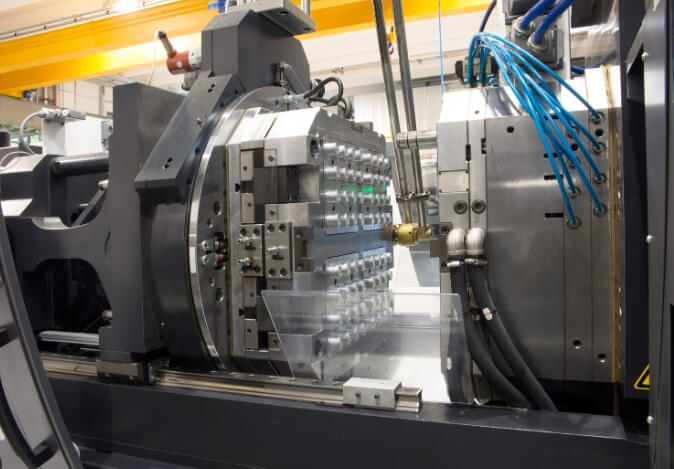
Once the material is selected, plastic pellets are melted and injected into the mold at high pressure. The process works as follows:
1. The plastic is heated until it reaches a liquid state
2. A high-pressure system injects the molten plastic into the mold cavity
3. The plastic fills every detail of the mold before cooling and solidifying
The right combination of temperature, pressure, and injection speed is essential to prevent defects like air bubbles, warping, or incomplete fills.
Cooling and Hardening the Plastic Part
As soon as the molten plastic fills the mold, it begins to cool and solidify. This stage is critical because uneven cooling can cause warping or shrinkage. To ensure quality:
- Cooling channels are built into the mold to regulate temperature
- The mold is designed with shrinkage compensation in mind
- Cycle times are optimized to balance speed and product quality
The cooling process directly affects production efficiency. Faster cooling speeds up manufacturing, but too fast can lead to product defects.
Ejecting and Finishing the Product
Once the plastic has hardened, the part is removed from the mold using an ejection system. Depending on the final application, additional steps may be needed, such as:
- Trimming excess plastic (flash removal)
- Surface treatment (painting, texturing, or polishing)
- Assembly and packaging for shipment
A well-planned post-production process ensures that each part meets functional and aesthetic standards before it reaches the customer.
Factors That Affect Production Efficiency and Costs
How to Optimize Production Speed
Manufacturers aim to reduce cycle time while maintaining high quality. Efficiency improvements include:
- Using high-performance cooling systems
- Adjusting injection speed and pressure for each material
- Selecting fast-curing plastics to speed up production
Optimized cycle times mean lower production costs per unit and increased manufacturing capacity.
Material Costs and Selection
Different plastics come with different costs, affecting the total production expense. Here is a comparison of common plastics used in injection molding:
|
Material
|
Strength
|
Flexibility
|
Heat Resistance
|
Cost per kg
|
|
ABS
|
High
|
Medium
|
Moderate
|
$2.50 - $4.00
|
|
Polypropylene (PP)
|
Medium
|
High
|
Moderate
|
$1.80 - $3.00
|
|
Polycarbonate (PC)
|
Very High
|
Low
|
High
|
$3.50 - $6.00
|
|
Nylon
|
High
|
Medium
|
High
|
$4.00 - $7.00
|
Choosing the right material is a balance between performance needs and budget constraints.
Common Defects and How to Prevent Them
Even with precise molding, some defects can occur. Here are the most common problems and how to avoid them:
|
Defect
|
Cause
|
Solution
|
|
Warping
|
Uneven cooling
|
Optimize cooling channels
|
|
Air Bubbles
|
Trapped gas
|
Adjust injection pressure and venting
|
|
Flashing
|
Excess plastic overflow
|
Improve mold clamping and design
|
|
Sink Marks
|
Insufficient cooling
|
Extend cooling time and increase pressure
|
Manufacturers must fine-tune their process to minimize defects and ensure consistent product quality.
Industries That Rely on Plastic Injection Molding
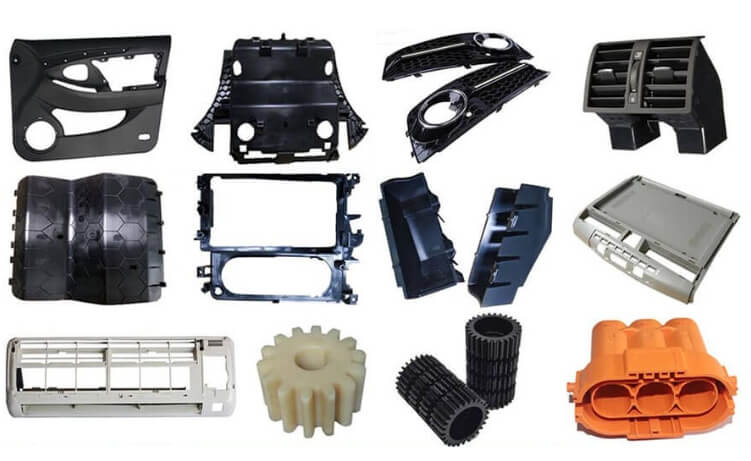
Plastic injection molding is widely used across multiple industries due to its versatility and efficiency.
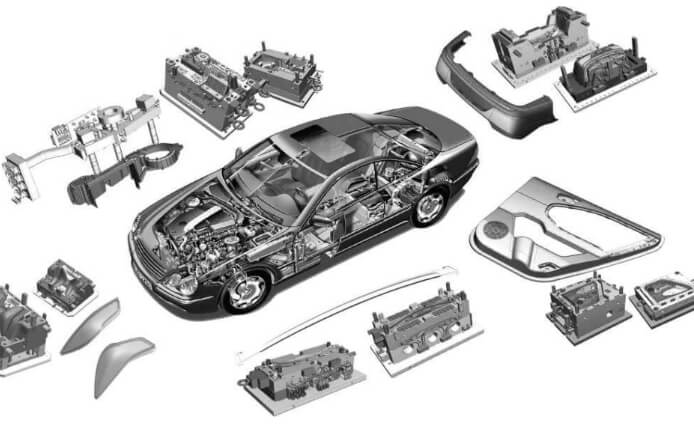
Automotive: Dashboards, bumpers, and interior trims
Medical: Syringes, surgical tools, and diagnostic equipment
Electronics: Phone casings, circuit board housings, and connectors
Packaging: Food containers, bottle caps, and cosmetic cases
Each industry has unique material and compliance requirements, making expertise in material selection and mold design crucial.
Choosing the Right Injection Molding Manufacturer
Not all manufacturers offer the same level of quality and service. When selecting a supplier, consider:
- Experience in your industry – Have they worked with similar products?
- Material expertise – Do they offer a range of plastics to meet your needs?
- Production capacity – Can they handle large-scale orders efficiently?
- Quality assurance – Do they have ISO certifications and rigorous quality checks?
A manufacturer with proven expertise and a strong track record will help reduce risks and ensure consistent production quality.
As technology advances, injection molding continues to evolve. Key trends shaping the future include:
- Sustainable materials – Biodegradable and recycled plastics are gaining traction
- Automation and AI – Smart manufacturing is increasing efficiency and reducing costs
- 3D printing integration – Used for prototyping before mass production
Companies that adopt these innovations will stay ahead in an increasingly competitive industry.
Why a Reliable Manufacturing Partner Matters
Plastic injection molding is a highly efficient and cost-effective way to mass-produce plastic parts. However, the success of your project depends on selecting the right manufacturer.
A good supplier will offer:
✔ Expert mold design for defect-free production
✔ High-quality materials suited for your application
✔ Optimized production processes to reduce costs and lead time
✔ Strong quality control to ensure reliability
If you are looking for a trusted injection molding manufacturer, reach out today for a consultation or quote. A reliable partner can help turn your design into a high-quality finished product at scale.
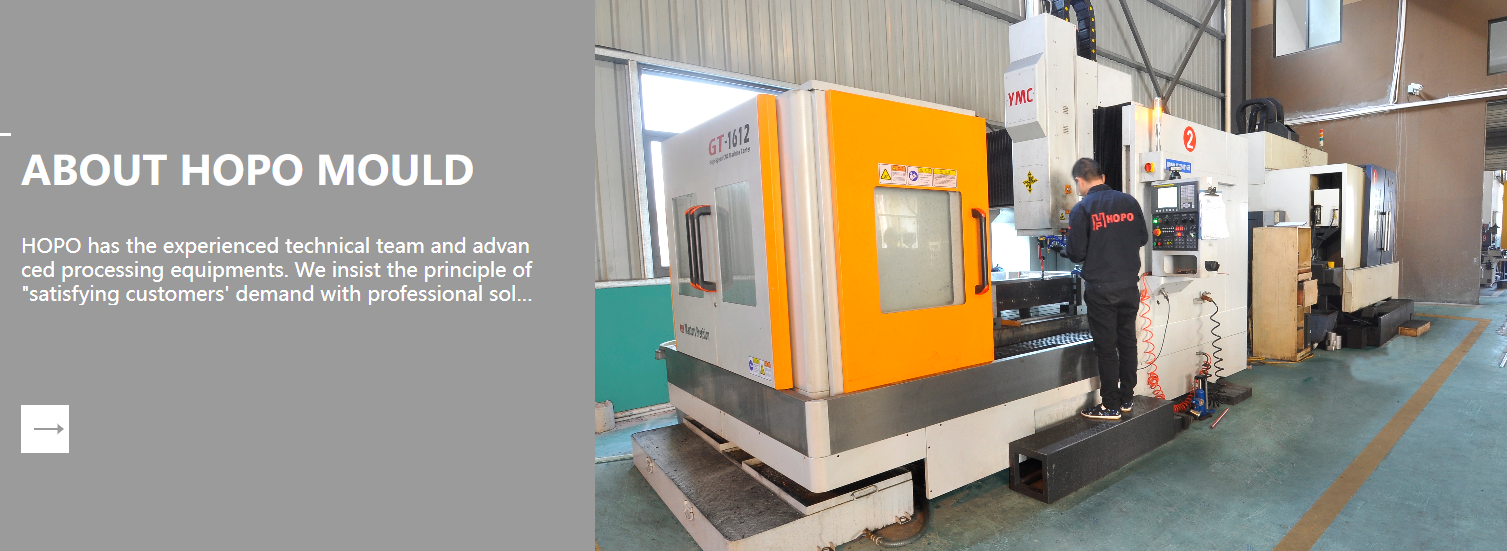
TAIZHOU HOPO MOULD & PLASTIC TECHNOLOGY CO., LTD is a professional plastic injection mould maker and relevant plastic products manufacturer established in 2012. Our Factory is in Zhejiang, China. We enjoy convenient land, water and air transportation, so we could provide short delivery time once the production finished. HOPO offer many kinds of high quality moulds, including daily use commodity moulds, home appliance moulds, automotive moulds, pipe fitting moulds and industrial products moulds, also could directy offer you those relevant plastic parts prodcution.
Related Articles
 The Top Injection Molding Industry Leader 2026-02-24 0
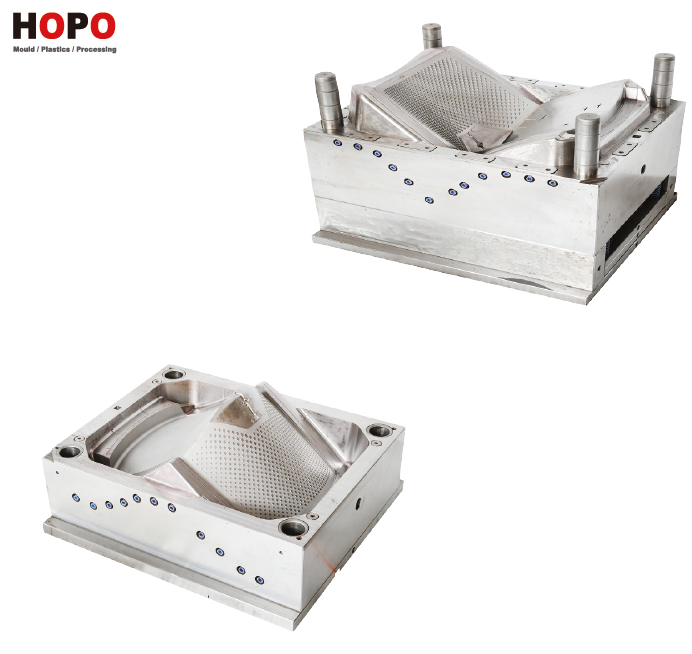 2026 Injection Molding Industry Leader 2026-02-24 0
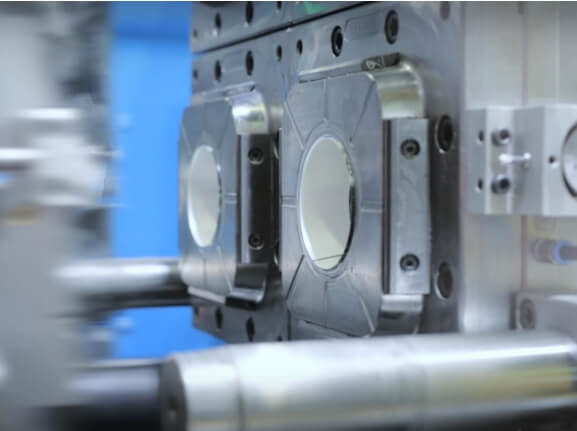 USA Top Custom Moulding Experts 2026-02-11 0
 2026 Architectural and Decorative Moulding Leaders in USA 2026-02-11 0
 2026 Top Industrial Plastic Injection Moulding Titans 2026-02-02 0
- 2026 Top Moulding Company 2026-02-02 0
- What Is an Aluminum Injection Mold and Why Is It Used 2026-01-19 0
 How Does Aluminum Material Grade Impact Mold Cost 2026-01-19 0
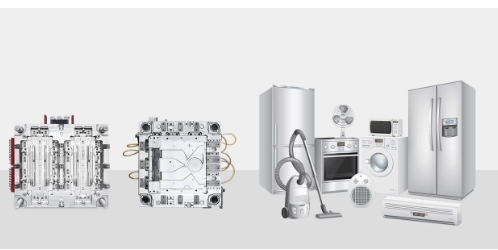 The Cost of an Aluminum Injection Mold 2026-01-19 0
 What Affects the Cost of an Aluminum Injection Mold 2026-01-19 0
 What Is the Strength of the 7 Most Common Injection Molding Plastics 2026-01-12 0
 How Thick Can You Injection Mold Plastic 2026-01-12 0
 What Are the 7 Steps of PLC 2025-12-16 0
 What Is PLC in Injection Molding 2025-12-16 0
- What Is the Minimum Wall Thickness of the 7 Main Types of Plastic 2025-12-11 0
 Industry Standards or Guidelines for Wall Thickness by Application 2025-12-11 0
 Why Does Plastic Shrink More in Thick Sections in Injection Molding 2025-12-02 0
 The Strongest Plastic for Injection Molding 2025-12-02 0
- Why is Machine Assistance Essential in High-Demand Mould Shops 2025-11-20 0
 Common Defects and Limitations Must Mold Finishers Anticipate with CP 2025-11-20 0
