
How to Clean Injection Molds
author: CHEN
2025-05-12
How to Clean Injection Molds Maintenance Tips for Manufacturers
In the high-precision world of injection molding, mold cleanliness isn’t optional—it’s essential. Clean molds directly impact part quality, reduce production downtime, and extend tool life. For manufacturers, understanding how to clean injection molds effectively is a crucial part of a well-oiled production line.
This article walks you through why mold cleaning matters, the best methods, tools to use, and how to avoid common mistakes—all optimized for real-world, commercial B2B use.
1. Why Regular Mold Cleaning Is Critical in Injection Molding
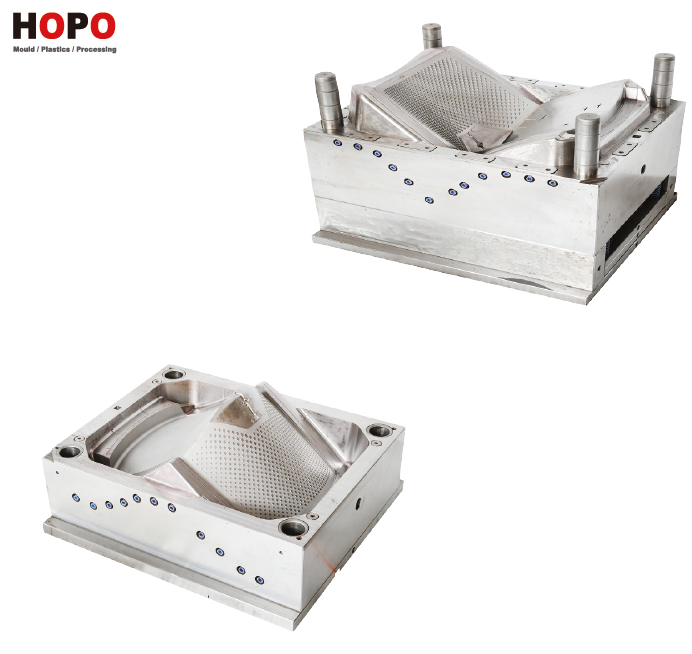
Injection molds are precision tools. Over time, they accumulate residue from polymers, lubricants, corrosion, gas deposits, and even vent clogs. If not addressed, these contaminants lead to:
· Surface defects on molded parts
· Part ejection problems
· Dimensional inconsistencies
· Rust and corrosion in cavities
· Longer cooling times or cycle delays
Neglecting mold cleaning can result in costly rework, part rejection, or even permanent mold damage.
2. Signs Your Injection Mold Needs Cleaning
Don’t wait for a major problem to act. Look for these warning signs:
· Black specks, burn marks, or color streaks on molded parts
· Short shots or incomplete fills
· Difficulty ejecting parts from the mold
· Surface dullness or parting line flash
· Unusual noises during mold operation
· Rust spots or buildup in cooling channels
These indicators usually mean contamination or vent blockage is disrupting the molding process.
3. Types of Mold Cleaning Methods Explained
Depending on the contamination level, mold geometry, and plant resources, here are the most common cleaning techniques used:
|
Cleaning Method
|
Best For
|
Cost
|
Pros
|
Cons
|
|
Manual Cleaning
|
Light buildup, daily cleaning
|
Low
|
Easy to implement, low-cost
|
Time-consuming, inconsistent
|
|
Ultrasonic Cleaning
|
Deep cleaning of small cavities
|
Medium
|
Precise, reaches complex areas
|
Requires special equipment
|
|
Dry Ice Blasting
|
Fast cleaning without disassembly
|
High
|
Non-abrasive, eco-friendly
|
Higher initial cost
|
|
Laser Cleaning
|
Precision molds
|
Very High
|
No chemicals, highly accurate
|
Expensive, needs skilled operators
|
|
Chemical Flushing
|
Cleaning internal cooling lines
|
Medium
|
Effective on scale buildup
|
May require neutralization step
|
4. Step-by-Step Guide: How to Clean Injection Molds Safely and Effectively
Here’s a simplified general procedure suitable for daily to weekly maintenance:
Step 1: Power Down and Cool
· Safely shut down the machine and wait until the mold cools to a safe handling temperature.
Step 2: Disassemble (if needed)
· Open the mold or remove inserts to access internal areas and vent lines.
Step 3: Manual Debris Removal
· Use nylon brushes, lint-free swabs, or compressed air to clear obvious buildup.
· Avoid metal scrapers that could scratch polished surfaces.
Step 4: Apply Mold Cleaner or Degreaser
· Use an approved mold cleaner spray to dissolve resins and greases. Follow safety guidelines.
Step 5: Rinse & Dry
· Wipe thoroughly and blow dry using clean, dry air. Moisture left behind may cause corrosion.
Step 6: Apply Protective Coating (Optional)
· Use a rust-preventative spray if the mold will be stored or unused for a period.
5. Tools and Products Used in Injection Mold Cleaning
Here’s a list of essential tools and supplies every maintenance team should have:
· Mold cleaner sprays (non-chlorinated preferred)
· Rust inhibitors and anti-corrosion sprays
· Nylon, brass, or stainless-steel brushes (non-abrasive)
· Microfiber or lint-free cloths
· Vent pick sets
· Swabs and pipe cleaners
· Dry ice blasting machine (for automated shops)
· Ultrasonic cleaner tanks (for complex inserts)
6. How Often Should Injection Molds Be Cleaned?
There’s no one-size-fits-all answer. Cleaning frequency depends on:
|
Factor
|
Recommended Action
|
|
High-volume production
|
Clean daily or every shift
|
|
Abrasive materials (e.g. glass-filled)
|
Clean after each run
|
|
Color/material changes
|
Clean between every switch
|
|
Vented areas showing carbon buildup
|
Clean weekly or bi-weekly
|
|
Long storage or downtime
|
Clean before and after storage
|
7. How Mold Design and Material Impact Cleaning Requirements
Certain design features and materials make cleaning easier or harder:
· Vents and deep ribs trap gas and residue—require more frequent attention
· Polished surfaces scratch easily—avoid abrasive brushes
· Tool steel vs. aluminum molds—steel resists corrosion better but still needs cleaning
· Cooling channels often scale up—require flushing with cleaning chemicals
If you’re designing molds in-house, factor in cleanability during the mold design stage
8. Preventive Maintenance Tips to Extend Mold Life
· Keep detailed logs of cleaning frequency and observations
· Lubricate moving parts and ejector pins after cleaning
· Store molds in a dry, climate-controlled area
· Use protective caps or wraps for open cavities
· Inspect mold temperature lines for scale or rust buildup
Routine cleaning + scheduled maintenance = longer mold life + better part consistency.
9. Common Mistakes to Avoid When Cleaning Molds
· Using metal tools that scratch surfaces
· Skipping drying, leading to rust
· Over-applying cleaner, which can cause chemical reactions or damage
· Cleaning too late, only after defects appear
· Neglecting venting areas, leading to gas traps or burn marks
Investing in regular training for your maintenance crew is one of the best ROI moves a manufacturer can make.
10. Clean Molds Lead to Clean Results
Knowing how to clean injection molds properly can save your plant thousands of dollars per year in scrap, downtime, and tooling repair. Whether you're a small shop or a high-volume producer, keeping your molds in top condition is a non-negotiable part of lean, efficient manufacturing.
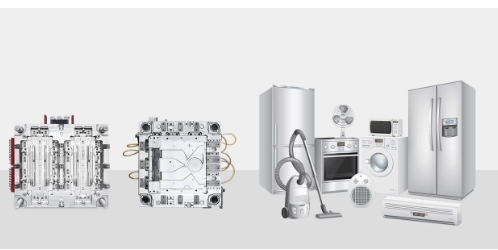
TAIZHOU HOPO MOULD & PLASTIC TECHNOLOGY CO., LTD is a professional plastic injection mould maker and relevant plastic products manufacturer established in 2012. Our Factory is in Zhejiang, China. We enjoy convenient land, water and air transportation, so we could provide short delivery time once the production finished. HOPO offer many kinds of high quality moulds, including daily use commodity moulds, home appliance moulds, automotive moulds, pipe fitting moulds.
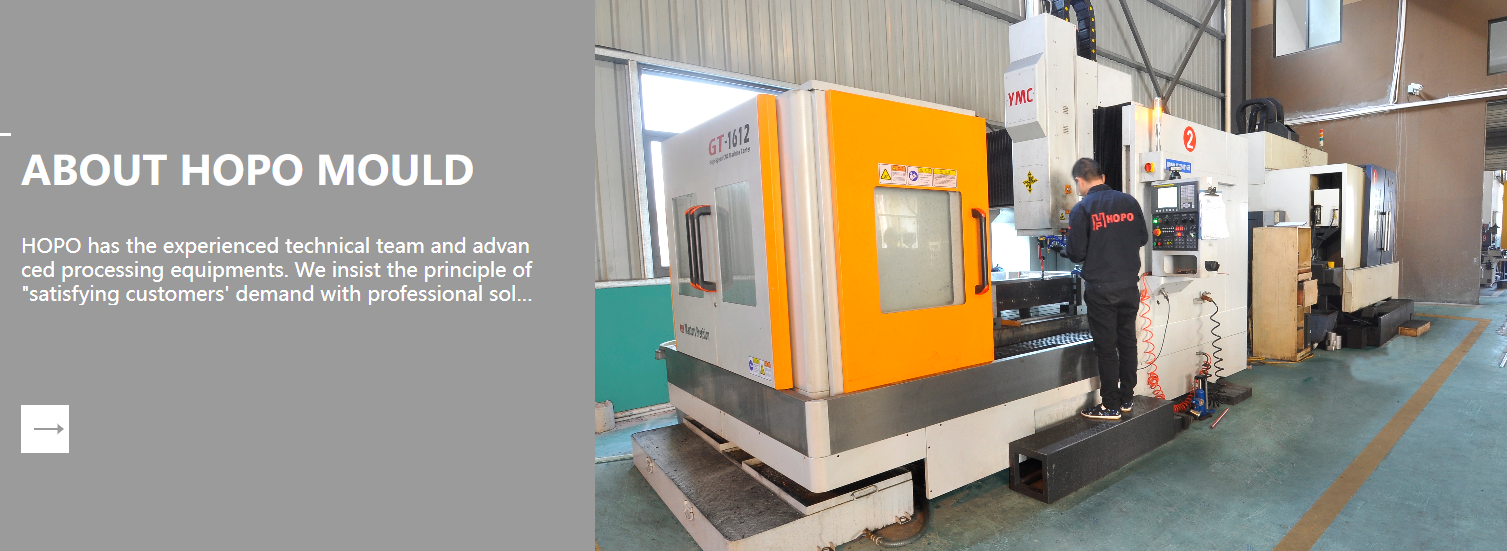
HOPO has the experienced technical team and advanced processing equipments. We insist the principle of "satisfying customers' demand with professional solutions". In order to achieve this goal and serve better for our customers, we have imported more than 20 sets advanced large-scale precision CNC machining equipments, EDM machines and milling facilities. Besides, we have set up a complete CAD / CAM / CAE system to get a better guarantee of the accuracy.
Related Articles
 The Top Injection Molding Industry Leader 2026-02-24 0
 2026 Injection Molding Industry Leader 2026-02-24 0
 USA Top Custom Moulding Experts 2026-02-11 0
 2026 Architectural and Decorative Moulding Leaders in USA 2026-02-11 0
 2026 Top Industrial Plastic Injection Moulding Titans 2026-02-02 0
- 2026 Top Moulding Company 2026-02-02 0
- What Is an Aluminum Injection Mold and Why Is It Used 2026-01-19 0
 How Does Aluminum Material Grade Impact Mold Cost 2026-01-19 0
 The Cost of an Aluminum Injection Mold 2026-01-19 0
 What Affects the Cost of an Aluminum Injection Mold 2026-01-19 0
 What Is the Strength of the 7 Most Common Injection Molding Plastics 2026-01-12 0
 How Thick Can You Injection Mold Plastic 2026-01-12 0
 What Are the 7 Steps of PLC 2025-12-16 0
 What Is PLC in Injection Molding 2025-12-16 0
- What Is the Minimum Wall Thickness of the 7 Main Types of Plastic 2025-12-11 0
 Industry Standards or Guidelines for Wall Thickness by Application 2025-12-11 0
 Why Does Plastic Shrink More in Thick Sections in Injection Molding 2025-12-02 0
 The Strongest Plastic for Injection Molding 2025-12-02 0
- Why is Machine Assistance Essential in High-Demand Mould Shops 2025-11-20 0
 Common Defects and Limitations Must Mold Finishers Anticipate with CP 2025-11-20 0
