
How to Control the Cost of Mold Design
author: HOPO MOULD
2024-12-23
1.Material Selection and Cost Management
Choosing the right materials for both the mold and the parts you’re creating is one of the most critical steps in achieving an efficient and high-performing injection molding process. Material choices can significantly impact the cost, quality, and speed of production. Here's how thoughtful material selection contributes to cost-effective and high-quality manufacturing.
1.1 Selecting the Right Mold Materials
The material used to make the mold directly affects production costs, durability, and performance. Here’s what you need to consider:
- Steel Molds: If you’re planning for high-volume production, steel molds are a popular choice. While their upfront cost is higher, steel molds are incredibly durable and can handle thousands of cycles with precision. This makes them a great investment for long-term, high-volume runs.
- Aluminum Molds: For smaller production runs or projects with a shorter life cycle, aluminum molds offer a cost-effective alternative. Aluminum is lightweight, easier to machine, and has a lower upfront cost compared to steel. However, it doesn’t have the same level of durability, so it may not be ideal for very high-volume projects.
- Beryllium-Copper Alloys: These are used in molds that require excellent heat dissipation. By transferring heat quickly, these alloys help reduce cycle times and boost productivity. Often, they are combined with steel to improve cooling performance in critical areas of the mold.
- Aluminum Molds: For smaller production runs or projects with a shorter life cycle, aluminum molds offer a cost-effective alternative. Aluminum is lightweight, easier to machine, and has a lower upfront cost compared to steel. However, it doesn’t have the same level of durability, so it may not be ideal for very high-volume projects.
- Beryllium-Copper Alloys: These are used in molds that require excellent heat dissipation. By transferring heat quickly, these alloys help reduce cycle times and boost productivity. Often, they are combined with steel to improve cooling performance in critical areas of the mold.
The decision on mold material ultimately boils down to striking a balance between initial investment and expected production volume. For high-volume, long-term production, it often makes sense to spend more on a durable mold. For shorter runs, saving costs upfront with a softer material may make more sense.
1.2 Choosing the Right Plastic for Parts
When it comes to the plastic materials used for your molded parts, selecting the right one is just as important. The choice of plastic impacts mold design, cycle time, and the overall quality of the final product. Key factors to keep in mind include:
- Melting Temperature and Flow Properties: Different types of plastic melt and flow differently. These properties determine how you design elements like the gate size, cooling channels, and vents in the mold. Plastics with a good flow rate can speed up production, while high-temperature plastics might need specialized mold designs to handle the heat.
- Shrinkage Rates and Dimensional Stability: Plastics shrink as they cool, so your mold must be designed with these changes in mind to ensure that the final part comes out accurately. Understanding the shrinkage rate of your plastic is essential for maintaining product precision.
- Balancing Cost and Performance: It’s essential to find the sweet spot between cost and performance. Selecting a slightly more expensive plastic that reduces defects, boosts durability, or speeds up production can save money in the long run.
- Shrinkage Rates and Dimensional Stability: Plastics shrink as they cool, so your mold must be designed with these changes in mind to ensure that the final part comes out accurately. Understanding the shrinkage rate of your plastic is essential for maintaining product precision.
- Balancing Cost and Performance: It’s essential to find the sweet spot between cost and performance. Selecting a slightly more expensive plastic that reduces defects, boosts durability, or speeds up production can save money in the long run.
1.3 Weighing Costs Against Performance
A smart approach to material selection involves weighing the initial costs against long-term benefits. For high-volume manufacturing, investing in a durable mold material, like steel, can save money by reducing maintenance and replacement costs. On the other hand, if you’re producing a limited number of parts, aluminum molds may offer faster machining times and lower upfront expenses. Similarly, using the best plastic for the job can lower scrap rates, speed up production, and boost the quality of your final parts.
Carefully selecting materials for both the mold and the plastic parts helps strike a balance between cost and performance. By analyzing how different materials behave during molding and throughout the product's life cycle, you can create an efficient, high-performing process that minimizes waste, reduces costs, and delivers consistent quality.
2.Optimizing Mold Design for Faster Cycle Times
In injection molding, cycle time—the amount of time it takes to complete one full production cycle from injection to ejection—is one of the most important factors that determines both efficiency and cost. Reducing cycle time without compromising the quality of the parts can significantly boost production output, lower manufacturing costs, and improve overall profitability. Fortunately, optimizing the mold design is one of the most effective ways to reduce cycle time. Here’s how:
2.1. Streamlining the Cooling System
Cooling is often the longest part of the injection molding cycle, and a well-designed cooling system can help speed up this phase considerably. Efficient cooling minimizes the time the mold needs to solidify and cool the molten plastic. Here’s how to achieve that:
- Strategically Placed Cooling Channels: Cooling channels should be positioned as close as possible to the mold cavity to ensure heat is drawn away quickly and evenly from the part. This helps the plastic cool faster and reduces overall cycle time.
- Advanced Cooling Techniques: One such technique is conformal cooling, where cooling channels are designed to follow the exact shape of the mold cavity. This ensures more even and quicker cooling by reducing temperature variations, preventing warping, and speeding up the process.
- Advanced Cooling Techniques: One such technique is conformal cooling, where cooling channels are designed to follow the exact shape of the mold cavity. This ensures more even and quicker cooling by reducing temperature variations, preventing warping, and speeding up the process.
- Temperature Control: Using real-time monitoring systems can help control the temperature precisely, which avoids overheating or undercooling the material, ensuring consistent and faster cooling times.
2.2. Consistent Wall Thickness for Faster Cooling
When designing the part, it’s essential to ensure that the wall thickness is as uniform as possible. Variations in wall thickness can create uneven cooling and lead to longer cycle times. Here’s why:
- Thicker Sections Cool Slower: Parts with thicker walls take longer to cool because they retain heat for a longer period, which can unnecessarily extend the cycle time. Designing parts with a consistent thickness helps speed up the cooling process and ensures more uniform results.
- Using Ribs and Bosses: To reinforce thicker areas of the part without increasing its overall thickness, engineers can use ribs or bosses. These features help maintain structural integrity while allowing for faster, more uniform cooling.
- Using Ribs and Bosses: To reinforce thicker areas of the part without increasing its overall thickness, engineers can use ribs or bosses. These features help maintain structural integrity while allowing for faster, more uniform cooling.
2.3. Gate Design and Placement
The gate is the entry point where molten plastic enters the mold cavity, and its design directly impacts how quickly the mold fills. A well-designed gate can help ensure smooth, efficient filling and cooling, while a poorly designed gate can cause flow issues and defects. Here’s how to optimize gate design:
- Gate Location Matters: Placing the gate in an optimal location ensures that the molten plastic flows evenly and fills the cavity without causing air pockets or uneven filling. This leads to smoother cycles and reduces the need for excessive packing and cooling time.
- Hot Runner Systems: Using hot runners instead of traditional cold runners can eliminate the waste of excess plastic material and speed up the injection process. These systems help minimize material waste, improve filling speed, and reduce cycle times overall.
- Hot Runner Systems: Using hot runners instead of traditional cold runners can eliminate the waste of excess plastic material and speed up the injection process. These systems help minimize material waste, improve filling speed, and reduce cycle times overall.
2.4. Efficient Venting
Proper venting is essential in injection molding because it allows trapped air to escape from the mold cavity, ensuring that the mold fills completely without causing defects like air bubbles or short shots. If the mold is not properly vented, the cycle can slow down as the air pockets are forced out.
- Strategic Venting: Venting systems should be placed in areas where air is most likely to accumulate during the injection process. This helps avoid unnecessary delays caused by trapped air and ensures the part fills evenly.
2.5. Quick Ejection and Mold Opening
Once the part has cooled and solidified, it needs to be ejected from the mold. This part of the cycle shouldn’t take too long, as delays here can extend the overall cycle time. Fast and efficient ejection mechanisms are key.
- Ejection System Design: An efficient ejection system can quickly and smoothly remove the part without causing damage. Well-positioned ejector pins, air blasts, or other mechanisms ensure that the part is released quickly, reducing downtime.
- Minimize Mold Opening Time: The process of opening and closing the mold should also be optimized. Using fast-acting hydraulic or mechanical systems to open and close the mold quickly ensures minimal delays between cycles.
2.6. Choosing the Right Materials
The type of plastic material used in the molding process has a significant impact on both the filling and cooling phases. Some plastics are easier to inject and cool faster than others.
- Fast-Cooling Materials: Some plastics have better thermal properties, allowing them to cool more quickly. Selecting materials with fast cooling characteristics can reduce the overall cycle time.
- Additives to Improve Flow: Some additives can be mixed with the plastic to enhance its flow properties, helping it fill the mold faster. These additives reduce the need for excessive pressure or longer injection times, contributing to faster cycles.
- Additives to Improve Flow: Some additives can be mixed with the plastic to enhance its flow properties, helping it fill the mold faster. These additives reduce the need for excessive pressure or longer injection times, contributing to faster cycles.
Optimizing mold design for faster cycle times is a critical aspect of improving the efficiency and cost-effectiveness of the injection molding process. By focusing on elements like cooling, wall thickness, gate design, venting, and ejection, manufacturers can significantly reduce cycle times and improve production throughput. Ultimately, these improvements can lead to lower costs, higher quality, and greater profitability in manufacturing plastic parts.
3. Maintenance and Durability Considerations
When designing injection molds, it’s important to think not just about how the mold will perform in the short term, but how it will stand up to the pressures of long-term use. Molds are exposed to constant heat, pressure, and wear, so designing them with durability and ease of maintenance in mind can save both time and money in the long run. Here’s how to balance these considerations to ensure your mold performs reliably throughout its lifespan.
3.1 Durability: Designing for the Long Haul
Molds are a big investment, so you want them to last. The more durable your mold is, the less frequently you'll need to replace or repair it. Here’s how to make sure your mold is built to withstand the test of time:
- Choosing the Right Material: The material used to make the mold is one of the most important factors in its durability. Steel molds are typically the most durable and long-lasting, ideal for high-volume production. But not all steel is created equal—different grades like H13 or P20 offer different strengths and wear resistance, and they come at different price points. If you're looking for a more budget-friendly option for low-volume or prototype production, aluminum molds might be a good choice, though they wear out more quickly.
- Heat Treatment for Strength: Molds made from steel can be further strengthened through heat treatment, which involves heating and cooling the mold in controlled ways to increase its hardness. This helps the mold handle the intense heat and pressure it will face during injection molding without succumbing to damage. This step is especially important for molds that will be used repeatedly or in high-performance environments.
- Heat Treatment for Strength: Molds made from steel can be further strengthened through heat treatment, which involves heating and cooling the mold in controlled ways to increase its hardness. This helps the mold handle the intense heat and pressure it will face during injection molding without succumbing to damage. This step is especially important for molds that will be used repeatedly or in high-performance environments.
- Protective Coatings: If your mold will be exposed to aggressive materials or harsh conditions, adding a wear-resistant coating can help extend its life. Coatings like titanium nitride (TiN) or chrome plating can add an extra layer of protection against abrasion and corrosion, ensuring that your mold remains in top condition for longer.
3.2 Maintenance: Making It Easy and Efficient
Molds need regular upkeep to keep them working efficiently. But maintenance doesn’t have to be a lengthy or expensive process if the mold is designed with that in mind. A mold that’s easy to maintain will save you time and money in the long run:
- Modular Components: A mold with interchangeable, standardized components is much easier and quicker to repair when parts wear out. Instead of needing a completely new custom part, you can simply replace the worn component. This not only saves on part costs but also minimizes downtime, ensuring production doesn’t come to a halt.
- Accessibility for Quick Fixes: It’s important that the mold design allows easy access to parts that need regular maintenance, like ejector pins or cooling channels. By adding inspection ports or designing the mold to be easily disassembled, you’ll be able to check for wear or blockages quickly. The easier it is to inspect and clean, the less time you’ll spend on maintenance.
- Preventive Maintenance: Routine cleaning and lubrication go a long way in ensuring that your mold continues to perform well. Even something as simple as cleaning cooling channels or applying lubricant to moving parts can help prevent issues down the road. The mold should be designed to make these tasks as easy and straightforward as possible, so you can do them regularly without unnecessary hassle.
3.3 Designing for Durability
The way a mold is designed also plays a big role in how well it performs over time. Here are some ways to design molds that will hold up better under pressure:
- Optimizing Cooling Channels: Cooling is a crucial part of the injection molding process. If the cooling isn’t uniform, the mold can warp or become damaged over time. Properly designed cooling channels ensure that the mold cools evenly, reducing the risk of heat buildup or hot spots that could weaken the mold. When the cooling system is designed well, it also speeds up the cycle time, helping to optimize overall production efficiency.
- Reducing Stress on the Mold: Internal stresses are a major cause of mold failure, leading to cracks or deformations over time. To minimize these stresses, molds should be designed with balanced thicknesses and proper venting. This way, the material flows smoothly and evenly through the mold, reducing the chances of pressure points that could cause damage.
- Adding Wear-Resistant Inserts: In areas of the mold that will experience the most stress, wear-resistant inserts (such as carbide) can be used. These inserts protect the mold from the abrasiveness of the material being molded, especially when using tougher or more abrasive materials. This helps reduce the frequency of repairs in high-wear zones.
By considering durability and ease of maintenance during the design phase, you can ensure that your mold continues to perform well over its lifespan. A well-designed mold minimizes wear and tear, reduces maintenance time, and extends its life, saving you money on repairs and replacements. Investing in a durable, easy-to-maintain mold from the start will pay off in the long run, helping you keep production running smoothly without constant interruptions.
4. Reducing Material Waste
Reducing material waste in injection molding isn’t just about cutting costs—it’s also about creating a more sustainable and efficient process. Excess material not only adds to production costs but can also be detrimental to the environment. Thankfully, there are several strategies that can help minimize waste, all while ensuring high-quality production. Here’s how smart mold design can make a big difference:
A. Hot Runner Systems
One of the most effective ways to reduce waste is by using hot runner systems. Unlike traditional molds, which leave behind plastic runners and gates that get discarded after each cycle, hot runner systems keep the material flowing through the mold until it's injected into the cavity. This eliminates the need for runners that would otherwise be wasted, making the process more efficient.
While hot runner systems can be more expensive upfront, they quickly pay off in high-volume production. Not only do they minimize waste, but they also improve cycle times and enhance the consistency of the parts being produced, making them a solid investment in the long run.
B. Streamlined Sprue and Runner Design
Even in traditional molding, small adjustments to sprue and runner designs can make a big difference in waste reduction. By minimizing the size and length of runners and ensuring a more direct flow of material to the mold cavities, designers can reduce the amount of plastic that needs to be used.
A well-designed sprue and runner system ensures that only the necessary amount of material is injected into the mold, preventing excess waste. Designers can also include features like cold slug wells, which capture any leftover material, making it easier to reuse and recycle it for future runs.
C. Mold Design for Easy Material Recovery
Another important consideration is making it easy to reclaim and recycle excess material. A good mold design allows manufacturers to easily reuse plastic that remains in the system after a molding cycle, ensuring that no material goes to waste. This is especially valuable in larger operations, where reusing material can lead to significant cost savings over time.
Many injection molding setups are designed with recycling in mind, using systems that allow scrap plastic to be directly fed back into the production process. This can be a great way to cut costs, as long as the quality of the material is still up to standard and doesn’t affect the final product.
D. Precision in Mold Cavities
Precision in mold cavity design plays a huge role in reducing waste. When molds are designed with exact dimensions, only the required amount of material is used to fill the cavity, reducing excess plastic. Inaccurate molds can result in "flash" (extra material around the edges of the part) or parts that are out of spec, which leads to wasted material and increased scrap rates.
By focusing on accurate cavity designs and tolerances, designers can ensure that every part produced is as close to perfect as possible, with minimal waste or defects.
E. Simulation Tools for Waste Reduction
Modern design tools like computer-aided design (CAD) and simulation software help mold designers predict material flow and potential defects before production even starts. These tools allow for optimization of gate and runner placement, material flow, and cooling times, helping manufacturers avoid unnecessary waste from the get-go.
Simulation tools can also flag areas where material waste could occur, allowing designers to tweak the mold design before anything is built. This leads to smarter, more efficient production with less room for error.
Incorporating these strategies into the mold design process not only cuts down on waste but also helps keep production costs low and increases efficiency. And beyond the financial benefits, reducing material waste is a win for sustainability. By using less plastic and recycling more, manufacturers can help minimize the environmental impact of their operations—making smart mold design good for both business and the planet.

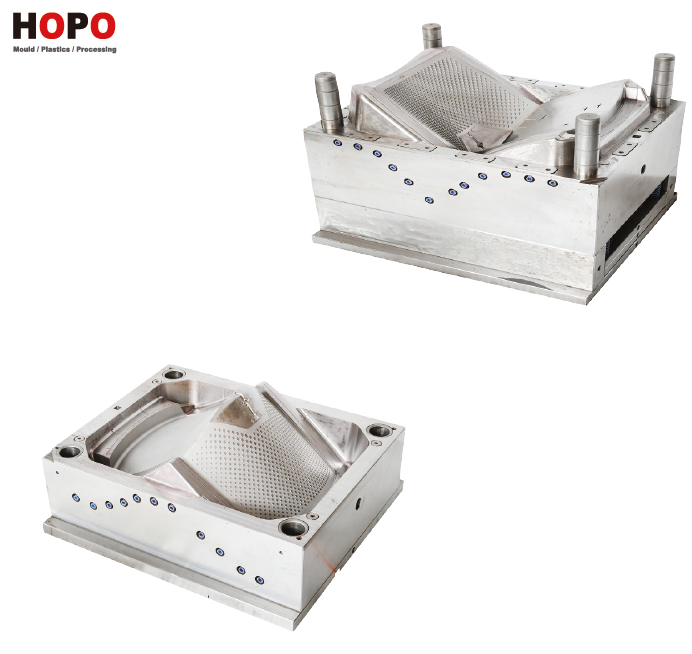
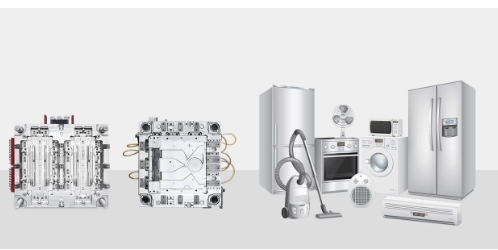
TAIZHOU HOPO MOULD & PLASTIC TECHNOLOGY CO., LTD is a professional plastic injection mould maker and relevant plastic products manufacturer established in 2012. Our Factory is in Zhejiang, China. We enjoy convenient land, water and air transportation, so we could provide short delivery time once the production finished. HOPO offer many kinds of high quality moulds, including daily use commodity moulds, home appliance moulds, automotive moulds, pipe fitting moulds and industrial products moulds, also could directy offer you those relevant plastic parts prodcution.
Related Articles
 The Top Injection Molding Industry Leader 2026-02-24 0
 2026 Injection Molding Industry Leader 2026-02-24 0
 USA Top Custom Moulding Experts 2026-02-11 0
 2026 Architectural and Decorative Moulding Leaders in USA 2026-02-11 0
 2026 Top Industrial Plastic Injection Moulding Titans 2026-02-02 0
- 2026 Top Moulding Company 2026-02-02 0
- What Is an Aluminum Injection Mold and Why Is It Used 2026-01-19 0
 How Does Aluminum Material Grade Impact Mold Cost 2026-01-19 0
 The Cost of an Aluminum Injection Mold 2026-01-19 0
 What Affects the Cost of an Aluminum Injection Mold 2026-01-19 0
 What Is the Strength of the 7 Most Common Injection Molding Plastics 2026-01-12 0
 How Thick Can You Injection Mold Plastic 2026-01-12 0
 What Are the 7 Steps of PLC 2025-12-16 0
 What Is PLC in Injection Molding 2025-12-16 0
- What Is the Minimum Wall Thickness of the 7 Main Types of Plastic 2025-12-11 0
 Industry Standards or Guidelines for Wall Thickness by Application 2025-12-11 0
 Why Does Plastic Shrink More in Thick Sections in Injection Molding 2025-12-02 0
 The Strongest Plastic for Injection Molding 2025-12-02 0
- Why is Machine Assistance Essential in High-Demand Mould Shops 2025-11-20 0
 Common Defects and Limitations Must Mold Finishers Anticipate with CP 2025-11-20 0
