
How to Improve Mold Life with Steel Quality?
author: CHEN
2025-02-06
When it comes to injection molding, the durability and performance of your molds are paramount. High mold life is essential for maintaining production consistency, reducing downtime, and improving the efficiency of manufacturing processes. But how can you extend the life of your molds? The answer lies in the quality of steel used to create the mold and the various factors that influence its longevity.
HOPO MOULD will explore steel selection, heat treatment processes, coating techniques, and advanced mold design strategies to maximize the lifespan of your molds. By the end, you’ll understand how to make the best choices at each stage of mold production to ensure your molds are as durable as possible.
1. Choosing the Right Steel
Mold life begins with steel selection. The chemical composition and mechanical properties of the steel can influence everything from the mold's heat resistance to its ability to withstand wear, corrosion, and impact. Let’s take a closer look at some of the most commonly used steels and how their properties contribute to mold longevity.
H13 Steel: High Heat Resistance for High-Performance Applications
H13 steel is one of the most popular and highly recommended materials for injection molds. Known for its exceptional thermal resistance and ability to withstand high temperatures, H13 steel maintains its hardness even under extreme conditions. This makes it ideal for molds used in high-volume production, where molds are subjected to repeated thermal cycles.
- Pros: Excellent resistance to thermal fatigue, high wear resistance, good machinability.
- Applications: Automotive, aerospace, and plastic molding.
- Applications: Automotive, aerospace, and plastic molding.
P20 Steel: Versatility and Cost-Effectiveness
For general-purpose molds, P20 steel is often chosen. P20 is a versatile and relatively cost-effective steel that works well for standard applications where temperatures and wear conditions aren’t as extreme. It provides a good balance between machinability, strength, and hardness, making it a reliable choice for mid-volume production runs.
- Pros: Excellent machinability, good toughness, and hardness.
- Applications: General-purpose plastic molds, low-volume applications.
- Applications: General-purpose plastic molds, low-volume applications.
S7 Steel: Superior Toughness for Heavy-Duty Applications
S7 steel is an excellent choice when shock resistance is a top priority. It provides superior toughness and can handle heavy-duty and impact-driven molding processes. While it isn’t the best for high-temperature applications, S7 steel is extremely durable and resistant to cracking under extreme conditions.
- Pros: High toughness, excellent resistance to impact, great for high-stress applications.
- Applications: Molds for metals, rubber, and heavy-duty plastic molding.
- Applications: Molds for metals, rubber, and heavy-duty plastic molding.
420 Stainless Steel: Corrosion Resistance for Specialized Molds
For molds exposed to corrosive materials or those used in medical, food, or pharmaceutical industries, 420 stainless steel offers superior corrosion resistance. This makes it perfect for environments where the mold may come into contact with harsh chemicals or moisture.
- Pros: Excellent corrosion resistance, decent wear resistance.
- Applications: Food processing, medical device molds, and molds for chemicals.
- Applications: Food processing, medical device molds, and molds for chemicals.
2. Optimizing Steel through Heat Treatment
Once you’ve selected the appropriate steel for your mold, the next step is ensuring that the steel is properly heat-treated to enhance its mechanical properties. Heat treatment processes like quenching, tempering, and annealing play a critical role in increasing hardness, improving toughness, and preventing deformation.
Quenching and Tempering: Achieving Optimal Hardness
Quenching involves rapidly cooling the steel after heating it to a specific temperature, making the steel hard. However, this process can make the steel more brittle. Tempering is then performed to relieve the stress and reduce brittleness, increasing toughness while maintaining hardness.
- Benefits: Improved wear resistance, greater resistance to thermal fatigue.
- Considerations: It’s important to balance the hardness and toughness of the steel to avoid cracking during the molding process.
- Considerations: It’s important to balance the hardness and toughness of the steel to avoid cracking during the molding process.
Nitride Hardening: Surface Enhancement for Durability
For high-performance molds, nitride hardening is an excellent technique. This process involves introducing nitrogen to the surface of the steel, resulting in an extremely hard, wear-resistant layer. Nitride hardening improves corrosion resistance and extends the life of the mold, especially when working with abrasive materials or in high-temperature applications.
- Benefits: Harder surface, better corrosion resistance, improved wear resistance.
- Considerations: Primarily used for surface enhancement, not as effective for improving overall toughness.
- Considerations: Primarily used for surface enhancement, not as effective for improving overall toughness.
3. The Final Layer of Protection - Coatings
In addition to selecting the right steel and heat treatment, applying protective coatings to your mold can drastically extend its life. Coatings reduce wear and tear, protect against corrosion, and can even improve thermal conductivity.
Chrome Plating: Reducing Friction and Wear
Chrome plating is one of the most popular coatings used for molds. This thin layer of chromium reduces friction, which helps minimize wear and tear during production. Chrome also has corrosion-resistant properties, making it suitable for molds exposed to chemicals, moisture, or other harsh conditions.
- Benefits: Reduces friction, improves wear resistance, corrosion-resistant.
- Applications: Molds that require smooth, low-friction surfaces.
- Applications: Molds that require smooth, low-friction surfaces.
PVD (Physical Vapor Deposition) Coatings: Advanced Wear Resistance
For molds exposed to extreme wear, PVD coatings offer outstanding protection. These coatings are applied by vaporizing the coating material in a vacuum and allowing it to settle on the mold’s surface. PVD coatings are known for their high hardness, superior wear resistance, and resistance to high temperatures.
- Benefits: Superior hardness, enhanced wear resistance, high thermal stability.
- Applications: Molds for abrasive plastics or metals.
- Applications: Molds for abrasive plastics or metals.
4. Mold Design and Steel Distribution Ensuring Longevity through Smart Engineering
While steel quality is crucial, mold design and how the steel is distributed across the mold also significantly impact mold life. The goal is to minimize stress concentrations, ensure even cooling, and optimize structural integrity.
Design for Balanced Heat Distribution
Uneven heat distribution can cause warping, cracking, and premature wear on your molds. A well-designed mold ensures uniform temperature distribution throughout the mold cavity. Cooling channels should be positioned strategically to promote efficient cooling and minimize thermal gradients, which reduces the risk of thermal fatigue.
Steel Thickness: Balancing Durability and Performance
The thickness of the mold material is another critical design consideration. Too thin a mold can lead to stress concentration and early failure, while too thick a mold can reduce heat transfer and lead to inefficiency in the molding process. The ideal thickness depends on the material being molded, the volume of production, and the expected temperature fluctuations during operation.
- Recommendation: Work with experienced mold designers to calculate the ideal thickness and layout for your mold to optimize heat dissipation and minimize stress points.
5. Routine Maintenance The Key to Long-Term Mold Performance
Even with the best steel and coatings, regular maintenance is essential for extending mold life. Scheduled maintenance should include:
- Cleaning: Regularly clean the mold to prevent buildup of materials that may degrade mold performance.
- Inspection: Periodically inspect the mold for signs of wear, cracking, or any potential failure points.
- Lubrication: Proper lubrication reduces friction and helps prevent unnecessary wear on moving parts.
- Inspection: Periodically inspect the mold for signs of wear, cracking, or any potential failure points.
- Lubrication: Proper lubrication reduces friction and helps prevent unnecessary wear on moving parts.
Steel Quality as the Foundation of Mold Durability
Improving mold life starts with steel quality, but maintaining it requires a comprehensive approach. Choosing the right material, applying effective heat treatment and coatings, optimizing mold design, and maintaining the mold are all critical to extending its lifespan. By focusing on these factors, you can ensure that your molds perform at peak efficiency, reducing downtime, maintenance costs, and maximizing your return on investment.
Remember, investing in quality steel and maintaining the molds properly is not just about cost—it’s about ensuring your molds will last and continue delivering high-quality products for years to come.
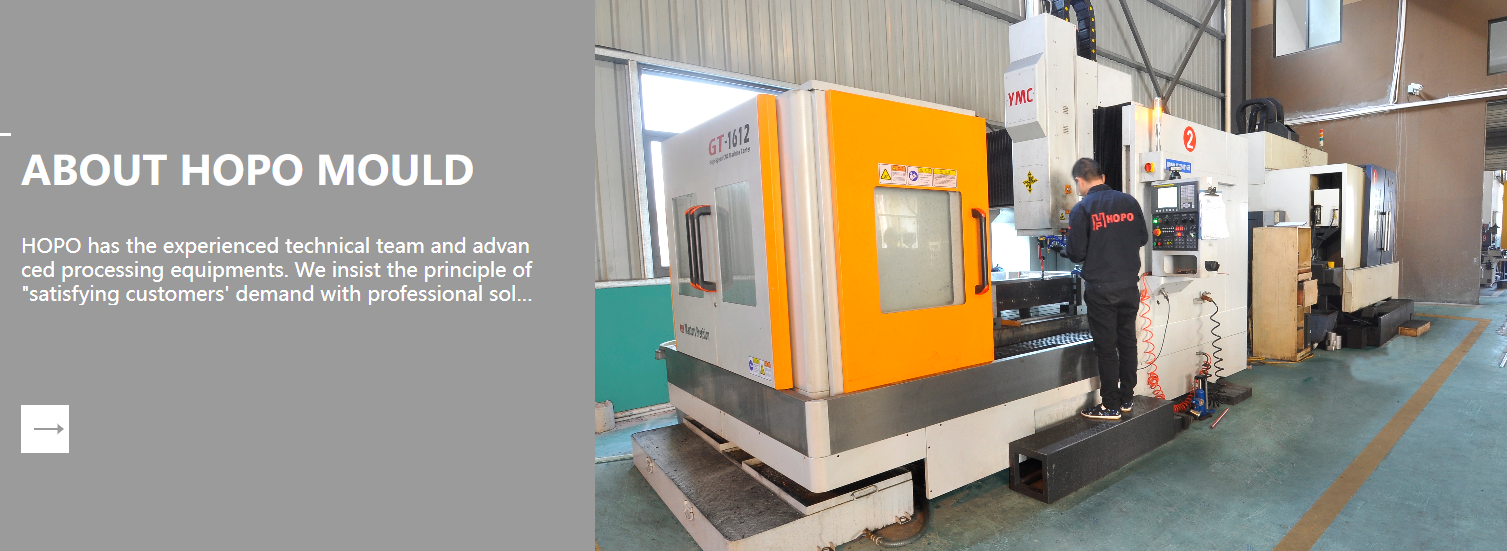
TAIZHOU HOPO MOULD & PLASTIC TECHNOLOGY CO., LTD is a professional plastic injection mould maker and relevant plastic products manufacturer established in 2012. Our Factory is in Zhejiang, China. We enjoy convenient land, water and air transportation, so we could provide short delivery time once the production finished. HOPO offer many kinds of high quality moulds, including daily use commodity moulds, home appliance moulds, automotive moulds, pipe fitting moulds and industrial products moulds, also could directy offer you those relevant plastic parts prodcution.
Related Articles
 The Top Injection Molding Industry Leader 2026-02-24 0
 2026 Injection Molding Industry Leader 2026-02-24 0
 USA Top Custom Moulding Experts 2026-02-11 0
 2026 Architectural and Decorative Moulding Leaders in USA 2026-02-11 0
 2026 Top Industrial Plastic Injection Moulding Titans 2026-02-02 0
- 2026 Top Moulding Company 2026-02-02 0
- What Is an Aluminum Injection Mold and Why Is It Used 2026-01-19 0
 How Does Aluminum Material Grade Impact Mold Cost 2026-01-19 0
 The Cost of an Aluminum Injection Mold 2026-01-19 0
 What Affects the Cost of an Aluminum Injection Mold 2026-01-19 0
 What Is the Strength of the 7 Most Common Injection Molding Plastics 2026-01-12 0
 How Thick Can You Injection Mold Plastic 2026-01-12 0
 What Are the 7 Steps of PLC 2025-12-16 0
 What Is PLC in Injection Molding 2025-12-16 0
- What Is the Minimum Wall Thickness of the 7 Main Types of Plastic 2025-12-11 0
 Industry Standards or Guidelines for Wall Thickness by Application 2025-12-11 0
 Why Does Plastic Shrink More in Thick Sections in Injection Molding 2025-12-02 0
 The Strongest Plastic for Injection Molding 2025-12-02 0
- Why is Machine Assistance Essential in High-Demand Mould Shops 2025-11-20 0
 Common Defects and Limitations Must Mold Finishers Anticipate with CP 2025-11-20 0
