
How Two-Color Injection Molding Work
The Working Principle of Two-Color Injection Molding
At its core, two-color injection molding—also known as two-shot or dual-shot molding—is a specialized plastic molding process where two different materials or two different colors of the same material are injected into a mold in a controlled, sequential process, forming one cohesive, multi-material part.
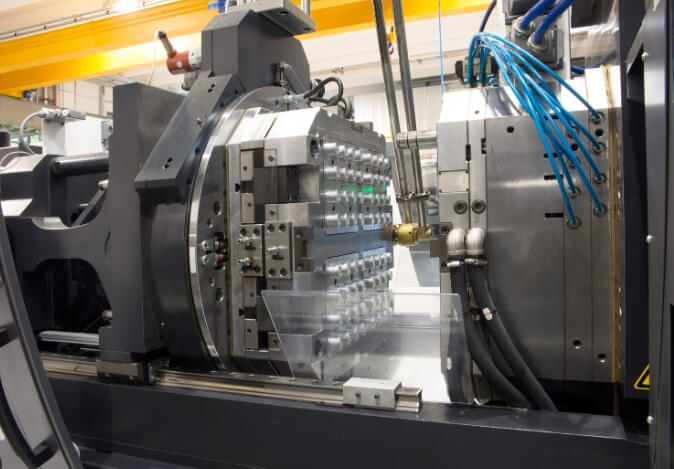
Rather than molding two components separately and assembling them afterward, this method integrates both shots into one streamlined cycle, using either a rotary system or sliding mold components to align the second shot precisely over the first.
Step-by-Step Working Principle:
Step 1: First Injection (Base Material / First Color)
- The process starts by injecting the first material into a cavity of the mold to form the base structure of the part.
- This material could be rigid (like ABS or PC) or flexible, depending on the product’s function.
Step 2: Mold Rotation or Transfer
- Once the first shot solidifies enough to retain its shape, the mold rotates 180 degrees (in rotary platen machines) or slides to a second position (in core-back systems).
- This exposes the preformed first-shot part to a new cavity section, which is specially designed for the second material.
Step 3: Second Injection (Overlay Material / Second Color)
- The second material—either a different color or a different resin (like a soft TPE over a rigid ABS)—is injected into the mold.
- It flows over, around, or beside the first material and bonds with it while still hot, creating a single, unified part.
- The bonding happens either through mechanical interlocking (via undercuts or texture) or chemical adhesion (when materials are compatible).
Step 4: Cooling and Ejection
- Once both materials have cooled and solidified, the mold opens, and the finished two-color part is ejected.
- The machine is now ready for the next cycle.
Key Principles That Make Two-Color Injection Molding Work
Two-color injection molding may seem complex, but it’s built on a handful of core principles that allow it to deliver highly functional, integrated parts in a single process. Understanding these fundamentals helps engineers make smarter decisions when designing parts or selecting tooling and machines.
Here are the key principles that drive two-color injection molding success:
1. Sequential Injection with Dual Barrels
At the heart of the process are two injection units, each feeding a different material (or color of the same material). These are precisely timed to inject one after the other.
- The first barrel injects the base material into the mold.
- The second barrel injects the second material into a different cavity section that aligns with the first. Why it matters: Proper timing and pressure control between shots is essential to achieve bonding, avoid short shots, and ensure part integrity.
2. Rotating or Sliding Mold Cavities
After the first material is injected and partially cooled, the mold uses a rotary platen, core-back mechanism, or slide transfer system to reposition the first-shot part so it can receive the second shot. Why it matters: The mold must align perfectly between steps to prevent defects like mismatched material layers or flashing.
3. Material Compatibility and Bonding
Successful two-color molding depends on how well the two materials bond together—either through chemical adhesion (when thermally and chemically compatible) or mechanical interlock (using textures, grooves, or undercuts). Why it matters: Without strong adhesion, the two parts may separate or fail under mechanical stress or over time.
4. Temperature and Pressure Synchronization
The materials must be processed at temperatures and pressures that support bonding without damaging either shot.
- Overheating can cause deformation.
- Underheating can prevent adhesion. Why it matters: Maintaining tight control of process parameters ensures repeatability and strong fusion between materials.
5. Precise Mold and Part Design
The mold must be designed with tight tolerances, proper gating, and venting layouts for both shots.
- Gate placement must avoid disturbing the first shot during the second.
- Vents must release air during second injection to avoid bubbles or voids. Why it matters: Good design prevents short shots, weld lines, warpage, and cosmetic flaws.
Core Principles of Two-Color Injection Molding
| Principle | Function in Process |
|---|---|
| Dual Injection Units | Inject two materials in sequence with precision timing |
| Mold Indexing (Rotation or Slide) | Aligns first-shot part for second material overlay |
| Material Compatibility | Ensures bonding between layers via thermal or mechanical methods |
| Thermal & Pressure Control | Prevents defects and enables consistent fusion between materials |
| Accurate Mold Design | Supports alignment, clean flow paths, and high-quality finished parts |
Together, these principles make two-color molding a repeatable, scalable, and high-value process—ideal for applications that demand aesthetics, functionality, or part consolidation.
Example in Action:
Imagine a toothbrush handle:
- The rigid polypropylene (PP) core is injected first.
- The mold rotates.
- The soft thermoplastic elastomer (TPE) grip area is injected on top.
- A single, dual-material toothbrush is formed—ready to use, no assembly needed.
The genius of two-color molding lies in its ability to combine two functions, textures, or aesthetics in one seamless part—without secondary processes. It’s this precise control and integration that makes it a go-to choice in industries like automotive, consumer electronics, medical devices, and home appliances.
Benefites of Two-Color Molding
Two-color molding offers significant benefits in both design flexibility and cost savings:
- ✅ Eliminates assembly – Reduces labor, fixtures, and bonding steps
- ✅ Improves durability – Creates a stronger bond between materials
- ✅ Enhances aesthetics – Enables branding, labeling, or transparent/colored combinations
- ✅ Boosts production efficiency – Produces complex parts in a single cycle
- ✅ Reduces defects – Better alignment and fewer contamination risks than post-assembly
Limitations of Two-Color Molding
While powerful, two-color molding isn’t without its drawbacks:
- Higher upfront tooling cost due to complex molds
- Longer lead times for mold fabrication and testing
- Requires specialized machines and training
- Material selection limits if incompatible polymers are chosen
These challenges are offset when the process leads to mass production savings, improved quality, and fewer downstream operations.
Related Articles
 The Top Injection Molding Industry Leader 2026-02-24 0
 2026 Injection Molding Industry Leader 2026-02-24 0
 USA Top Custom Moulding Experts 2026-02-11 0
 2026 Architectural and Decorative Moulding Leaders in USA 2026-02-11 0
 2026 Top Industrial Plastic Injection Moulding Titans 2026-02-02 0
- 2026 Top Moulding Company 2026-02-02 0
- What Is an Aluminum Injection Mold and Why Is It Used 2026-01-19 0
 How Does Aluminum Material Grade Impact Mold Cost 2026-01-19 0
 The Cost of an Aluminum Injection Mold 2026-01-19 0
 What Affects the Cost of an Aluminum Injection Mold 2026-01-19 0
 What Is the Strength of the 7 Most Common Injection Molding Plastics 2026-01-12 0
 How Thick Can You Injection Mold Plastic 2026-01-12 0
 What Are the 7 Steps of PLC 2025-12-16 0
 What Is PLC in Injection Molding 2025-12-16 0
- What Is the Minimum Wall Thickness of the 7 Main Types of Plastic 2025-12-11 0
 Industry Standards or Guidelines for Wall Thickness by Application 2025-12-11 0
 Why Does Plastic Shrink More in Thick Sections in Injection Molding 2025-12-02 0
 The Strongest Plastic for Injection Molding 2025-12-02 0
- Why is Machine Assistance Essential in High-Demand Mould Shops 2025-11-20 0
 Common Defects and Limitations Must Mold Finishers Anticipate with CP 2025-11-20 0
