
Injection Mold Design Guide for Quality Manufacturing
author: HOPO MOULD
2024-11-26
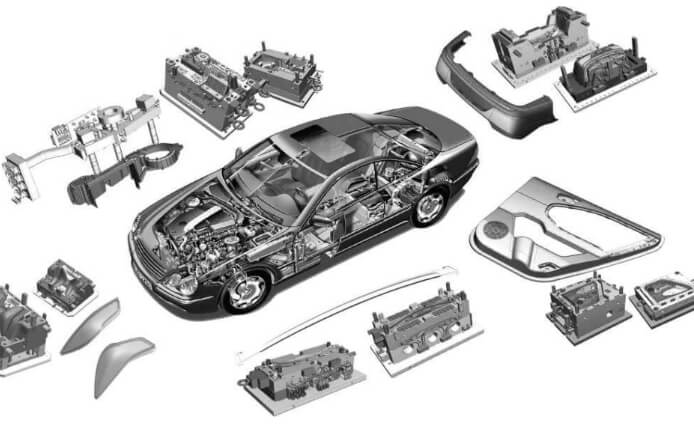
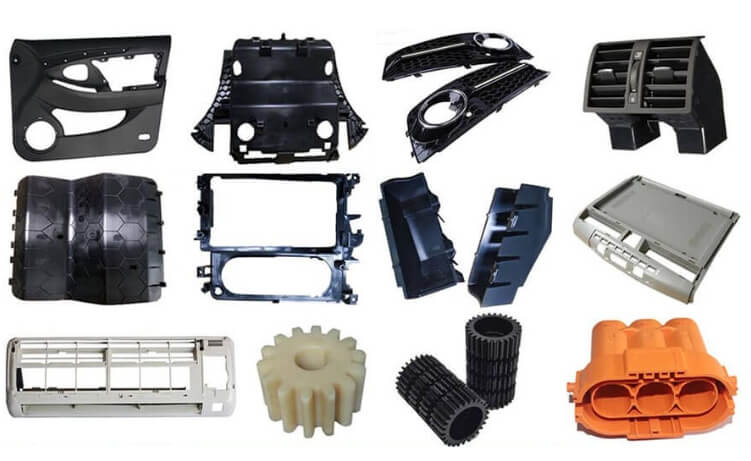
Injection molding is one of the most widely used manufacturing processes for producing precise, high-quality plastic parts. Whether for automotive components, medical devices, or consumer goods, the effectiveness of injection molding depends largely on the design of the mold. A well-designed mold can significantly improve the efficiency, cost-effectiveness, and overall quality of the final product.
What Is Injection Molding?
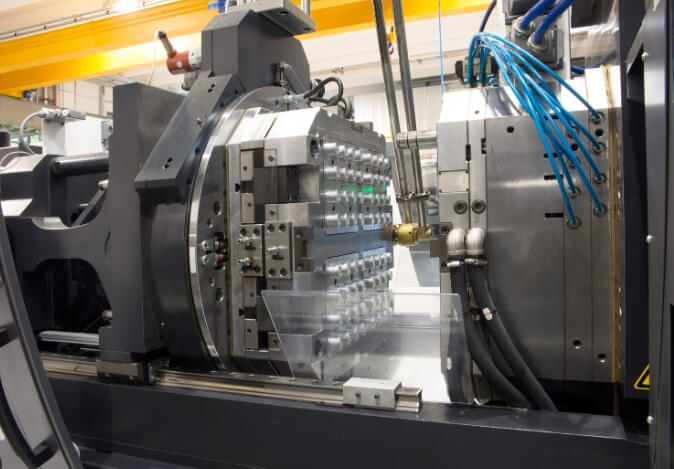
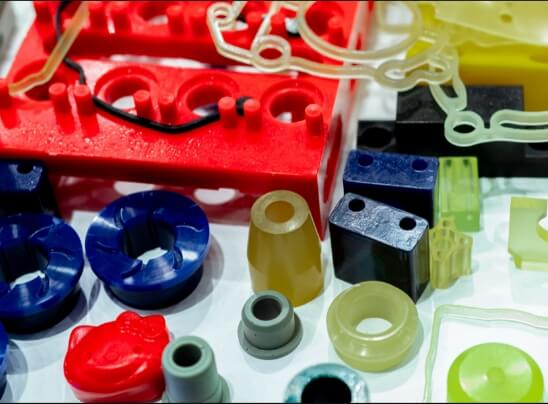
Injection molding is a manufacturing process in which molten material (typically plastic) is injected under high pressure into a mold cavity. The material then cools and solidifies, taking the shape of the cavity. Injection molding is ideal for mass-producing parts with complex geometries and tight tolerances, making it a popular choice across various industries.
Injection molding is a manufacturing process in which molten material (typically plastic) is injected under high pressure into a mold cavity. The material then cools and solidifies, taking the shape of the cavity. Injection molding is ideal for mass-producing parts with complex geometries and tight tolerances, making it a popular choice across various industries.
The quality of the injection-molded part is heavily influenced by the design of the mold itself. A well-engineered mold will not only result in higher-quality parts but also optimize the production cycle, reduce material waste, and cut manufacturing costs.
Key Components of an Injection Mold
A mold is made up of several critical components, each playing an essential role in the injection molding process:
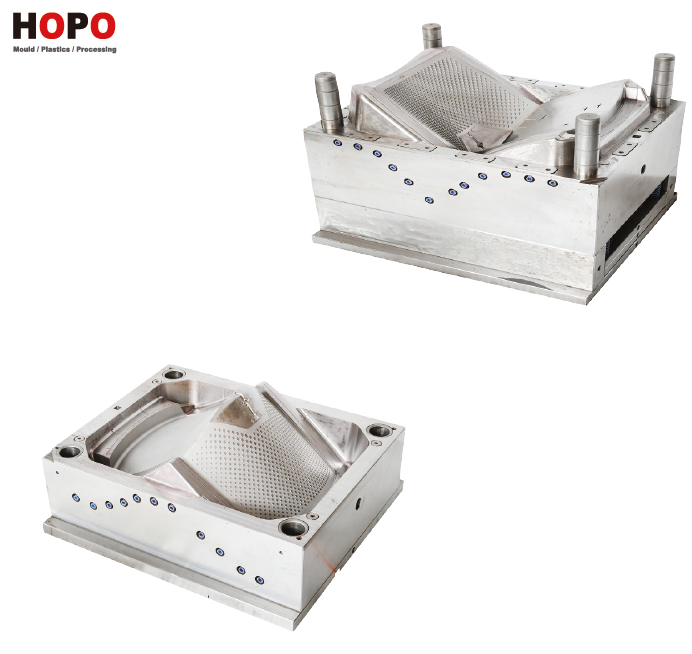
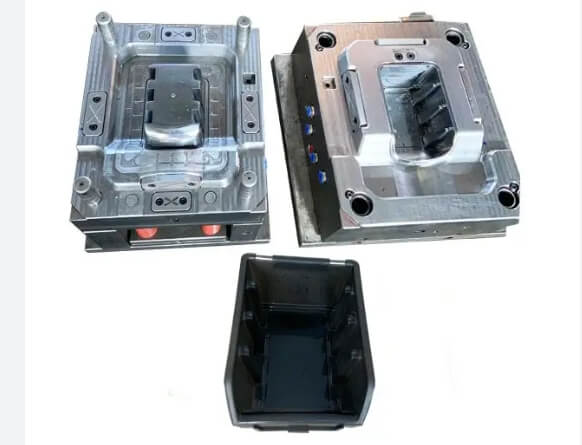
- Cavity and Core: These are the primary components that shape the molded part. The cavity forms the exterior of the part, while the core forms the interior. Together, they create the final geometry.
- Sprue, Runner, and Gate: The sprue is the channel through which molten material enters the mold. The runner system directs the material from the sprue to the individual cavities, and the gate is the point where material enters the cavity.
- Ejector System: Once the plastic has cooled and solidified, the ejector system pushes the part out of the mold. This is typically done using ejector pins or plates.
- Cooling System: Molds are designed with cooling channels that circulate coolant to regulate the mold temperature and shorten cycle times.
- Vents: Vents allow air to escape the mold cavity during the injection process. Without proper venting, air pockets can form, causing defects like surface imperfections or incomplete parts.
- Sprue, Runner, and Gate: The sprue is the channel through which molten material enters the mold. The runner system directs the material from the sprue to the individual cavities, and the gate is the point where material enters the cavity.
- Ejector System: Once the plastic has cooled and solidified, the ejector system pushes the part out of the mold. This is typically done using ejector pins or plates.
- Cooling System: Molds are designed with cooling channels that circulate coolant to regulate the mold temperature and shorten cycle times.
- Vents: Vents allow air to escape the mold cavity during the injection process. Without proper venting, air pockets can form, causing defects like surface imperfections or incomplete parts.
Types of Injection Molds
Molds come in various configurations, each suitable for different production needs:
- Single-Cavity Mold: This type of mold produces one part per cycle. It is typically used for low-volume or prototype production.
- Multi-Cavity Mold: This mold produces multiple identical parts in a single cycle, increasing production efficiency and reducing cost per part.
- Family Mold: Family molds are designed to produce different parts in a single cycle. These parts usually share similar geometries and are typically used for multi-part assemblies.
- Hot Runner vs. Cold Runner Systems: The hot runner system keeps the molten plastic in a heated state as it travels through the mold, reducing waste. The cold runner system is simpler but results in material waste, as the runners solidify and need to be discarded.
- Multi-Cavity Mold: This mold produces multiple identical parts in a single cycle, increasing production efficiency and reducing cost per part.
- Family Mold: Family molds are designed to produce different parts in a single cycle. These parts usually share similar geometries and are typically used for multi-part assemblies.
- Hot Runner vs. Cold Runner Systems: The hot runner system keeps the molten plastic in a heated state as it travels through the mold, reducing waste. The cold runner system is simpler but results in material waste, as the runners solidify and need to be discarded.
Principles of Injection Mold Design
Effective mold design is a delicate balance of various factors that must be considered in tandem:
Part Design Considerations
- Wall Thickness: Consistent wall thickness is essential for uniform cooling and part strength. Thin walls may result in warping or insufficient filling of the mold.
- Tolerances and Clearances: Tight tolerances require precise mold design to ensure the part fits together as intended.
- Draft Angles: Draft angles are sloped surfaces that allow the part to be ejected more easily from the mold. Typically, a draft angle of 1 to 3 degrees is recommended.
- Undercuts: Undercuts are features on the part that would prevent it from being removed from the mold without damage. Designers may need to incorporate additional mechanisms, such as slides or lifters, to accommodate undercuts.
- Wall Thickness: Consistent wall thickness is essential for uniform cooling and part strength. Thin walls may result in warping or insufficient filling of the mold.
- Tolerances and Clearances: Tight tolerances require precise mold design to ensure the part fits together as intended.
- Draft Angles: Draft angles are sloped surfaces that allow the part to be ejected more easily from the mold. Typically, a draft angle of 1 to 3 degrees is recommended.
- Undercuts: Undercuts are features on the part that would prevent it from being removed from the mold without damage. Designers may need to incorporate additional mechanisms, such as slides or lifters, to accommodate undercuts.
Material Selection
The choice of material impacts not only the physical properties of the molded part but also the mold design itself. Factors such as melt temperature, shrinkage rate, and viscosity must be considered to ensure optimal molding conditions.
The choice of material impacts not only the physical properties of the molded part but also the mold design itself. Factors such as melt temperature, shrinkage rate, and viscosity must be considered to ensure optimal molding conditions.
Design for Manufacturability (DFM)
DFM is a design philosophy that seeks to optimize parts and molds for cost-effective manufacturing. Designers must consider how the part will be molded and whether complex features can be simplified to reduce mold complexity and cost.
DFM is a design philosophy that seeks to optimize parts and molds for cost-effective manufacturing. Designers must consider how the part will be molded and whether complex features can be simplified to reduce mold complexity and cost.
Design for Mold Durability
The durability of a mold is crucial to ensure long-term production without costly downtime. Key design considerations include:
- Mold Materials: Mold construction materials, such as steel or aluminum, must be carefully selected based on their resistance to wear, thermal conductivity, and overall strength.
- Wear Resistance: High-wear areas, such as the cavity and core, may require hard coatings or treatments to prolong the life of the mold.
- Maintenance: A mold that is easy to maintain and clean will last longer and require fewer repairs. Good mold design incorporates features that make disassembly and maintenance straightforward.
- Wear Resistance: High-wear areas, such as the cavity and core, may require hard coatings or treatments to prolong the life of the mold.
- Maintenance: A mold that is easy to maintain and clean will last longer and require fewer repairs. Good mold design incorporates features that make disassembly and maintenance straightforward.
Mold Simulation and Analysis
Simulation tools, such as Mold Flow Analysis (MFA), play a critical role in predicting how the molten material will behave within the mold. These simulations can identify potential problems like air traps, weld lines, and cooling inefficiencies before the mold is built, saving both time and resources. Mold simulations also help to optimize gate placement, runner design, and cooling channels to improve cycle time and part quality.
Advanced Injection Mold Design Techniques
In more advanced applications, certain techniques and systems can enhance the capabilities of injection molds:
- Overmolding and Insert Molding: These techniques allow multiple materials or components to be molded simultaneously, providing additional functionality or integrating metal parts into plastic components.
- Hot Runner Systems: These systems improve efficiency by maintaining the plastic in a molten state as it flows through the mold, reducing material waste and shortening cycle times.
- Gas Assist Injection Molding: Used for large, hollow parts, gas assist molding minimizes material usage and enhances part integrity by injecting gas into the cavity to create hollow sections.
- Hot Runner Systems: These systems improve efficiency by maintaining the plastic in a molten state as it flows through the mold, reducing material waste and shortening cycle times.
- Gas Assist Injection Molding: Used for large, hollow parts, gas assist molding minimizes material usage and enhances part integrity by injecting gas into the cavity to create hollow sections.
Cost Considerations in Injection Mold Design
While the design process may initially seem costly, a well-designed mold can ultimately reduce production costs by improving efficiency and quality. Key cost factors include:
- Material Costs: The choice of mold material directly impacts the cost of mold fabrication.
- Complexity of Design: Complex molds with intricate geometries or additional features like slides or lifters increase production time and cost.
- Tooling and Maintenance: Mold durability and ease of maintenance will impact long-term costs.
- Complexity of Design: Complex molds with intricate geometries or additional features like slides or lifters increase production time and cost.
- Tooling and Maintenance: Mold durability and ease of maintenance will impact long-term costs.
Challenges in Injection Mold Design
Mold design is not without its challenges. Some common obstacles include:
- Sustainability: As the industry moves toward sustainability, designers are increasingly tasked with reducing waste and energy consumption while still maintaining high production rates.
- Reusability: Designing molds for longevity and ease of maintenance is essential, as molds that require frequent repairs or replacements can drive up costs.
- Reusability: Designing molds for longevity and ease of maintenance is essential, as molds that require frequent repairs or replacements can drive up costs.
Injection mold design is a critical step in the manufacturing process that can greatly impact the quality, cost, and efficiency of production. By understanding the components, principles, and advanced techniques involved in mold design, manufacturers can create high-performance molds that produce superior parts while optimizing production times and costs. As industries continue to evolve, mold design will remain a cornerstone of efficient, scalable manufacturing processes.
TAIZHOU HOPO MOULD & PLASTIC TECHNOLOGY CO., LTD is a professional plastic injection mould maker and relevant plastic products manufacturer established in 2012. Our Factory is in Zhejiang, China. We enjoy convenient land, water and air transportation, so we could provide short delivery time once the production finished. HOPO offer many kinds of high quality moulds, including daily use commodity moulds, home appliance moulds, automotive moulds, pipe fitting moulds and industrial products moulds, also could directy offer you those relevant plastic parts prodcution.
Related Articles
 The Top Injection Molding Industry Leader 2026-02-24 0
 2026 Injection Molding Industry Leader 2026-02-24 0
 USA Top Custom Moulding Experts 2026-02-11 0
 2026 Architectural and Decorative Moulding Leaders in USA 2026-02-11 0
 2026 Top Industrial Plastic Injection Moulding Titans 2026-02-02 0
- 2026 Top Moulding Company 2026-02-02 0
- What Is an Aluminum Injection Mold and Why Is It Used 2026-01-19 0
 How Does Aluminum Material Grade Impact Mold Cost 2026-01-19 0
 The Cost of an Aluminum Injection Mold 2026-01-19 0
 What Affects the Cost of an Aluminum Injection Mold 2026-01-19 0
 What Is the Strength of the 7 Most Common Injection Molding Plastics 2026-01-12 0
 How Thick Can You Injection Mold Plastic 2026-01-12 0
 What Are the 7 Steps of PLC 2025-12-16 0
 What Is PLC in Injection Molding 2025-12-16 0
- What Is the Minimum Wall Thickness of the 7 Main Types of Plastic 2025-12-11 0
 Industry Standards or Guidelines for Wall Thickness by Application 2025-12-11 0
 Why Does Plastic Shrink More in Thick Sections in Injection Molding 2025-12-02 0
 The Strongest Plastic for Injection Molding 2025-12-02 0
- Why is Machine Assistance Essential in High-Demand Mould Shops 2025-11-20 0
 Common Defects and Limitations Must Mold Finishers Anticipate with CP 2025-11-20 0
