
Knowledge About Automotive Injection Molding
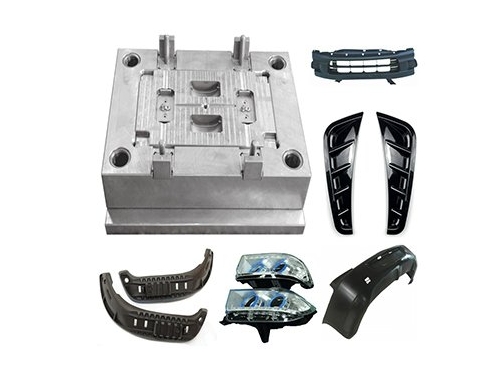
What is automotive plastic injection molding?
Plastic injection molding is fundamentally a specialized process designed to manufacture a diverse range of identical plastic items and components. Although the technique originated in the early 19th century, it remains an optimal method for producing intricate parts.
What is a mold in manufacturing?
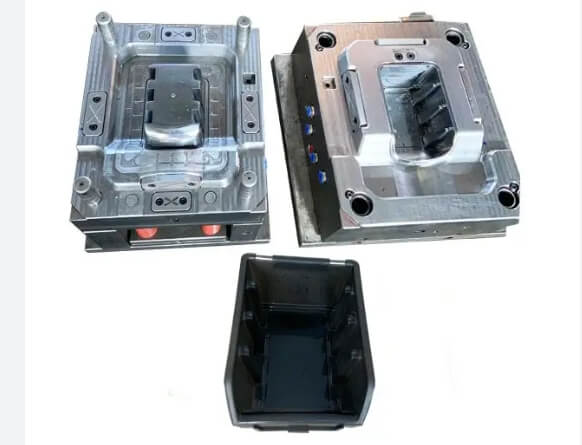
In manufacturing, molding is a specific process through which manufacturers shape a liquid or malleable raw material using a fixed frame, known as a matrix or mold. This mold, essentially a hollow cavity receptacle, is crafted from specific metals and serves as a vessel for pouring various liquid materials, including plastic, ceramic, metal, glass, and more, to create identical parts.
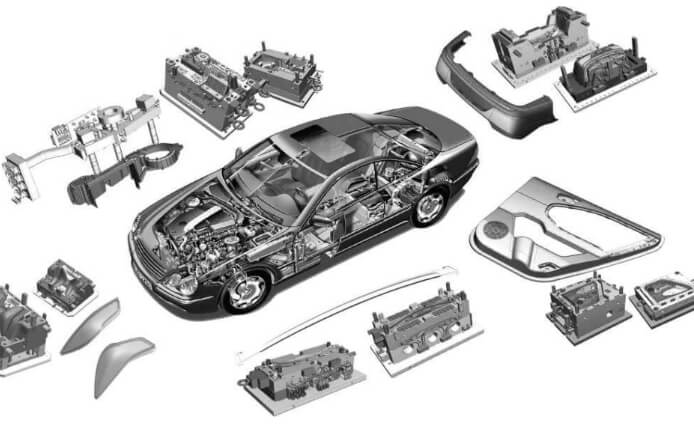
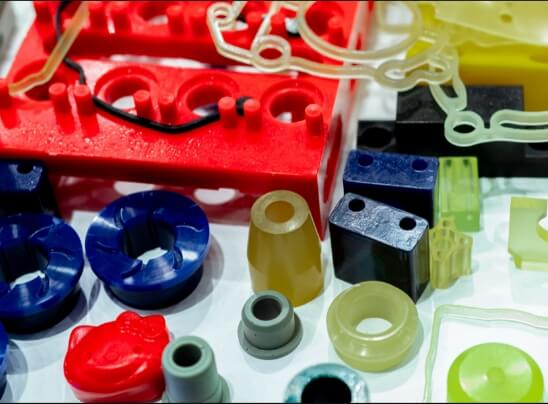
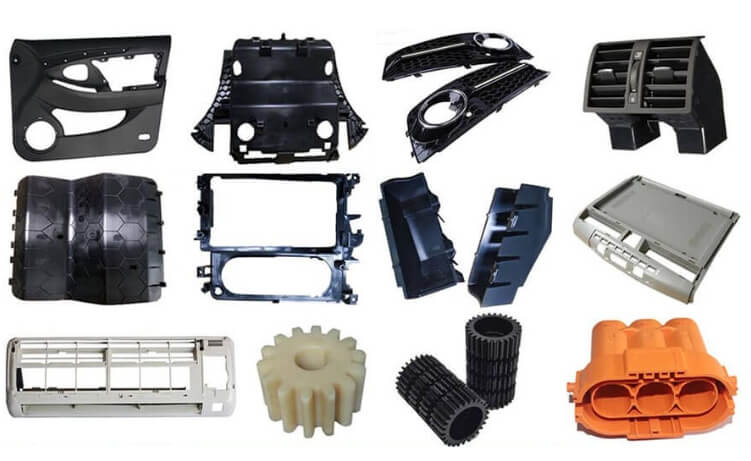
Plastic injection molding is a cost-effective approach for manufacturers. This method relies on custom-made molds of specific shapes, with automotive molds playing a significant role in producing various auto parts. These include items like pads and cushions, backlighting controls and buttons, acrylic lenses, and numerous other components.
In the contemporary landscape, plastic molded parts have gained widespread popularity globally due to their numerous advantages.
They can easily reduce the overall weight of automobile vehicles.
There is great flexibility in the material and colors
The plastic molded car parts have high strength.
All the automotive parts have high accuracy.
The manufacturers get the capability to add numerous details to automotive parts.
High-Speed Cutting Technology in Automotive Injection Molding
The application of high-speed cutting processing technology in the automotive mold manufacturing industry, both domestically and internationally, has yielded substantial benefits. Despite its widespread use, the mechanisms and associated theories of high-speed cutting processing remain incomplete, and a comprehensive high-speed cutting database specifically for automotive molds has yet to be established.
In practical terms, the utilization of high-speed cutting processing technology in the automotive mold manufacturing industry provides several advantages:
-
Enhanced Processing Speed: High-speed cutting technology accelerates the cutting speed of automotive molds, reaching rates ten times higher than those achieved through conventional cutting. The excitation frequency of high-speed machine tool spindles surpasses the natural frequency range of the "machine tool-tool-workpiece" system, ensuring a smooth processing process without impact.
-
Increased Production Efficiency: Employing high-speed machining centers or high-speed milling machines for mold machining enables the completion of profile roughing, finishing, and other automotive mold parts in a single workpiece clamping, known as "One Pass Machining." This application significantly accelerates the development speed of automotive molds.
-
Attainment of High-Quality Processing Surfaces: High-speed cutting processing technology, with its extremely small step distance and depth of cut, delivers high surface quality. This precision reduces the need for additional fitter trimming work.
-
Simplified Processing Procedures: High-speed cutting technology allows for machining post-quenching, eliminating the need for manual trimming or final formation by electric machining. Smaller diameter tools can be utilized to process smaller fillet radii and automotive mold details, reducing the need for additional machining or manual trimming and shortening the production cycle.
-
Facilitates Automotive Mold Repair: In the frequent repair processes that automotive molds undergo to extend their service life, the use of high-speed cutting processing ensures faster completion. Milling, instead of grinding, yields efficient processing, retains the original programming without reprogramming, and ensures accurate results.
The integration of high-speed cutting technology into automotive injection molding not only enhances processing speed and production efficiency but also contributes to the attainment of high-quality surfaces, simplifies procedures, and facilitates the repair process for automotive molds.
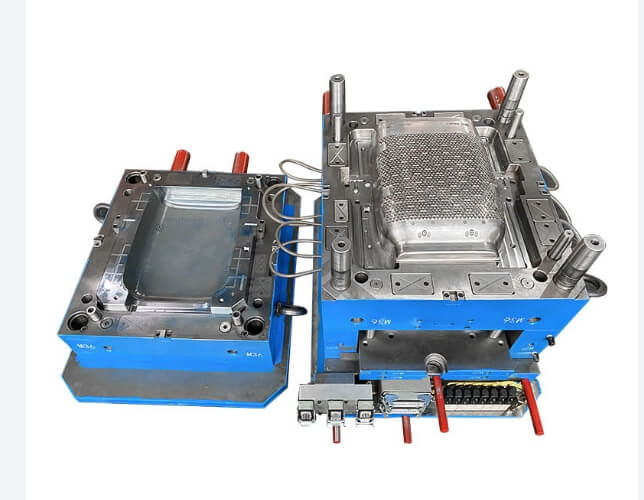
What are the Advantages of automotive injection molding?
Discover the key benefits of employing automotive injection molding:
-
Consistent Reproduction of Identical Parts: Automotive injection molding ensures the ability to consistently produce identical parts, a critical factor in the automotive industry where precision and uniformity are paramount.
-
Versatility in Material Selection: The process offers the flexibility to utilize a diverse range of materials for manufacturing automotive parts, allowing for customization based on specific requirements.
-
Superior Surface Finish and Precision: Injection molding delivers an exceptional surface finish with high precision, meeting the stringent quality standards required in automotive manufacturing.
-
Extensive Color Options: Enjoy a wide spectrum of color selections for your automobile parts, providing versatility in design and aesthetics.
Related Articles
 The Top Injection Molding Industry Leader 2026-02-24 0
 2026 Injection Molding Industry Leader 2026-02-24 0
 USA Top Custom Moulding Experts 2026-02-11 0
 2026 Architectural and Decorative Moulding Leaders in USA 2026-02-11 0
 2026 Top Industrial Plastic Injection Moulding Titans 2026-02-02 0
- 2026 Top Moulding Company 2026-02-02 0
- What Is an Aluminum Injection Mold and Why Is It Used 2026-01-19 0
 How Does Aluminum Material Grade Impact Mold Cost 2026-01-19 0
 The Cost of an Aluminum Injection Mold 2026-01-19 0
 What Affects the Cost of an Aluminum Injection Mold 2026-01-19 0
 What Is the Strength of the 7 Most Common Injection Molding Plastics 2026-01-12 0
 How Thick Can You Injection Mold Plastic 2026-01-12 0
 What Are the 7 Steps of PLC 2025-12-16 0
 What Is PLC in Injection Molding 2025-12-16 0
- What Is the Minimum Wall Thickness of the 7 Main Types of Plastic 2025-12-11 0
 Industry Standards or Guidelines for Wall Thickness by Application 2025-12-11 0
 Why Does Plastic Shrink More in Thick Sections in Injection Molding 2025-12-02 0
 The Strongest Plastic for Injection Molding 2025-12-02 0
- Why is Machine Assistance Essential in High-Demand Mould Shops 2025-11-20 0
 Common Defects and Limitations Must Mold Finishers Anticipate with CP 2025-11-20 0
