
Melting & Injection Injection Molding
author: CHEN
2025-03-24
Melting & Injection Injection Molding
Injection molding is the backbone of modern plastic manufacturing, creating everything from automotive components to medical devices with precision and efficiency. But what really happens when raw plastic transforms into a finished product? The key lies in the melting and injection process, where plastic takes shape inside the mold.
Let’s break it down step by step.
1. Heating the Plastic – From Solid to Molten State
The process begins with raw plastic material, usually in the form of small granules or pellets. These granules are fed into the hopper of an injection molding machine, where they begin their journey through a heated barrel.
How It Works:
- Material Enters the Barrel: The pellets drop from the hopper into the barrel, which contains a rotating screw.
- Gradual Heating: The barrel has multiple heating zones, each increasing in temperature to gradually melt the plastic.
- Shear Heat from the Screw: As the screw rotates, it pushes the material forward, generating frictional heat that assists in melting the plastic.
- Material Enters the Barrel: The pellets drop from the hopper into the barrel, which contains a rotating screw.
- Gradual Heating: The barrel has multiple heating zones, each increasing in temperature to gradually melt the plastic.
- Shear Heat from the Screw: As the screw rotates, it pushes the material forward, generating frictional heat that assists in melting the plastic.
Temperature Control Matters: Different plastics have different melting points. For example, polyethylene melts at around 130°C (266°F), while polycarbonate requires about 270°C (518°F). Precise temperature control ensures uniform melting and prevents material degradation.
2. Injection – Forcing Molten Plastic into the Mold
Once the plastic is fully melted and reaches the right viscosity, it's time for injection. At this stage, the screw inside the barrel acts like a plunger, forcing the molten plastic into the mold cavity under high pressure.
Key Factors in Injection:
- Injection Pressure: Can range from 10,000 to 30,000 psi to ensure the plastic completely fills the mold.
- Speed Control: Too fast can cause defects like warping; too slow may lead to incomplete filling.
- Shot Size: The amount of plastic injected must match the exact volume of the mold cavity.
- Injection Pressure: Can range from 10,000 to 30,000 psi to ensure the plastic completely fills the mold.
- Speed Control: Too fast can cause defects like warping; too slow may lead to incomplete filling.
- Shot Size: The amount of plastic injected must match the exact volume of the mold cavity.
Why Pressure Matters: If the pressure is too low, the mold may not fill completely, leading to defects like short shots. If it’s too high, it can cause flash (excess material spilling out of the mold).
3. Filling the Mold – The Plastic Takes Shape
As the molten plastic enters the mold cavity, it flows into every corner, taking on the exact shape of the mold.
What Affects Mold Filling?
- Gate Design: The entry point where plastic flows into the mold affects how smoothly the material fills.
- Flow Rate & Cooling Balance: If the plastic cools too quickly before filling is complete, it can lead to defects.
- Ventilation: Proper vents allow trapped air to escape, preventing air pockets or burn marks.
- Gate Design: The entry point where plastic flows into the mold affects how smoothly the material fills.
- Flow Rate & Cooling Balance: If the plastic cools too quickly before filling is complete, it can lead to defects.
- Ventilation: Proper vents allow trapped air to escape, preventing air pockets or burn marks.
Pro Tip: Manufacturers use simulation software to analyze how plastic will flow into a mold before production, ensuring proper filling and reducing waste.
4. Holding & Packing – Ensuring the Part is Defect-Free
After the mold is filled, the injection machine applies additional pressure to pack the material and eliminate voids or shrinkage.
What Happens in This Phase?
- Compensating for Shrinkage: Plastic naturally contracts as it cools, so extra material is injected to maintain shape.
- Pressure Holding Time: Typically lasts a few seconds, but varies depending on the part’s thickness and material type.
- Preventing Sink Marks: Proper packing ensures the surface remains smooth without indentations.
- Compensating for Shrinkage: Plastic naturally contracts as it cools, so extra material is injected to maintain shape.
- Pressure Holding Time: Typically lasts a few seconds, but varies depending on the part’s thickness and material type.
- Preventing Sink Marks: Proper packing ensures the surface remains smooth without indentations.
Why It’s Important: Incorrect holding pressure can lead to defects like air pockets, warping, or excessive stress inside the part.
The melting and injection phase is where plastic truly takes shape, and small adjustments in temperature, pressure, or flow rate can make a big difference in product quality. By optimizing each step—melting, injecting, filling, and packing—manufacturers ensure precision, strength, and durability in every molded part.
Understanding these details is crucial for injection molding manufacturers looking to improve efficiency, reduce waste, and deliver high-quality parts consistently.
Melting & Injection – How the Plastic Takes Shape: Common Problems and Prevention
The melting and injection process is a crucial step in plastic manufacturing, where plastic material is melted and injected into molds to form various products. While this process can yield high-quality items, several common problems can arise, affecting the final product’s appearance, strength, and performance. In this article, we’ll discuss some of the most common issues encountered during this process and provide tips on how to prevent them to ensure optimal results.
1.Inconsistent Melt Temperature
One of the most common issues in plastic injection molding is inconsistent melt temperature. If the temperature is too high, the plastic can degrade, leading to poor product quality. On the other hand, if the temperature is too low, the plastic may not flow properly, resulting in incomplete mold filling and weak parts.
To prevent this issue, ensure that the melt temperature is set correctly for the type of plastic being used. Regular calibration and maintenance of the injection molding machine’s temperature control systems are essential for maintaining consistency. Invest in high-quality temperature controllers that help maintain precise temperature levels throughout the process.
To prevent this issue, ensure that the melt temperature is set correctly for the type of plastic being used. Regular calibration and maintenance of the injection molding machine’s temperature control systems are essential for maintaining consistency. Invest in high-quality temperature controllers that help maintain precise temperature levels throughout the process.
2. Air Traps & Voids
Air traps occur when air gets trapped inside the mold, often leading to voids or bubbles in the plastic parts. This can result in visual defects and compromise the structural integrity of the molded product.
Ensure proper venting of the mold. The venting channels allow air to escape during the injection process. Additionally, using a slower injection speed can help prevent air from being trapped in the mold. Regularly check the mold’s venting system to ensure it is clear of blockages.
Ensure proper venting of the mold. The venting channels allow air to escape during the injection process. Additionally, using a slower injection speed can help prevent air from being trapped in the mold. Regularly check the mold’s venting system to ensure it is clear of blockages.
3. Short Shots
A short shot occurs when the injected plastic does not completely fill the mold, leaving gaps or incomplete parts. This is often due to insufficient injection pressure or an inadequate injection speed.
To prevent short shots, increase the injection pressure to ensure the plastic fills the mold cavity fully. Additionally, adjusting the injection speed can help improve mold filling. In some cases, increasing the mold temperature or using a material with better flow properties can also help eliminate short shots.
To prevent short shots, increase the injection pressure to ensure the plastic fills the mold cavity fully. Additionally, adjusting the injection speed can help improve mold filling. In some cases, increasing the mold temperature or using a material with better flow properties can also help eliminate short shots.
4. Flash
Flash refers to excess plastic material that escapes from the mold cavity, typically along the parting line. It is caused by improper mold closure or excessive injection pressure.
Ensure that the mold closes properly and that the clamp force is adequate to prevent material from leaking out. Adjusting the injection pressure to the proper levels can also help reduce the occurrence of flash. Regularly inspect the mold for signs of wear and tear that may affect the mold’s ability to close tightly.
Ensure that the mold closes properly and that the clamp force is adequate to prevent material from leaking out. Adjusting the injection pressure to the proper levels can also help reduce the occurrence of flash. Regularly inspect the mold for signs of wear and tear that may affect the mold’s ability to close tightly.
5. Burn Marks
Burn marks are dark spots or discolorations on the plastic surface, usually caused by overheating or trapped gases. These marks not only affect the aesthetics of the part but can also indicate that the plastic is being over-processed.
Adjust the barrel temperature to prevent overheating of the plastic. In addition, managing the injection speed and cooling time is crucial to avoid thermal degradation. Lowering the temperature and employing faster cooling can help prevent burn marks from appearing.
Adjust the barrel temperature to prevent overheating of the plastic. In addition, managing the injection speed and cooling time is crucial to avoid thermal degradation. Lowering the temperature and employing faster cooling can help prevent burn marks from appearing.
6. Warping
Warping is the distortion of a molded plastic part as it cools unevenly. This issue can cause parts to become bent, twisted, or misaligned, affecting their overall functionality and quality.
To minimize warping, ensure that the cooling process is uniform. Proper mold design, including the use of well-placed cooling channels, can help cool the mold evenly. Additionally, adjusting the cooling time and temperature is key to preventing internal stresses that lead to warping.
To minimize warping, ensure that the cooling process is uniform. Proper mold design, including the use of well-placed cooling channels, can help cool the mold evenly. Additionally, adjusting the cooling time and temperature is key to preventing internal stresses that lead to warping.
7. Mold Wear
Over time, continuous use of the injection mold can lead to wear, affecting the mold’s performance and the quality of the final product. Mold wear can cause issues such as surface defects, poor part ejection, and inconsistent results.
Routine maintenance, lubrication, and periodic inspection of the mold are essential to preventing excessive wear. Regularly replace worn-out components and perform preventive maintenance to extend the mold's lifespan and ensure consistent product quality.
Routine maintenance, lubrication, and periodic inspection of the mold are essential to preventing excessive wear. Regularly replace worn-out components and perform preventive maintenance to extend the mold's lifespan and ensure consistent product quality.
8. Overpacking
Overpacking occurs when too much material is injected into the mold, causing excessive pressure during injection. This can lead to part deformation, internal stress, and other issues that negatively affect the part’s quality.
To prevent overpacking, adjust the injection pressure and clamp force to ensure the correct amount of material is injected. Reducing the cooling time or injection speed can also help prevent the overpacking of the mold, ensuring that the part retains its desired shape and properties.
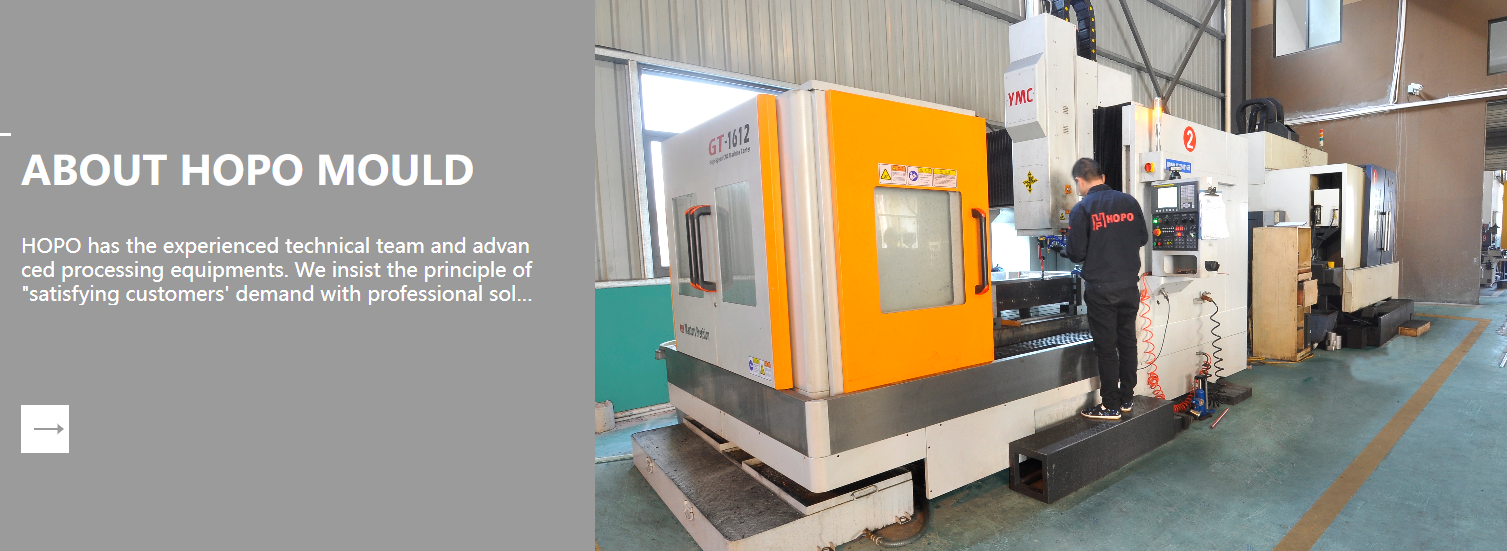
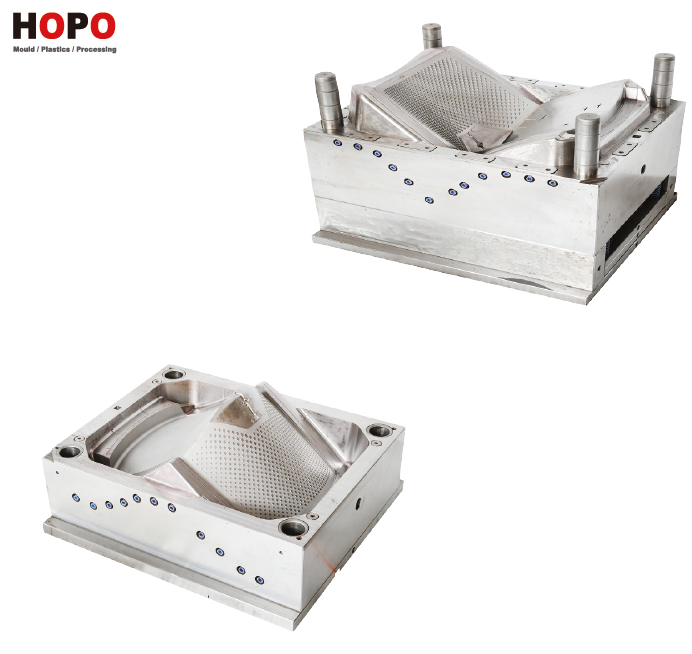
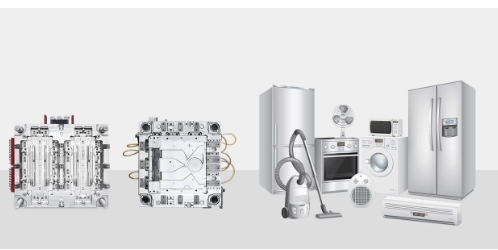
TAIZHOU HOPO MOULD & PLASTIC TECHNOLOGY CO., LTD is a professional plastic injection mould maker and relevant plastic products manufacturer established in 2012. Our Factory is in Zhejiang, China. We enjoy convenient land, water and air transportation, so we could provide short delivery time once the production finished. HOPO offer many kinds of high quality moulds, including daily use commodity moulds, home appliance moulds, automotive moulds, pipe fitting moulds and industrial products moulds, also could directy offer you those relevant plastic parts prodcution.
The melting and injection molding process plays a vital role in shaping plastic products, but several common problems can arise during production. By understanding these issues and implementing preventive measures, manufacturers can ensure the production of high-quality, consistent plastic parts. Regular machine maintenance, mold inspections, and careful monitoring of process variables such as temperature, pressure, and cooling can go a long way in eliminating defects and improving overall production efficiency.
Related Articles
 The Top Injection Molding Industry Leader 2026-02-24 0
 2026 Injection Molding Industry Leader 2026-02-24 0
 USA Top Custom Moulding Experts 2026-02-11 0
 2026 Architectural and Decorative Moulding Leaders in USA 2026-02-11 0
 2026 Top Industrial Plastic Injection Moulding Titans 2026-02-02 0
- 2026 Top Moulding Company 2026-02-02 0
- What Is an Aluminum Injection Mold and Why Is It Used 2026-01-19 0
 How Does Aluminum Material Grade Impact Mold Cost 2026-01-19 0
 The Cost of an Aluminum Injection Mold 2026-01-19 0
 What Affects the Cost of an Aluminum Injection Mold 2026-01-19 0
 What Is the Strength of the 7 Most Common Injection Molding Plastics 2026-01-12 0
 How Thick Can You Injection Mold Plastic 2026-01-12 0
 What Are the 7 Steps of PLC 2025-12-16 0
 What Is PLC in Injection Molding 2025-12-16 0
- What Is the Minimum Wall Thickness of the 7 Main Types of Plastic 2025-12-11 0
 Industry Standards or Guidelines for Wall Thickness by Application 2025-12-11 0
 Why Does Plastic Shrink More in Thick Sections in Injection Molding 2025-12-02 0
 The Strongest Plastic for Injection Molding 2025-12-02 0
- Why is Machine Assistance Essential in High-Demand Mould Shops 2025-11-20 0
 Common Defects and Limitations Must Mold Finishers Anticipate with CP 2025-11-20 0
