What are the parts of a plastic injection molding machine?
author: HOPO MOULD
2024-12-10
Key Components of an Injection Molding Machine
Injection Unit
The injection unit is responsible for melting the plastic and injecting it into the mold. It comprises several critical components:
- Hopper: The hopper is where the plastic pellets or granules are loaded into the machine. It feeds the raw material into the barrel. The hopper often has a drying system to remove moisture from the plastic pellets, as moisture can cause defects in the final product.
- Barrel: The barrel houses the screw and is heated to melt the plastic pellets. The barrel is equipped with heaters that raise the temperature to the melting point of the plastic. The temperature is precisely controlled to ensure consistent melting and flow of the plastic.
- Screw: The screw rotates and moves axially within the barrel to convey, melt, and inject the plastic into the mold. It is critical for mixing and homogenizing the plastic material. The screw design varies depending on the type of plastic being processed and the requirements of the part being produced. Screws can have different zones for feeding, compressing, and metering the plastic.
- Nozzle: The nozzle directs the molten plastic into the mold. It connects the barrel to the mold and ensures a smooth flow of plastic into the mold cavity. The nozzle must be heated to prevent the plastic from solidifying before it enters the mold.
The injection unit is responsible for melting the plastic and injecting it into the mold. It comprises several critical components:
- Hopper: The hopper is where the plastic pellets or granules are loaded into the machine. It feeds the raw material into the barrel. The hopper often has a drying system to remove moisture from the plastic pellets, as moisture can cause defects in the final product.
- Barrel: The barrel houses the screw and is heated to melt the plastic pellets. The barrel is equipped with heaters that raise the temperature to the melting point of the plastic. The temperature is precisely controlled to ensure consistent melting and flow of the plastic.
- Screw: The screw rotates and moves axially within the barrel to convey, melt, and inject the plastic into the mold. It is critical for mixing and homogenizing the plastic material. The screw design varies depending on the type of plastic being processed and the requirements of the part being produced. Screws can have different zones for feeding, compressing, and metering the plastic.
- Nozzle: The nozzle directs the molten plastic into the mold. It connects the barrel to the mold and ensures a smooth flow of plastic into the mold cavity. The nozzle must be heated to prevent the plastic from solidifying before it enters the mold.
Clamping Unit
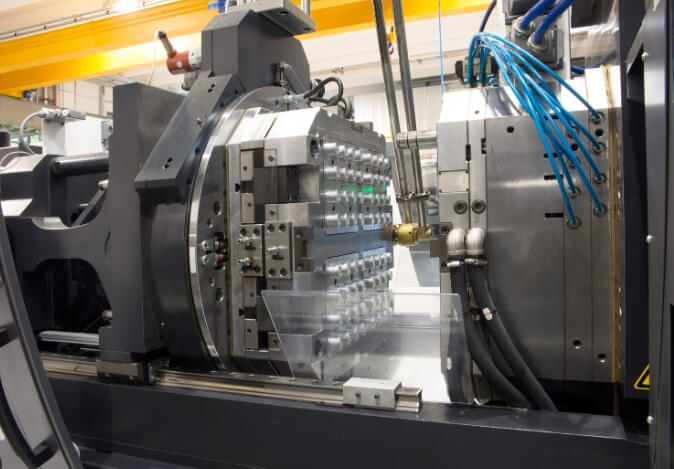
The clamping unit holds the mold in place and ensures that it remains closed during the injection process. It consists of several key components:
- Fixed Platen: The fixed platen holds one half of the mold. It remains stationary during the injection process. The fixed platen is mounted to the machine's frame and provides a stable base for the mold.
- Movable Platen: The movable platen holds the other half of the mold and moves to open and close the mold during the injection cycle. The movable platen is connected to the clamping mechanism, which applies the necessary force to keep the mold closed during injection.
- Tie Bars: Tie bars are robust metal rods that guide and support the movable platen. They provide structural integrity to the clamping unit. The number and size of the tie bars depend on the size and clamping force of the machine.
- Clamp Cylinder: The clamp cylinder is a hydraulic or electric mechanism that provides the force needed to open and close the mold and keep it securely closed during injection. Hydraulic clamp cylinders are common in larger machines, while electric clamp cylinders are used in smaller machines for greater precision and energy efficiency.
The clamping unit holds the mold in place and ensures that it remains closed during the injection process. It consists of several key components:
- Fixed Platen: The fixed platen holds one half of the mold. It remains stationary during the injection process. The fixed platen is mounted to the machine's frame and provides a stable base for the mold.
- Movable Platen: The movable platen holds the other half of the mold and moves to open and close the mold during the injection cycle. The movable platen is connected to the clamping mechanism, which applies the necessary force to keep the mold closed during injection.
- Tie Bars: Tie bars are robust metal rods that guide and support the movable platen. They provide structural integrity to the clamping unit. The number and size of the tie bars depend on the size and clamping force of the machine.
- Clamp Cylinder: The clamp cylinder is a hydraulic or electric mechanism that provides the force needed to open and close the mold and keep it securely closed during injection. Hydraulic clamp cylinders are common in larger machines, while electric clamp cylinders are used in smaller machines for greater precision and energy efficiency.
Mold
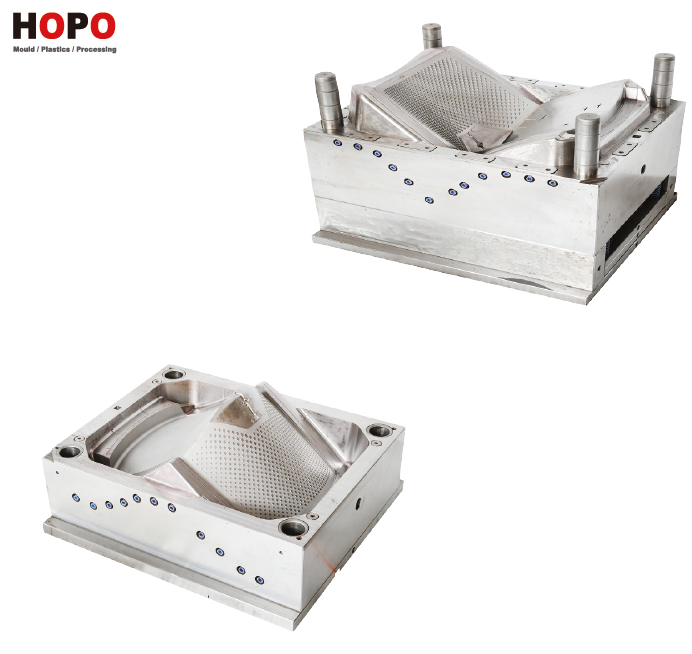
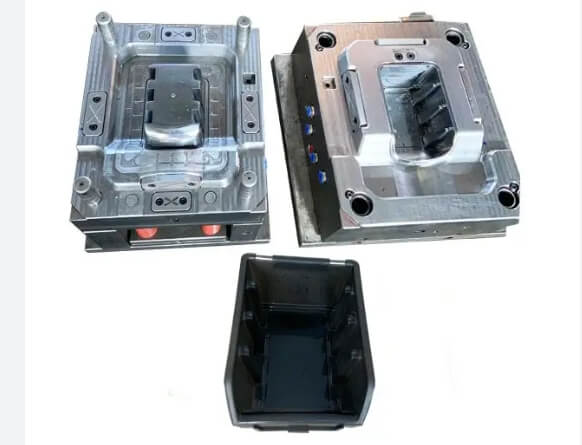
The mold is the heart of the injection molding process, as it shapes the final plastic product. It consists of two halves: the mold cavity and the core. The mold also includes the following components:
- Mold Cavity: The mold cavity is the hollow part of the mold that shapes the final plastic product. It is typically made from high-strength steel or aluminum. The cavity design determines the shape, surface finish, and features of the molded part.
- Core: The core is the male part of the mold that forms the interior surfaces of the molded part. The core and cavity fit together to create the complete mold cavity where the plastic is injected.
- Ejector System: The ejector system pushes the finished part out of the mold after it has solidified. It includes ejector pins and plates. The ejector system is critical for ensuring that parts are removed from the mold without damage.
- Cooling Channels: Molds are equipped with cooling channels through which water or another coolant flows to remove heat from the mold and solidify the plastic. Proper cooling is essential for maintaining part quality and reducing cycle times.
The mold is the heart of the injection molding process, as it shapes the final plastic product. It consists of two halves: the mold cavity and the core. The mold also includes the following components:
- Mold Cavity: The mold cavity is the hollow part of the mold that shapes the final plastic product. It is typically made from high-strength steel or aluminum. The cavity design determines the shape, surface finish, and features of the molded part.
- Core: The core is the male part of the mold that forms the interior surfaces of the molded part. The core and cavity fit together to create the complete mold cavity where the plastic is injected.
- Ejector System: The ejector system pushes the finished part out of the mold after it has solidified. It includes ejector pins and plates. The ejector system is critical for ensuring that parts are removed from the mold without damage.
- Cooling Channels: Molds are equipped with cooling channels through which water or another coolant flows to remove heat from the mold and solidify the plastic. Proper cooling is essential for maintaining part quality and reducing cycle times.
Control System
The control system manages the injection molding process, ensuring that all parameters are set correctly and monitored throughout the cycle. Key components of the control system include:
- Control Panel: The control panel allows operators to set and monitor various parameters of the injection molding process, such as temperature, pressure, and cycle time. Advanced control panels have touchscreen interfaces and user-friendly software for easy operation.
- Sensors and Feedback Systems: These systems provide real-time data to ensure precise control and consistency in the molding process. They monitor parameters like temperature, pressure, and position. Feedback from sensors allows the control system to make adjustments during the cycle to maintain optimal conditions.
- Programmable Logic Controllers (PLCs): PLCs are used to automate the injection molding process. They control the sequence of operations and ensure that each step is performed correctly. PLCs can be programmed to optimize cycle times and reduce waste.
The control system manages the injection molding process, ensuring that all parameters are set correctly and monitored throughout the cycle. Key components of the control system include:
- Control Panel: The control panel allows operators to set and monitor various parameters of the injection molding process, such as temperature, pressure, and cycle time. Advanced control panels have touchscreen interfaces and user-friendly software for easy operation.
- Sensors and Feedback Systems: These systems provide real-time data to ensure precise control and consistency in the molding process. They monitor parameters like temperature, pressure, and position. Feedback from sensors allows the control system to make adjustments during the cycle to maintain optimal conditions.
- Programmable Logic Controllers (PLCs): PLCs are used to automate the injection molding process. They control the sequence of operations and ensure that each step is performed correctly. PLCs can be programmed to optimize cycle times and reduce waste.
Hydraulic or Electric System
The hydraulic or electric system provides the power needed to operate the injection molding machine. The choice between hydraulic and electric systems depends on the specific requirements of the production process.
- Hydraulic Pumps and Motors: In hydraulic machines, these components generate the force required for injection and clamping. They drive the movement of the screw, platens, and other mechanical parts. Hydraulic systems are known for their high power and ability to handle large molds and high clamping forces.
- Electric Servo Motors: In electric machines, servo motors provide precise control over movements, improving energy efficiency and accuracy. Electric systems are ideal for applications requiring high precision and repeatability, such as the production of medical devices and electronic components.
The hydraulic or electric system provides the power needed to operate the injection molding machine. The choice between hydraulic and electric systems depends on the specific requirements of the production process.
- Hydraulic Pumps and Motors: In hydraulic machines, these components generate the force required for injection and clamping. They drive the movement of the screw, platens, and other mechanical parts. Hydraulic systems are known for their high power and ability to handle large molds and high clamping forces.
- Electric Servo Motors: In electric machines, servo motors provide precise control over movements, improving energy efficiency and accuracy. Electric systems are ideal for applications requiring high precision and repeatability, such as the production of medical devices and electronic components.
Functions and Importance of Each Component
Each component of an injection molding machine plays a crucial role in the overall process. Understanding their functions and importance helps optimize production and maintain part quality.
Injection Unit
- Function: The injection unit is responsible for melting and injecting the plastic material into the mold. It must ensure that the plastic is uniformly melted and injected at the correct pressure and speed.
- Importance: The quality of the melt and the precision of injection affect the final product's consistency and quality. Variations in temperature, pressure, or injection speed can result in defects such as incomplete filling, sink marks, or warping.
- Function: The injection unit is responsible for melting and injecting the plastic material into the mold. It must ensure that the plastic is uniformly melted and injected at the correct pressure and speed.
- Importance: The quality of the melt and the precision of injection affect the final product's consistency and quality. Variations in temperature, pressure, or injection speed can result in defects such as incomplete filling, sink marks, or warping.
Clamping Unit
- Function: The clamping unit ensures the mold is held securely during injection and the part is formed accurately. It must apply enough force to keep the mold closed against the pressure of the injected plastic.
- Importance: Proper clamping force is crucial to prevent defects such as flash or incomplete filling. Insufficient clamping force can cause the mold to open slightly during injection, resulting in flash. Excessive clamping force can damage the mold and reduce its lifespan.
- Function: The clamping unit ensures the mold is held securely during injection and the part is formed accurately. It must apply enough force to keep the mold closed against the pressure of the injected plastic.
- Importance: Proper clamping force is crucial to prevent defects such as flash or incomplete filling. Insufficient clamping force can cause the mold to open slightly during injection, resulting in flash. Excessive clamping force can damage the mold and reduce its lifespan.
Mold
- Function: The mold shapes the plastic into the desired form and includes cooling channels to solidify the plastic. The design of the mold cavity and core determines the final part's shape, dimensions, and surface finish.
- Importance: The mold's design and quality determine the shape, size, and surface finish of the final product. A well-designed mold ensures consistent part quality and minimizes defects. Proper cooling is essential for reducing cycle times and maintaining part quality.
- Function: The mold shapes the plastic into the desired form and includes cooling channels to solidify the plastic. The design of the mold cavity and core determines the final part's shape, dimensions, and surface finish.
- Importance: The mold's design and quality determine the shape, size, and surface finish of the final product. A well-designed mold ensures consistent part quality and minimizes defects. Proper cooling is essential for reducing cycle times and maintaining part quality.
Control System
- Function: The control system provides the interface for operators to manage the injection molding process, ensuring optimal conditions for each production run. It monitors and adjusts parameters in real-time to maintain consistent quality.
- Importance: Advanced control systems can enhance productivity and reduce waste by optimizing cycle times and ensuring consistent part quality. Accurate control of temperature, pressure, and timing is essential for producing high-quality parts.
- Function: The control system provides the interface for operators to manage the injection molding process, ensuring optimal conditions for each production run. It monitors and adjusts parameters in real-time to maintain consistent quality.
- Importance: Advanced control systems can enhance productivity and reduce waste by optimizing cycle times and ensuring consistent part quality. Accurate control of temperature, pressure, and timing is essential for producing high-quality parts.
Hydraulic or Electric System
- Function: The hydraulic or electric system provides the necessary power and precision to operate the machine. It drives the movement of the screw, platens, and other components.
- Importance: The choice between hydraulic and electric systems affects energy consumption, precision, and maintenance requirements. Hydraulic systems are ideal for high-power applications, while electric systems offer greater precision and energy efficiency.
- Function: The hydraulic or electric system provides the necessary power and precision to operate the machine. It drives the movement of the screw, platens, and other components.
- Importance: The choice between hydraulic and electric systems affects energy consumption, precision, and maintenance requirements. Hydraulic systems are ideal for high-power applications, while electric systems offer greater precision and energy efficiency.
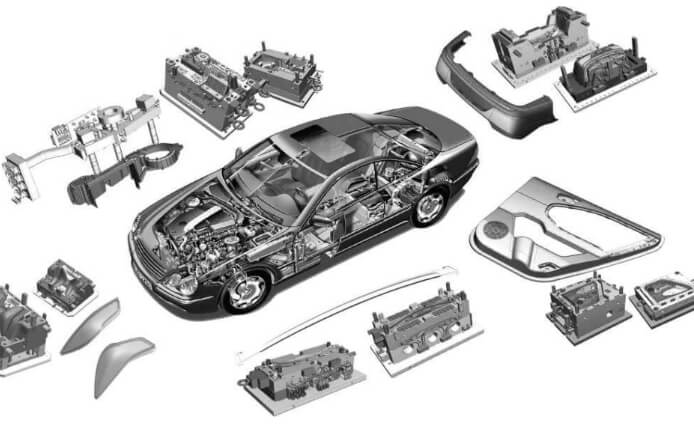
TAIZHOU HOPO MOULD & PLASTIC TECHNOLOGY CO., LTD is a professional plastic injection mould maker and relevant plastic products manufacturer established in 2012. Our Factory is in Zhejiang, China. We enjoy convenient land, water and air transportation, so we could provide short delivery time once the production finished. HOPO offer many kinds of high quality moulds, including daily use commodity moulds, home appliance moulds, automotive moulds, pipe fitting moulds and industrial products moulds, also could directy offer you those relevant plastic parts prodcution.
Related Articles
 The Top Injection Molding Industry Leader 2026-02-24 0
 2026 Injection Molding Industry Leader 2026-02-24 0
 USA Top Custom Moulding Experts 2026-02-11 0
 2026 Architectural and Decorative Moulding Leaders in USA 2026-02-11 0
 2026 Top Industrial Plastic Injection Moulding Titans 2026-02-02 0
- 2026 Top Moulding Company 2026-02-02 0
- What Is an Aluminum Injection Mold and Why Is It Used 2026-01-19 0
 How Does Aluminum Material Grade Impact Mold Cost 2026-01-19 0
 The Cost of an Aluminum Injection Mold 2026-01-19 0
 What Affects the Cost of an Aluminum Injection Mold 2026-01-19 0
 What Is the Strength of the 7 Most Common Injection Molding Plastics 2026-01-12 0
 How Thick Can You Injection Mold Plastic 2026-01-12 0
 What Are the 7 Steps of PLC 2025-12-16 0
 What Is PLC in Injection Molding 2025-12-16 0
- What Is the Minimum Wall Thickness of the 7 Main Types of Plastic 2025-12-11 0
 Industry Standards or Guidelines for Wall Thickness by Application 2025-12-11 0
 Why Does Plastic Shrink More in Thick Sections in Injection Molding 2025-12-02 0
 The Strongest Plastic for Injection Molding 2025-12-02 0
- Why is Machine Assistance Essential in High-Demand Mould Shops 2025-11-20 0
 Common Defects and Limitations Must Mold Finishers Anticipate with CP 2025-11-20 0
