
Pitting on Steel Molds from Injection Moulding
author: HOPO MOULD
2025-01-20
For injection molding, steel molds are essential for producing high-precision parts in industries such as automotive, medical devices, electronics, and more. However, these molds face wear and tear over time, with one of the most common issues being pitting—localized corrosion that results in small holes or depressions on the mold surface. Pitting not only reduces the life expectancy of molds but also leads to poor-quality molded parts. To help you avoid the costly consequences of pitting, let's explore the causes of pitting, its impact, and practical solutions for preventing and fixing it.
What is Pitting?
Pitting is a form of localized corrosion that manifests as small, deep holes or depressions on the surface of a steel mold. These pits are often caused by the interaction of the mold with aggressive substances, like moisture, chemicals, or certain molding materials. Pitting can result in an uneven surface finish, and these imperfections can transfer to the molded part, affecting product quality.
Even minor pitting, if left unchecked, can exacerbate mold degradation and lead to major repair or replacement costs. Early detection and effective management of pitting are crucial for preserving mold integrity.
Causes of Pitting on Steel Molds
Several factors can contribute to the formation of pitting on steel molds during the injection molding process:
1. Corrosion is the most common cause of pitting. When steel molds come into contact with certain plastic resins, chemicals, or additives during the injection molding process, the mold surface can begin to corrode. Molding materials that contain high levels of moisture or aggressive chemical additives can accelerate the corrosion process, leading to pitting.
2. Steel molds require regular maintenance to stay in optimal working condition. If molds are not cleaned after each use, residues from previous cycles can lead to the accumulation of moisture or corrosive chemicals. This increases the likelihood of pitting. Regular mold inspections are critical to identify early signs of pitting and address them before they worsen.
3. Injection molding involves frequent temperature fluctuations, with the mold experiencing both high temperatures during injection and cooling cycles afterward. These thermal cycles cause the mold material to expand and contract. Over time, the mold surface may experience cracks, especially if the temperature changes are rapid or uncontrolled. These cracks can quickly turn into pits, weakening the mold structure.
4. Continuous use of a mold, especially in high-production environments, causes natural wear. This wear can lead to micro-damage on the surface, which, when coupled with the forces of high-pressure injection, can turn into visible pitting. Inadequate lubrication during the molding cycle can exacerbate this wear, causing the mold to degrade more quickly.
5. When molds are stored in environments with excessive humidity or in contact with unprotected surfaces, the risk of corrosion increases. Steel molds should be stored in dry conditions, away from moisture and corrosive substances, to avoid early pitting.
The Impact of Pitting on Steel Molds
Pitting can have several negative consequences for both the mold and the manufacturing process:
1. Pitting accelerates the degradation of a steel mold. If pitting is not addressed promptly, the mold’s life expectancy can be drastically reduced, leading to frequent repairs or replacements. This not only increases maintenance costs but can also disrupt production schedules.
2. A mold with pits can transfer those defects to the molded parts, leading to imperfections on the product surface. This can result in lower-quality parts that may require rework or rejection. For industries that require high precision, such as medical device manufacturing or automotive components, even minor defects can compromise the entire production process.
3. Repairing or replacing a mold with severe pitting can be costly and time-consuming. Mold repairs often involve surface grinding, welding, or re-machining, all of which lead to significant downtime, affecting the overall efficiency of the production process. For high-volume manufacturers, this downtime can result in costly delays.
4. Pitted molds can lead to inconsistent injection results. The cavities where pitting occurs may cause uneven distribution of material, leading to parts with uneven dimensions, weak spots, or areas that are underfilled or overfilled.
How to Prevent Pitting on Steel Molds
The best way to deal with pitting is to prevent it in the first place. By implementing the following practices, you can protect your steel molds and keep them in optimal condition:
1. Ensure that molds are cleaned after every use to remove debris, chemicals, and moisture that may cause corrosion. Establish a regular maintenance schedule to inspect molds for signs of wear and corrosion. Early detection is key to preventing pitting from spreading.
2. Consider applying protective coatings such as hard chrome plating, nitriding, or electroless nickel plating to the mold surface. These coatings create a barrier that prevents the mold from coming into direct contact with molding materials, moisture, and chemicals, thus reducing the risk of corrosion and pitting.
3. Ensure that molds are adequately lubricated during the injection molding process. Lubricants reduce friction and help prevent unnecessary wear on the mold surface, protecting it from potential damage. Be sure to select the right type of lubricant for your specific mold material and resin.
4. Maintaining consistent and gradual temperature changes during the molding cycle is critical to prevent thermal stress and surface cracking. Adequate cooling and heating controls are necessary to avoid rapid temperature fluctuations that can lead to mold damage and pitting.
5. Select high-quality, corrosion-resistant steel for molds, such as H13 tool steel or P20 steel, which are known for their durability and resistance to corrosion. In addition, ensure that the plastic resins or additives used in the injection molding process are compatible with the mold material to minimize the risk of corrosion.
6. Store molds in a dry, climate-controlled environment when not in use. Protecting molds from humidity and corrosive substances will significantly reduce the risk of pitting. Cover molds with anti-corrosion wraps or sealants if they are to be stored for extended periods.
What to Do If Pitting Occurs
Even with the best prevention measures, pitting can still occur. Here’s how to address the issue if you notice pitting on your molds:
1. In minor cases, surface grinding can remove the pitted areas and smooth the surface. However, this method should be used carefully to avoid altering the mold’s dimensions or surface finish.
2. For deeper pits, welding can be used to fill the damaged areas. After welding, the mold needs to be re-machined to restore its original shape and smoothness.
3. Once the pitting is repaired, the mold should be polished to restore its original finish. Additionally, applying a protective coating such as chrome plating or nitriding can prevent future corrosion and extend the mold’s life.
Pitting on steel molds is a serious issue that can result in costly repairs, production downtime, and diminished product quality. By understanding the causes of pitting and implementing preventive measures like regular maintenance, temperature control, and using high-quality mold materials, you can significantly reduce the risk of corrosion. If pitting does occur, early detection and prompt repair will help minimize its impact on your injection molding operations. With proper care and attention, you can extend the lifespan of your molds and ensure consistent, high-quality production for your business.
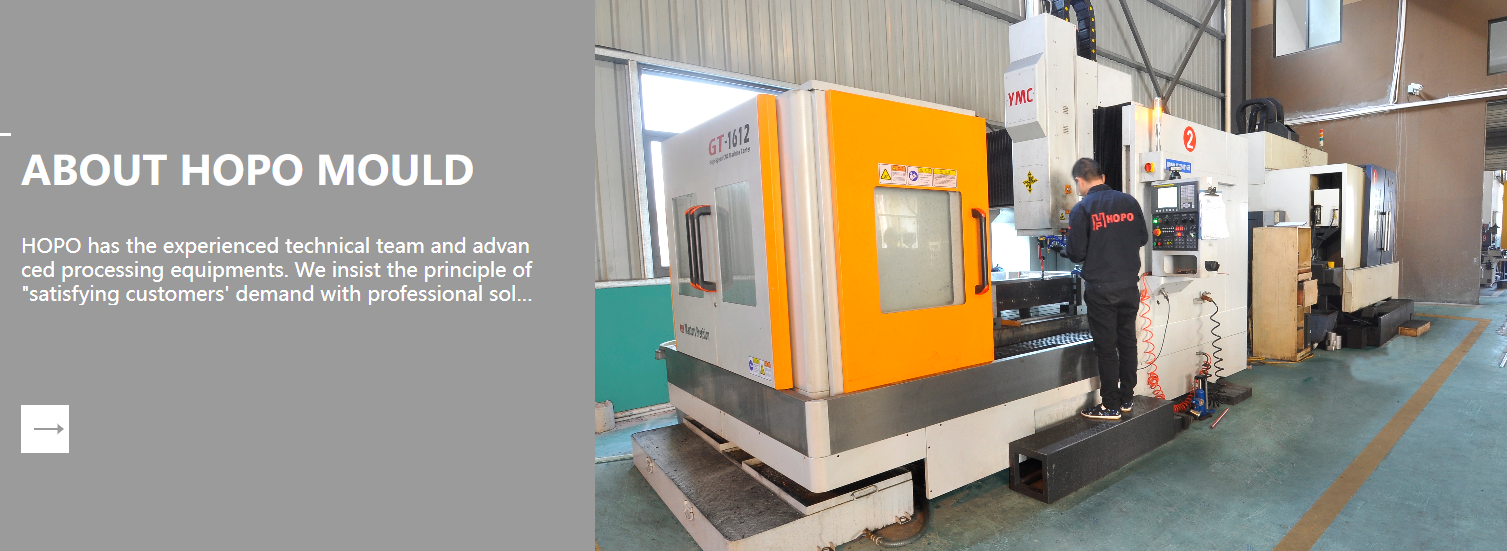
TAIZHOU HOPO MOULD & PLASTIC TECHNOLOGY CO., LTD is a professional plastic injection mould maker and relevant plastic products manufacturer established in 2012. Our Factory is in Zhejiang, China. We enjoy convenient land, water and air transportation, so we could provide short delivery time once the production finished. HOPO offer many kinds of high quality moulds, including daily use commodity moulds, home appliance moulds, automotive moulds, pipe fitting moulds and industrial products moulds, also could directy offer you those relevant plastic parts prodcution.
Related Articles
 The Top Injection Molding Industry Leader 2026-02-24 0
 2026 Injection Molding Industry Leader 2026-02-24 0
 USA Top Custom Moulding Experts 2026-02-11 0
 2026 Architectural and Decorative Moulding Leaders in USA 2026-02-11 0
 2026 Top Industrial Plastic Injection Moulding Titans 2026-02-02 0
- 2026 Top Moulding Company 2026-02-02 0
- What Is an Aluminum Injection Mold and Why Is It Used 2026-01-19 0
 How Does Aluminum Material Grade Impact Mold Cost 2026-01-19 0
 The Cost of an Aluminum Injection Mold 2026-01-19 0
 What Affects the Cost of an Aluminum Injection Mold 2026-01-19 0
 What Is the Strength of the 7 Most Common Injection Molding Plastics 2026-01-12 0
 How Thick Can You Injection Mold Plastic 2026-01-12 0
 What Are the 7 Steps of PLC 2025-12-16 0
 What Is PLC in Injection Molding 2025-12-16 0
- What Is the Minimum Wall Thickness of the 7 Main Types of Plastic 2025-12-11 0
 Industry Standards or Guidelines for Wall Thickness by Application 2025-12-11 0
 Why Does Plastic Shrink More in Thick Sections in Injection Molding 2025-12-02 0
 The Strongest Plastic for Injection Molding 2025-12-02 0
- Why is Machine Assistance Essential in High-Demand Mould Shops 2025-11-20 0
 Common Defects and Limitations Must Mold Finishers Anticipate with CP 2025-11-20 0
