
Quality Control Testing Methods Custom Plastic Parts
author: HOPO MOULD
2024-11-18
When it comes to custom plastic parts, achieving perfection isn’t just a goal—it’s a must. Every plastic part is designed to serve a specific function, and that means it needs to meet certain quality standards. But how do manufacturers know that a part is truly flawless? How do they make sure it's not just "good enough" but perfect for its intended use? The answer lies in a series of detailed testing methods that push each part to its limits before it ever leaves the factory floor.
Next HOPO will take us to find out testing methods that help manufacturers ensure custom plastic parts are up to the task, whether that’s standing up to wear and tear, performing in extreme temperatures, or simply fitting together perfectly.
1. Visual Inspections Catching the Obvious Problems Early
Before jumping into more complex tests, sometimes it’s all about taking a good look. A thorough visual inspection is often the first step in spotting any obvious flaws that could derail a project. It’s not just about making sure a part looks good (although that's important too) but about catching issues early on.
Inspectors will examine parts for:
- Surface defects, like scratches, cracks, or dents that might affect the part’s function.
- Color consistency, which can indicate potential mixing issues during production.
- Mold defects, such as uneven surfaces or flash (excess material around the edges), which can impact how the part fits or works.
- Color consistency, which can indicate potential mixing issues during production.
- Mold defects, such as uneven surfaces or flash (excess material around the edges), which can impact how the part fits or works.
A quick but careful visual check often catches minor issues before they escalate, saving time and money down the road.
2. Dimensional and Geometric Testing Getting the Size Just Right
We’ve all been frustrated when a part doesn't quite fit the way it’s supposed to. That’s why dimensional and geometric testing is so crucial in custom plastic part manufacturing. If the part is even a fraction of an inch off, it could result in a poor fit, malfunction, or outright failure.
Manufacturers use precision tools to measure parts against the original design specifications:
- Calipers and micrometers measure specific dimensions like thickness, length, and diameter. These tools are simple, but they’re incredibly effective for smaller, simpler parts.
- For more complex shapes, Coordinate Measuring Machines (CMM) take over. These machines use a probe to touch specific points on the part to ensure it matches the design down to the smallest detail.
- Laser scanning technology can even map out the entire shape of a part, comparing it to the original CAD design in 3D.
- For more complex shapes, Coordinate Measuring Machines (CMM) take over. These machines use a probe to touch specific points on the part to ensure it matches the design down to the smallest detail.
- Laser scanning technology can even map out the entire shape of a part, comparing it to the original CAD design in 3D.
If the part doesn’t pass this check, it gets sent back for rework or adjustments, ensuring that only the best parts move on to the next stage of production.
3. Mechanical Testing How Strong Is It Really?
Plastic parts often need to endure a lot of pressure or stress, whether that’s from being squeezed, bent, or exposed to rough conditions. To make sure they’re tough enough, mechanical testing puts the parts through their paces.
Different types of tests help determine how much force a part can handle before it breaks or deforms:
- Tensile testing is used to see how much pulling or stretching a material can endure before it snaps or loses its shape.
- Impact resistance testing simulates real-world situations where a part might get hit, dropped, or bumped. Tests like the Izod or Charpy tests help manufacturers understand how a part behaves under sudden impacts.
- Compression testing measures how well a part can handle being squeezed or compressed, which is especially important for seals or gaskets that need to retain their shape under pressure.
- Impact resistance testing simulates real-world situations where a part might get hit, dropped, or bumped. Tests like the Izod or Charpy tests help manufacturers understand how a part behaves under sudden impacts.
- Compression testing measures how well a part can handle being squeezed or compressed, which is especially important for seals or gaskets that need to retain their shape under pressure.
By pushing parts to their limits, manufacturers can make sure that each custom plastic part is tough enough for whatever job it’s designed for.
4. Thermal Testing Can It Handle the Heat (or the Cold)?
Not all custom plastic parts are created equal when it comes to temperature. Some parts will end up in hot environments, others in freezing conditions. That’s why thermal testing is an essential part of the process. It checks how a part reacts to extreme heat or cold, ensuring it won't warp, crack, or lose strength when exposed to temperature changes.
- Heat Deflection Temperature (HDT) testing measures how well a plastic can handle heat. It looks at the temperature at which the material begins to soften or lose its shape under stress.
- Thermal cycling tests how well the part can withstand rapid temperature fluctuations. It simulates conditions where a part goes from hot to cold repeatedly (think of an outdoor part that experiences seasonal temperature changes).
- Low-temperature impact testing checks whether a part becomes brittle when exposed to cold temperatures. For parts used in refrigerators or outdoors, this is crucial.
- Thermal cycling tests how well the part can withstand rapid temperature fluctuations. It simulates conditions where a part goes from hot to cold repeatedly (think of an outdoor part that experiences seasonal temperature changes).
- Low-temperature impact testing checks whether a part becomes brittle when exposed to cold temperatures. For parts used in refrigerators or outdoors, this is crucial.
Knowing that a part can handle the heat—or the chill—before it’s ever put into use is a huge relief for manufacturers and consumers alike.
5. Material Testing Is It the Right Material for the Job?
It all starts with the material, and material testing makes sure that the plastic chosen for the part is the right one. Different plastics have different characteristics, and selecting the wrong material could cause failure down the road. Testing helps determine that the material used will perform as expected.
- Differential Scanning Calorimetry (DSC) analyzes how the plastic responds to heat, showing things like its melting point or how it behaves when cooled.
- Fourier Transform Infrared Spectroscopy (FTIR) helps identify the chemical composition of the material, making sure it's exactly what it’s supposed to be.
- Rheological testing measures how the material flows when it’s melted. This helps predict how the material will behave during the molding process.
- Fourier Transform Infrared Spectroscopy (FTIR) helps identify the chemical composition of the material, making sure it's exactly what it’s supposed to be.
- Rheological testing measures how the material flows when it’s melted. This helps predict how the material will behave during the molding process.
Getting the material right from the start ensures the part will hold up over time, whether it’s a part that needs to be tough, flexible, or resistant to heat.
6. Environmental Testing Will It Survive the Elements?
Finally, there are parts that have to survive harsh environments—whether that’s exposure to the sun, saltwater, or extreme humidity. Environmental testing helps make sure the part can stand up to these conditions without deteriorating.
- UV testing simulates prolonged exposure to sunlight to see if the part will fade, crack, or degrade over time.
- Salt spray testing checks how well the part holds up in salty conditions, which is particularly important for parts that will be used near the ocean or in marine environments.
- Humidity testing looks at how the material holds up when exposed to moisture or damp environments, ensuring it doesn’t swell or lose its strength.
- Salt spray testing checks how well the part holds up in salty conditions, which is particularly important for parts that will be used near the ocean or in marine environments.
- Humidity testing looks at how the material holds up when exposed to moisture or damp environments, ensuring it doesn’t swell or lose its strength.
This type of testing is crucial for parts that will live outside, exposed to all kinds of weather. With environmental testing, manufacturers can feel confident that the parts will last as long as they’re needed.
Wrapping It All Up Testing for Perfection
When it comes to custom plastic parts, testing isn’t just a step in the process—it’s an essential part of delivering a reliable, high-quality product. From visual inspections and precision measurements to stress testing and environmental simulations, each test serves a critical role in ensuring that the part performs flawlessly.
By putting parts through these rigorous checks, manufacturers can be confident that they’ve done everything to ensure the final product will stand up to the demands of its environment and function as intended. With these testing methods, custom plastic parts are guaranteed to be tough, reliable, and ready for action, whatever that might be.
At the end of the day, it’s all about making sure that when a customer holds that part in their hands or installs it into their project, they know it’s perfect. And with the right testing, they can be sure of it.
TAIZHOU HOPO MOULD & PLASTIC TECHNOLOGY CO., LTD is a professional plastic injection mould maker and relevant plastic products manufacturer established in 2012. Our Factory is in Zhejiang, China. We enjoy convenient land, water and air transportation, so we could provide short delivery time once the production finished. HOPO offer many kinds of high quality moulds, including daily use commodity moulds, home appliance moulds, automotive moulds, pipe fitting moulds and industrial products moulds, also could directy offer you those relevant plastic parts prodcution.(End of the page has a short video of introduction of HOPO)
Related Articles
 The Top Injection Molding Industry Leader 2026-02-24 0
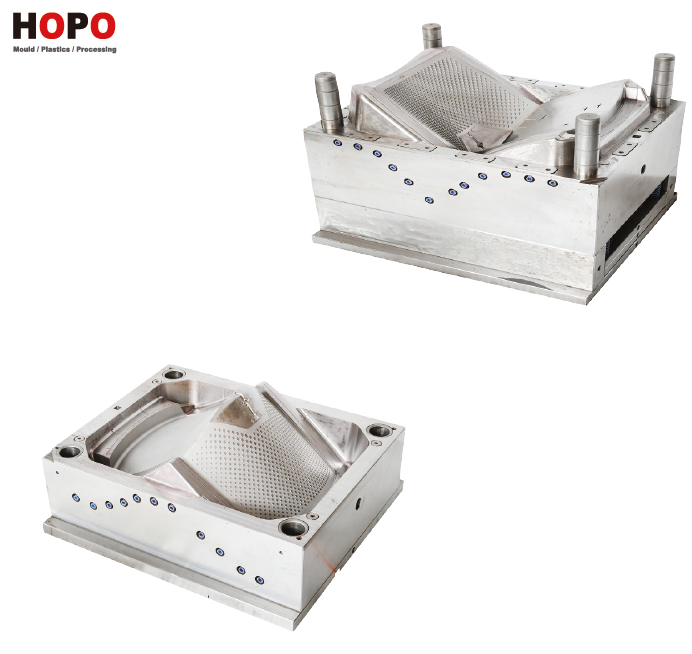 2026 Injection Molding Industry Leader 2026-02-24 0
 USA Top Custom Moulding Experts 2026-02-11 0
 2026 Architectural and Decorative Moulding Leaders in USA 2026-02-11 0
 2026 Top Industrial Plastic Injection Moulding Titans 2026-02-02 0
- 2026 Top Moulding Company 2026-02-02 0
- What Is an Aluminum Injection Mold and Why Is It Used 2026-01-19 0
 How Does Aluminum Material Grade Impact Mold Cost 2026-01-19 0
 The Cost of an Aluminum Injection Mold 2026-01-19 0
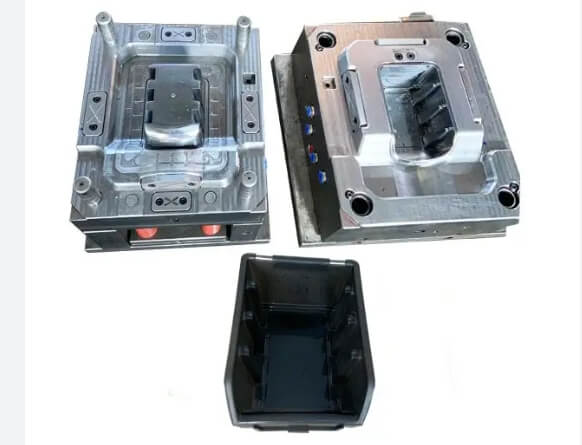 What Affects the Cost of an Aluminum Injection Mold 2026-01-19 0
 What Is the Strength of the 7 Most Common Injection Molding Plastics 2026-01-12 0
 How Thick Can You Injection Mold Plastic 2026-01-12 0
 What Are the 7 Steps of PLC 2025-12-16 0
 What Is PLC in Injection Molding 2025-12-16 0
- What Is the Minimum Wall Thickness of the 7 Main Types of Plastic 2025-12-11 0
 Industry Standards or Guidelines for Wall Thickness by Application 2025-12-11 0
 Why Does Plastic Shrink More in Thick Sections in Injection Molding 2025-12-02 0
 The Strongest Plastic for Injection Molding 2025-12-02 0
- Why is Machine Assistance Essential in High-Demand Mould Shops 2025-11-20 0
 Common Defects and Limitations Must Mold Finishers Anticipate with CP 2025-11-20 0
