
Steel Grades for Injection Molds
author: CHEN
2025-02-06
Everything You Need to Know About Steel Grades for Injection Molds
When it comes to choosing the right steel for injection molds, there’s a lot to consider. Each mold material has its own strengths and weaknesses, and the right choice depends on your production needs, material types, and budget. If you’re in the business of manufacturing products using injection molding, understanding steel grades is crucial. Below, we address some of the most frequently asked questions about steel grades for injection molds to help you make the best decision.
What Is the Most Common Steel Used in Injection Molding?
The P20 steel is often considered the go-to choice for many injection molding applications. It's widely used due to its versatility and cost-effectiveness. P20 is a pre-hardened steel, which means it provides a good balance between machinability and durability, making it an excellent option for medium-volume runs. It's typically used for general-purpose molds where a reliable, economical steel is required.
How Do I Choose the Right Steel Grade for My Injection Mold?
Choosing the right steel grade for your mold involves assessing several key factors:
- Material Being Molded: Different materials—such as plastics, metals, or composites—have different requirements for mold steels.
- Production Volume: Low, medium, or high production volumes will determine how much wear and tear the mold will endure.
- Heat Resistance: If your mold will be subjected to high temperatures, you’ll need a steel that can withstand those conditions without degrading.
- Wear and Corrosion Resistance: Some molding processes or materials can be abrasive, so durability against wear and corrosion is important.
- Finish Quality: If your mold requires a high-quality surface finish, you may need a steel that can support this level of precision.
- Material Being Molded: Different materials—such as plastics, metals, or composites—have different requirements for mold steels.
- Production Volume: Low, medium, or high production volumes will determine how much wear and tear the mold will endure.
- Heat Resistance: If your mold will be subjected to high temperatures, you’ll need a steel that can withstand those conditions without degrading.
- Wear and Corrosion Resistance: Some molding processes or materials can be abrasive, so durability against wear and corrosion is important.
- Finish Quality: If your mold requires a high-quality surface finish, you may need a steel that can support this level of precision.
By considering these factors, you can select a steel grade that matches your specific molding requirements.
Can I Use the Same Steel Grade for All Types of Injection Molding?
Not all steels are created equal, and one steel grade won’t work for every type of injection molding process. For example, P20 steel works well for general-purpose molding, but it may not be durable enough for high-temperature applications or long production runs.
For more demanding applications, H13 steel, known for its high heat resistance, would be a better choice. For applications involving abrasives, S7 steel offers enhanced toughness, while 420 stainless steel excels at resisting corrosion.
It’s essential to match the steel grade to the demands of the project to avoid premature mold wear and failure.
Why Is H13 Steel Considered a High-Performance Option for Injection Molds?
H13 steel is widely recognized as a premium steel choice for injection molding, particularly in industries that require high-performance tools. Known for its exceptional heat resistance and thermal fatigue resistance, H13 is ideal for applications exposed to high temperatures or rapid cooling cycles. This makes it an excellent choice for high-volume molding where the mold will undergo significant temperature variations.
In addition to its thermal properties, H13 offers excellent wear resistance, ensuring a longer mold life, especially when used with abrasive materials.
What’s the Difference Between Pre-Hardened and Hardened Steel for Injection Molds?
The terms pre-hardened and hardened refer to how the steel is treated before it is used in mold-making:
- Pre-hardened steel, such as P20, comes ready to use after being heat-treated to a specific hardness. This type of steel is more economical and easier to machine compared to hardened steel. It's an excellent option for standard mold-making tasks.
- Hardened steel, like H13 or S7, undergoes heat treatment after it’s been machined into the desired shape. This post-machining process results in a harder steel with enhanced wear resistance, which is especially useful for high-volume and high-performance applications.
- Hardened steel, like H13 or S7, undergoes heat treatment after it’s been machined into the desired shape. This post-machining process results in a harder steel with enhanced wear resistance, which is especially useful for high-volume and high-performance applications.
Hardened steel is typically more durable but can be more difficult to machine, which adds to the cost. Pre-hardened steel offers a faster, more cost-effective option, especially for molds with less stringent demands.
How Long Does a Mold Made From 1.2311 Steel Typically Last?
Steel grades like 1.2311 are known for their durability, particularly for molds used in medium-volume production runs. Molds made from this steel can last for hundreds of thousands of cycles, depending on the type of material being molded and the mold’s exposure to harsh conditions.
1.2311 steel is a reliable choice for industries that require molds with good wear resistance but don’t need to withstand the extreme temperatures that steels like H13 are designed for. With proper maintenance and care, molds made from this steel can have a long lifespan, making it a cost-effective option for many manufacturers.
How Does the Cost of Steel Affect the Choice of Mold Steel?
Cost is always a factor when selecting steel for injection molds. While premium steels like H13 offer superior performance, they come at a higher price. For less demanding applications, opting for a more affordable steel, such as P20, can still deliver reliable results without breaking the budget.
However, it’s important to consider not just the initial cost of the steel but also the long-term benefits. Higher-quality steels can offer greater durability, which means fewer replacements and less downtime, ultimately leading to more cost savings in the long run. When selecting a steel grade, manufacturers should weigh both upfront costs and the potential for long-term performance.
Can I Use Steel Injection Molds for Metals or Only Plastics?
While most people associate injection molding with plastic, steel molds can also be used for metal injection molding (MIM). MIM requires a mold that can handle higher temperatures and greater pressures, so steel grades like H13 and S7 are often preferred.
If you're molding metals or ceramics, you’ll need to ensure your steel mold has the necessary strength and heat resistance. Steels like S7 or H13 are excellent choices for these applications, while P20 or other lower-grade steels are better suited for plastic injection molding.
How Does Steel Hardness Affect Mold Performance?
The hardness of the steel is directly related to its wear resistance and durability. Harder steels, such as H13, can withstand more wear and provide better performance in high-stress environments. These molds are ideal for high-volume runs or when dealing with abrasive materials.
On the other hand, steels with lower hardness, such as P20, are easier to machine but may wear out faster. They are a good choice for low- to medium-volume production, where the wear and tear on the mold is less of a concern.
Harder steels provide better long-term performance but can be more difficult to work with and are costlier. Lower-hardness steels are easier to process but may need to be replaced more frequently.
What Is the Lifespan of a Steel Mold?
The lifespan of a steel mold depends largely on the steel grade used, the production conditions, and the material being molded. Molds made from high-performance steels like H13 or S7 can last for millions of cycles, even in demanding applications.
In contrast, molds for low-volume or non-abrasive molding jobs made from steels like P20 will generally last fewer cycles but are more affordable upfront.
With regular maintenance and proper care, the lifespan of an injection mold can be maximized, reducing the need for frequent replacements.
Selecting the right steel grade for your injection mold is a critical decision that can impact production efficiency, mold longevity, and overall costs. Whether you're choosing P20 for general-purpose molding or H13 for high-performance applications, understanding the properties of different steel grades will help ensure that your molds perform optimally. By keeping these FAQs in mind, you'll be better equipped to make informed decisions that align with your business needs.
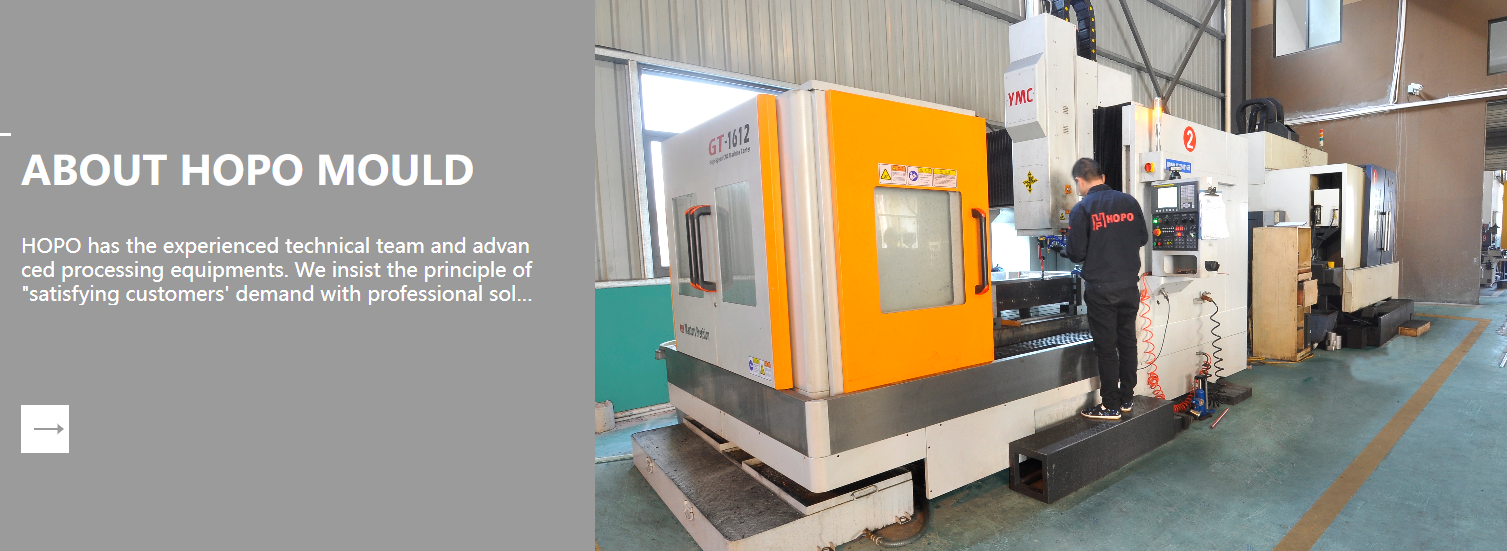
TAIZHOU HOPO MOULD & PLASTIC TECHNOLOGY CO., LTD is a professional plastic injection mould maker and relevant plastic products manufacturer established in 2012. Our Factory is in Zhejiang, China. We enjoy convenient land, water and air transportation, so we could provide short delivery time once the production finished. HOPO offer many kinds of high quality moulds, including daily use commodity moulds, home appliance moulds, automotive moulds, pipe fitting moulds and industrial products moulds, also could directy offer you those relevant plastic parts prodcution.
Related Articles
 The Top Injection Molding Industry Leader 2026-02-24 0
 2026 Injection Molding Industry Leader 2026-02-24 0
 USA Top Custom Moulding Experts 2026-02-11 0
 2026 Architectural and Decorative Moulding Leaders in USA 2026-02-11 0
 2026 Top Industrial Plastic Injection Moulding Titans 2026-02-02 0
- 2026 Top Moulding Company 2026-02-02 0
- What Is an Aluminum Injection Mold and Why Is It Used 2026-01-19 0
 How Does Aluminum Material Grade Impact Mold Cost 2026-01-19 0
 The Cost of an Aluminum Injection Mold 2026-01-19 0
 What Affects the Cost of an Aluminum Injection Mold 2026-01-19 0
 What Is the Strength of the 7 Most Common Injection Molding Plastics 2026-01-12 0
 How Thick Can You Injection Mold Plastic 2026-01-12 0
 What Are the 7 Steps of PLC 2025-12-16 0
 What Is PLC in Injection Molding 2025-12-16 0
- What Is the Minimum Wall Thickness of the 7 Main Types of Plastic 2025-12-11 0
 Industry Standards or Guidelines for Wall Thickness by Application 2025-12-11 0
 Why Does Plastic Shrink More in Thick Sections in Injection Molding 2025-12-02 0
 The Strongest Plastic for Injection Molding 2025-12-02 0
- Why is Machine Assistance Essential in High-Demand Mould Shops 2025-11-20 0
 Common Defects and Limitations Must Mold Finishers Anticipate with CP 2025-11-20 0
