When it comes to manufacturing high-performance, complex parts, injection molding is one of the most widely used techniques across various industries. Among the various injection molding methods, steel injection molding (SIM) stands out due to its ability to produce durable and precise metal parts. However, there are other injection molding methods that serve different needs, such as plastic injection molding, die casting, and lost wax casting. Understanding the differences between these methods is crucial for selecting the right one for your project. Below, we compare steel injection molding with other popular injection molding techniques.
1. Steel Injection Molding (SIM)
Steel injection molding (SIM) is a specialized technique where a mixture of fine steel powder and binder is injected into a mold to form metal parts. After injection, the binder is removed, and the part is sintered (heated) to fuse the steel particles into a solid, durable component.
Key Benefits of SIM:
- Precision: SIM allows for the creation of parts with extremely tight tolerances and intricate geometries.
- Strength and Durability: The final product is made of solid steel, providing excellent strength and performance, making it ideal for automotive, aerospace, and medical applications.
- Complex Geometries: SIM is ideal for producing parts with complex shapes that would be difficult to achieve using traditional metalworking methods.
Applications: Automotive parts, medical devices, aerospace components, and small machinery parts.
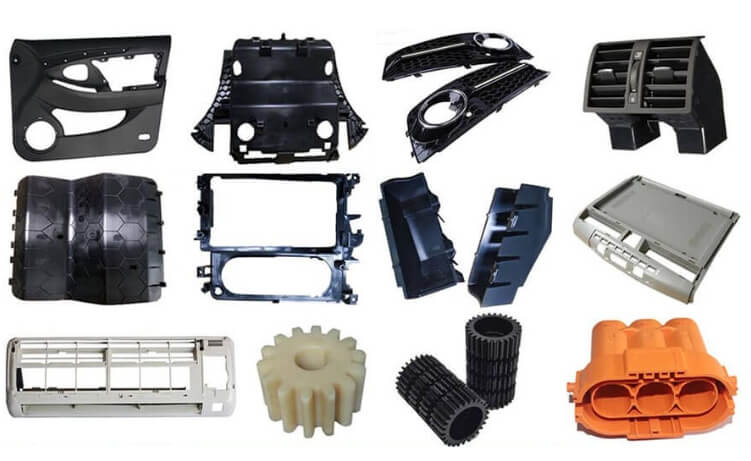
2. Plastic Injection Molding
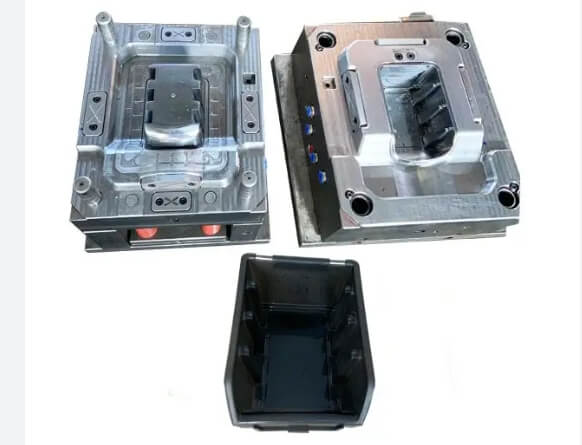
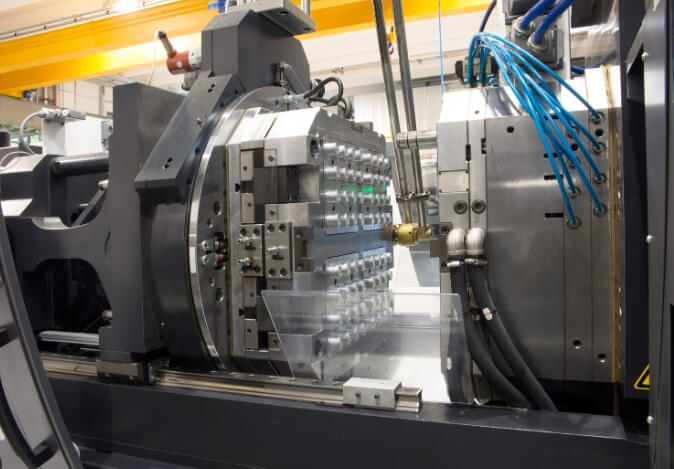
Plastic injection molding is the most common injection molding method. It involves injecting molten plastic into a mold cavity to create plastic parts, which are then cooled and ejected from the mold.
Key Benefits of Plastic Injection Molding:
- High Efficiency: Plastic injection molding is fast and cost-effective, especially for high-volume production.
- Versatility: A wide variety of plastic materials can be used, including thermoplastics, thermosets, and elastomers.
- Lower Cost: The materials and processes involved in plastic molding are generally cheaper compared to steel molding, making it ideal for producing large volumes of low-cost parts.
Applications: Consumer goods, packaging, automotive components, medical devices, and electronics.
Limitations:
- Durability: Unlike steel parts, plastic parts may not offer the same level of strength and durability, especially in demanding applications.
- Material Constraints: Plastic injection molding is limited to materials that are suitable for the molding process, and certain applications may require a higher level of material strength than plastic can provide.
3. Die Casting
Die casting is a process where molten metal (typically aluminum, zinc, or magnesium) is injected into a mold under high pressure to create metal parts. Unlike SIM, die casting typically uses a molten metal rather than a powder-metal mixture.
Key Benefits of Die Casting:
- Excellent Surface Finish: Die-cast parts often have a smooth surface finish and are suitable for parts that don’t require extensive post-processing.
- Faster Cycle Times: Die casting can produce parts faster than SIM because it doesn’t involve the debinding and sintering steps used in SIM.
- High Precision: Die casting can achieve high dimensional accuracy, making it suitable for parts that require precise measurements.
Applications: Automotive parts, consumer electronics, industrial components, and hardware.
Limitations:
- Limited Material Choices: Die casting is usually limited to non-ferrous metals like aluminum and zinc, making it less versatile for certain applications that require steel or stainless steel.
- Cost: The initial investment for die casting tooling and molds can be high, making it less cost-effective for small production runs.
4. Lost Wax Casting
Lost wax casting, also known as investment casting, is a process where a wax model of the part is coated with a ceramic shell. Once the shell hardens, the wax is melted away, leaving a mold cavity into which molten metal (usually steel, aluminum, or other alloys) is poured.
Key Benefits of Lost Wax Casting:
- Complex Geometries: Lost wax casting allows for the production of parts with very intricate shapes and fine details.
- Material Flexibility: This method can be used with various metals, including stainless steel, bronze, and brass.
- High Accuracy: Lost wax casting is highly accurate and can produce parts with excellent surface finishes and tight tolerances.
Applications: Jewelry, turbine blades, medical implants, and industrial components.
Limitations:
- Lower Efficiency: The process is slower compared to injection molding, especially for large-volume production.
- Higher Costs: Lost wax casting typically has higher per-part costs due to the complexity of the process and the need for specialized molds.
Key Differences Between Steel Injection Molding and Other Methods
|
Feature
|
Steel Injection Molding (SIM)
|
Plastic Injection Molding
|
Die Casting
|
Lost Wax Casting
|
|
Material
|
Steel powder mixed with binder
|
Thermoplastic or thermoset materials
|
Molten metal (aluminum, zinc, magnesium)
|
Wax model and molten metal
|
|
Part Strength
|
High (steel)
|
Lower (plastic)
|
High (metal)
|
High (metal)
|
|
Precision
|
High
|
High
|
High
|
Very High
|
|
Cycle Time
|
Longer (due to sintering)
|
Fast
|
Fast
|
Longer (due to wax removal)
|
|
Cost
|
Higher (due to tooling and sintering)
|
Lower (good for high volume)
|
High (due to tooling)
|
High (due to complexity)
|
|
Material Range
|
Limited to steel alloys
|
Wide variety of plastics
|
Limited to non-ferrous metals
|
Limited to metals (steel, aluminum)
|
|
Applications
|
Complex, durable parts
|
Mass production of plastic parts
|
Automotive, electronics, industrial parts
|
Jewelry, industrial components, aerospace
|
Which Method Should You Choose?
- Steel Injection Molding (SIM) is the go-to method when you need highly durable, complex metal parts with excellent precision for industries like aerospace, automotive, and medical devices.
- Plastic Injection Molding is the best choice when you need high-volume, cost-effective production of lightweight parts with good detail but without the need for extreme durability.
- Die Casting works well for producing high-precision, medium-sized metal parts, especially in automotive or consumer electronics, where surface finish and speed are crucial.
- Lost Wax Casting is perfect for creating detailed, high-accuracy metal parts for low-volume or specialty applications where complex shapes are required.
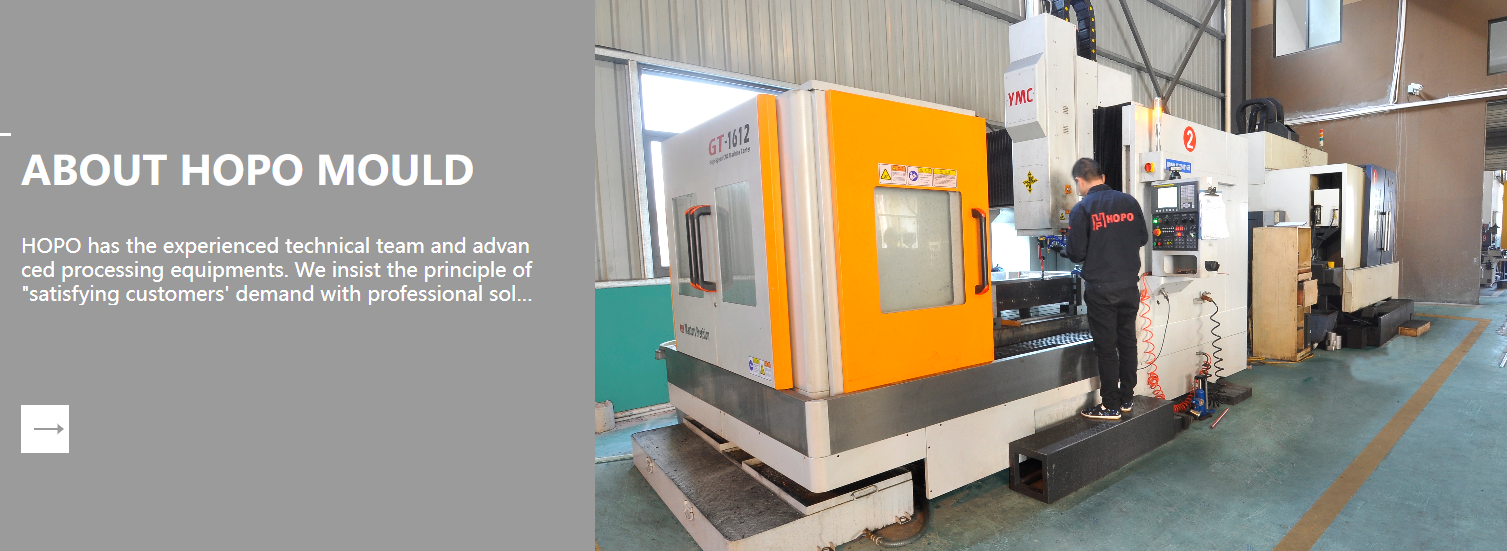
TAIZHOU HOPO MOULD & PLASTIC TECHNOLOGY CO., LTD is a professional plastic injection mould maker and relevant plastic products manufacturer established in 2012. Our Factory is in Zhejiang, China. We enjoy convenient land, water and air transportation, so we could provide short delivery time once the production finished. HOPO offer many kinds of high quality moulds, including daily use commodity moulds, home appliance moulds, automotive moulds, pipe fitting moulds and industrial products moulds, also could directy offer you those relevant plastic parts prodcution.
Each injection molding method has its unique strengths and limitations, and the best choice depends on the material, volume, precision, and durability requirements of your parts. Steel injection molding is a top choice for producing complex, high-strength components, especially when compared to methods like plastic injection molding and die casting, which have their own applications in industries requiring lighter and less durable components. Understanding these differences allows you to choose the most cost-effective and efficient method for your manufacturing needs.


 The Top Injection Molding Industry Leader 2026-02-24 0
 2026 Injection Molding Industry Leader 2026-02-24 0
 USA Top Custom Moulding Experts 2026-02-11 0
 2026 Architectural and Decorative Moulding Leaders in USA 2026-02-11 0
 2026 Top Industrial Plastic Injection Moulding Titans 2026-02-02 0
 How Does Aluminum Material Grade Impact Mold Cost 2026-01-19 0
 The Cost of an Aluminum Injection Mold 2026-01-19 0
 What Affects the Cost of an Aluminum Injection Mold 2026-01-19 0
 What Is the Strength of the 7 Most Common Injection Molding Plastics 2026-01-12 0
 How Thick Can You Injection Mold Plastic 2026-01-12 0
 What Are the 7 Steps of PLC 2025-12-16 0
 What Is PLC in Injection Molding 2025-12-16 0
 Industry Standards or Guidelines for Wall Thickness by Application 2025-12-11 0
 Why Does Plastic Shrink More in Thick Sections in Injection Molding 2025-12-02 0
 The Strongest Plastic for Injection Molding 2025-12-02 0
 Common Defects and Limitations Must Mold Finishers Anticipate with CP 2025-11-20 0