
How does the design of a part influence the complexity and cost of the injection mold?
author: HOPO
2024-06-26
How does the design of a part influence the complexity and cost of the injection mold?
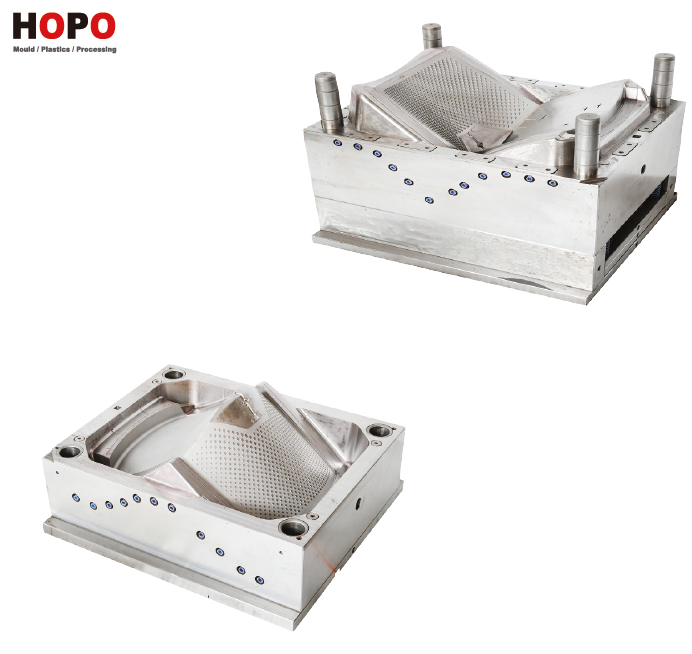
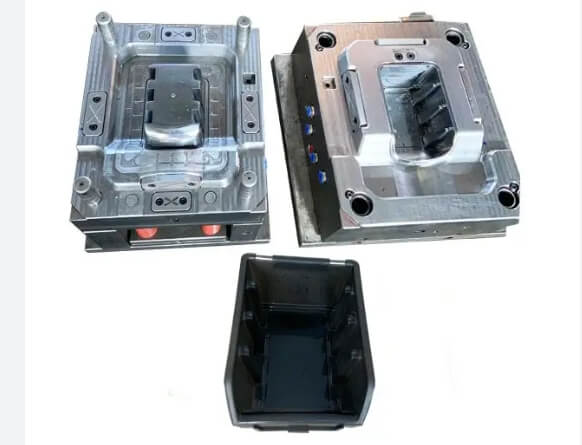
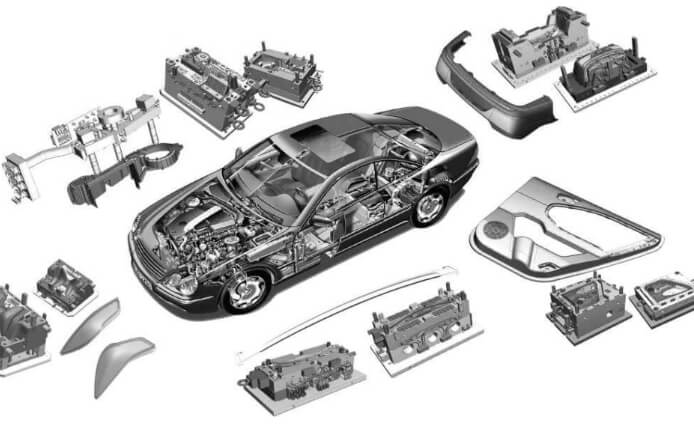
The design of a part plays a significant role in determining the complexity and cost of the injection mold needed to produce it. Here's a breakdown of how various design features can impact the mold which shared by HOPO Mould:
Factors that Increase Mold Complexity and Cost:
•Geometry: Intricate shapes with tight tolerances, undercuts (features that require cores or slides to remove the part from the mold), or thin walls will necessitate a more complex mold design with additional components like sliders, lifters, or cores. These additional mechanisms increase machining time and overall mold complexity, leading to higher costs.
•Surface Finish: A high-gloss or textured surface finish may require specialized mold polishing techniques or textured inserts, adding to mold development time and cost.
•Part Size: Larger parts necessitate larger molds, requiring more material and potentially a larger injection molding machine to handle the increased material volume. This translates to higher costs for both mold development and production.
•Material Selection: Certain materials, like those with high corrosiveness or requiring specific melt temperatures, might necessitate the use of special mold materials or surface treatments, increasing mold cost.
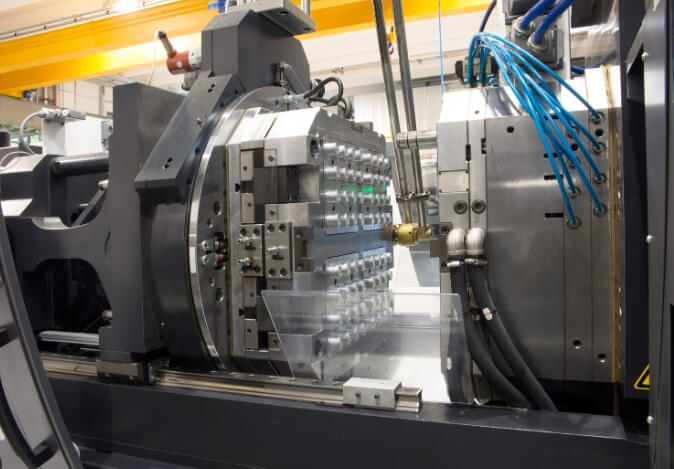
•Multi-Cavity Molds: While cost-effective for high-volume production, molds with multiple cavities to create several parts simultaneously require more complex machining and design considerations compared to single-cavity molds.
Design Choices for a Simpler, More Cost-Effective Mold:
•Simpler Geometry: Parts with simpler shapes, rounded corners, and draft angles (a slight taper on the walls to assist with part removal) are easier to manufacture using a simpler mold design, reducing costs.
•Uniform Wall Thickness: Maintaining consistent wall thickness throughout the part ensures even cooling and reduces the risk of warping or sink marks. This simplifies mold design and avoids the need for complex cooling channels.
•Standard Surface Finish: A smooth, matte finish is the easiest and most cost-effective to achieve from a mold-making standpoint. Avoid specifying overly high-gloss finishes or intricate textures unless absolutely necessary.
•Part Consolidation: Consider if specific features can be integrated into the part during the design phase, rather than requiring separate components. This can potentially reduce the number of parts needed and simplify the mold design.
During the design phase, collaborating with an experienced injection molding manufacturer can be highly beneficial. Their expertise can help you identify design features that might be driving up mold complexity and suggest alternative approaches to achieve the desired functionality with a simpler, more cost-effective mold design.
What factors should I consider when choosing an injection mold manufacturer?
Injection molding is a cornerstone of plastic part production, and selecting the right manufacturer is crucial for a successful outcome. Here's a comprehensive breakdown of key factors to consider when making this important decision:
Expertise and Experience:
•Industry Knowledge: Look for a manufacturer with experience in your specific industry or with parts similar to yours. Their understanding of the relevant applications, potential challenges (e.g., meeting regulatory requirements for medical devices or ensuring food-grade safety for containers), and material selection for optimal performance will be invaluable.
•Track Record: Research the manufacturer's past projects and client testimonials to assess their quality standards, ability to deliver on time and within budget, and experience with similar projects. Look for case studies or examples that align with your project's complexity and requirements.
•Mold Complexity: Match your project's complexity with the manufacturer's capabilities. Do they have experience with molds of similar intricacy or with the specific features your design requires? Inquire about their expertise in areas like multi-cavity molds, hot runner systems, or insert molding if your design necessitates such features.
Manufacturing Capabilities and Technology:
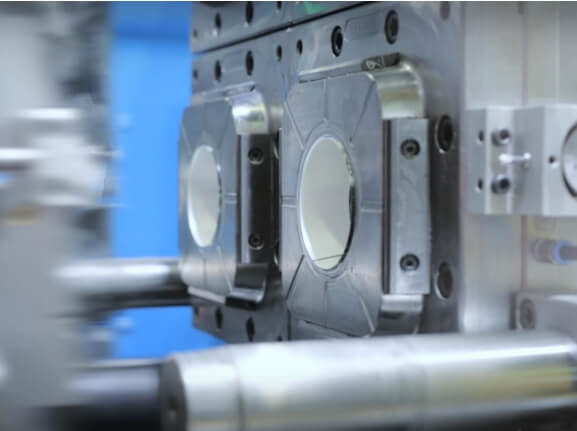
•Machinery and Equipment: Ensure the manufacturer has the necessary machinery and technology to produce your molds efficiently and according to your specifications. This includes mold-making equipment (e.g., CNC machining centers, spark erosion machines) for precision mold creation, injection molding machines with appropriate clamping force and shot size to handle your part size and material requirements, and any necessary quality control equipment (e.g., coordinate measuring machines, CMMs) for dimensional verification.
•Automation and Efficiency: Inquire about the manufacturer's level of automation and production processes. A manufacturer with a well-automated facility can often offer better turnaround times, potentially lower costs due to reduced labor requirements, and higher consistency in mold quality.
•Quality Control Measures: Ask about the manufacturer's quality control procedures throughout the mold-making process. This should encompass measures to ensure dimensional accuracy, surface finish meeting your aesthetic or functional requirements, and overall part quality that meets your expectations. Look for a manufacturer that utilizes statistical process control (SPC) techniques to monitor production and identify potential issues proactively.
Communication and Customer Service:
•Open Communication: Choose a manufacturer that prioritizes clear and consistent communication. Regular updates on progress, potential challenges encountered during mold development or production, and solutions proposed are essential for a smooth collaboration.
•Responsiveness: Evaluate the manufacturer's responsiveness to your inquiries and their willingness to address your concerns promptly. Effective communication fosters trust and a positive working relationship. Look for a manufacturer with dedicated account managers or project engineers who can serve as your point of contact throughout the process.
•Project Management: Look for a manufacturer with a proven project management system in place. A dedicated project manager will oversee your project from start to finish, ensuring clear communication, accountability for meeting deadlines and quality targets, and the ability to identify and address any roadblocks that may arise.
Pricing and Value:
•Competitive Quotes: Obtain quotes from several manufacturers to compare pricing structures. Don't solely focus on the lowest cost; consider the value proposition and the manufacturer's overall capabilities, experience, and quality control procedures. Be sure to factor in the total cost of ownership, which may include not just the upfront mold development cost but also potential long-term costs like mold maintenance or replacement parts.
•Hidden Costs: Inquire about any potential hidden costs beyond the initial quote. This might include mold design fees, material surcharges for specific resins, additional quality control testing beyond standard procedures, or expedited shipping fees if required.
•Payment Terms: Understand the payment terms offered by the manufacturer and ensure they align with your project budget and cash flow. Standard payment terms in the industry may involve staged payments throughout the mold development process, with a final payment upon mold acceptance and successful part trials.
Additional Considerations:
•Location: While geographic proximity may not be a deal-breaker, consider the potential benefits of working with a local manufacturer for easier communication, the ability to conduct site visits to monitor progress firsthand, and potentially faster turnaround times due to reduced shipping logistics.
•Sustainability Practices: If environmental responsibility is a priority for your company, inquire about the manufacturer's sustainability practices and their commitment to using eco-friendly materials or processes in mold development and production. Look for manufacturers that utilize recycled materials where feasible, employ energy-efficient practices, and have proper waste management procedures in place.
•Lead Times: Understand the manufacturer's typical lead times for mold development and production to ensure they align with your project timeline. Factors like mold complexity, material selection, and the manufacturer's current workload can all impact lead times.
Related Articles
 The Top Injection Molding Industry Leader 2026-02-24 0
 2026 Injection Molding Industry Leader 2026-02-24 0
 USA Top Custom Moulding Experts 2026-02-11 0
 2026 Architectural and Decorative Moulding Leaders in USA 2026-02-11 0
 2026 Top Industrial Plastic Injection Moulding Titans 2026-02-02 0
- 2026 Top Moulding Company 2026-02-02 0
- What Is an Aluminum Injection Mold and Why Is It Used 2026-01-19 0
 How Does Aluminum Material Grade Impact Mold Cost 2026-01-19 0
 The Cost of an Aluminum Injection Mold 2026-01-19 0
 What Affects the Cost of an Aluminum Injection Mold 2026-01-19 0
 What Is the Strength of the 7 Most Common Injection Molding Plastics 2026-01-12 0
 How Thick Can You Injection Mold Plastic 2026-01-12 0
 What Are the 7 Steps of PLC 2025-12-16 0
 What Is PLC in Injection Molding 2025-12-16 0
- What Is the Minimum Wall Thickness of the 7 Main Types of Plastic 2025-12-11 0
 Industry Standards or Guidelines for Wall Thickness by Application 2025-12-11 0
 Why Does Plastic Shrink More in Thick Sections in Injection Molding 2025-12-02 0
 The Strongest Plastic for Injection Molding 2025-12-02 0
- Why is Machine Assistance Essential in High-Demand Mould Shops 2025-11-20 0
 Common Defects and Limitations Must Mold Finishers Anticipate with CP 2025-11-20 0
