
The Principles of Injection Mold Design
author: HOPO MOULD
2024-12-17
What Is Injection Mold Design? Why It’s So Important?
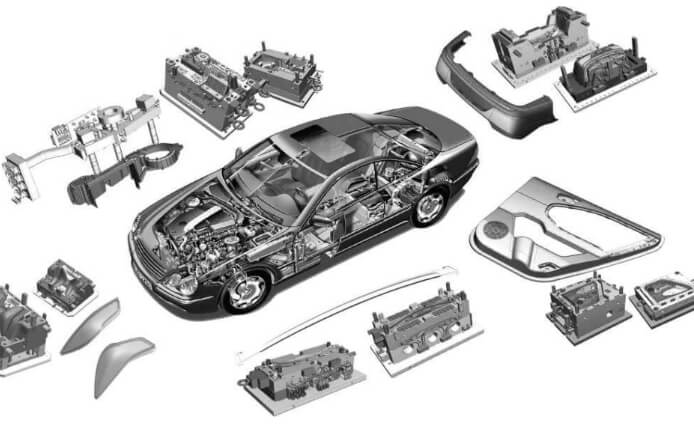
Injection mold design involves creating a mold—a highly engineered cavity that shapes molten plastic during the injection molding process. The design must account for various factors such as material flow, cooling time, and part ejection to produce high-quality, defect-free components.
The mold design affects the final part’s accuracy, surface finish, durability, and production efficiency. Poor design can lead to defective parts, high scrap rates, and inefficient production, while a well-optimized mold can save costs, enhance product performance, and streamline manufacturing processes.
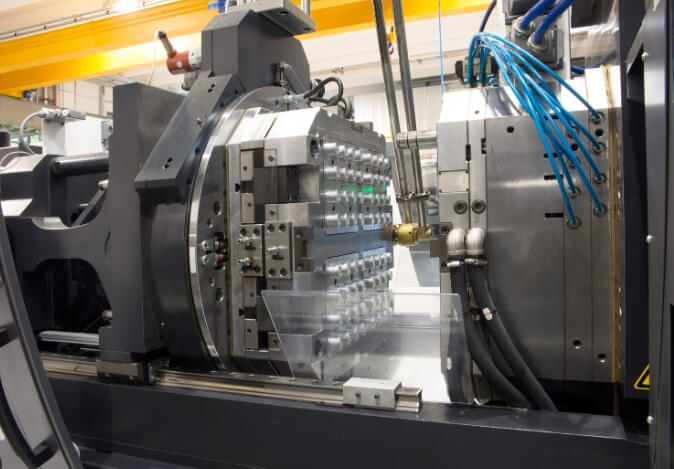
The Injection Molding Process at a Glance
The injection molding process consists of the following steps:
1. Heating and Melting: Plastic is heated until molten.
2. Injection: The molten plastic is injected under high pressure into the mold cavity.
3. Cooling: The mold is cooled, solidifying the plastic.
4. Ejection: The cooled part is ejected from the mold.
1. Heating and Melting: Plastic is heated until molten.
2. Injection: The molten plastic is injected under high pressure into the mold cavity.
3. Cooling: The mold is cooled, solidifying the plastic.
4. Ejection: The cooled part is ejected from the mold.
The mold's role is to shape, cool, and facilitate the ejection of the final part while maintaining tight tolerances and minimizing defects.
Core Principles of Injection Mold Design
1. Selecting the Right Materials
Mold Material Selection
The mold’s durability, thermal conductivity, and ease of machining are critical factors when choosing a mold material. Here’s a closer look:
1. Steel: Commonly used due to its strength, wear resistance, and longevity, steel is ideal for high-volume production molds. Grades such as P20 or hardened steels like H13 offer different properties for specific applications.
2. Aluminum: Lighter and easier to machine, aluminum is suitable for prototype molds or lower-volume production.
3. Beryllium Copper Alloys: Often used in mold inserts due to their superior thermal conductivity, these alloys help minimize cycle times.
The mold’s durability, thermal conductivity, and ease of machining are critical factors when choosing a mold material. Here’s a closer look:
1. Steel: Commonly used due to its strength, wear resistance, and longevity, steel is ideal for high-volume production molds. Grades such as P20 or hardened steels like H13 offer different properties for specific applications.
2. Aluminum: Lighter and easier to machine, aluminum is suitable for prototype molds or lower-volume production.
3. Beryllium Copper Alloys: Often used in mold inserts due to their superior thermal conductivity, these alloys help minimize cycle times.
Part Material Selection
The type of plastic used—thermoplastic or thermoset—affects flow, cooling, and mold design requirements.
1. Thermoplastics (e.g., polypropylene, ABS): These plastics melt when heated and solidify upon cooling, allowing for repeated molding.
2. Thermosets (e.g., epoxies, phenolics): Once cured, they do not remelt, making them ideal for high-heat or structural applications.
The type of plastic used—thermoplastic or thermoset—affects flow, cooling, and mold design requirements.
1. Thermoplastics (e.g., polypropylene, ABS): These plastics melt when heated and solidify upon cooling, allowing for repeated molding.
2. Thermosets (e.g., epoxies, phenolics): Once cured, they do not remelt, making them ideal for high-heat or structural applications.
2. Part Design Considerations
Designing parts for injection molding requires careful attention to geometry, tolerances, and features:
a. Consistent Wall Thickness: Maintaining uniform wall thickness reduces the likelihood of defects such as warping, sink marks, or uneven cooling. When variations are necessary, gradual transitions should be used.
b. Draft Angles: Parts require draft angles—slight tapers—to facilitate smooth ejection from the mold cavity. Without sufficient draft, parts can stick, causing damage or defects.
c. Ribs and Fillets: Adding ribs strengthens parts without increasing wall thickness, while fillets smooth out sharp corners to reduce stress concentration and improve flow.
a. Consistent Wall Thickness: Maintaining uniform wall thickness reduces the likelihood of defects such as warping, sink marks, or uneven cooling. When variations are necessary, gradual transitions should be used.
b. Draft Angles: Parts require draft angles—slight tapers—to facilitate smooth ejection from the mold cavity. Without sufficient draft, parts can stick, causing damage or defects.
c. Ribs and Fillets: Adding ribs strengthens parts without increasing wall thickness, while fillets smooth out sharp corners to reduce stress concentration and improve flow.
3. Designing the Mold Structure
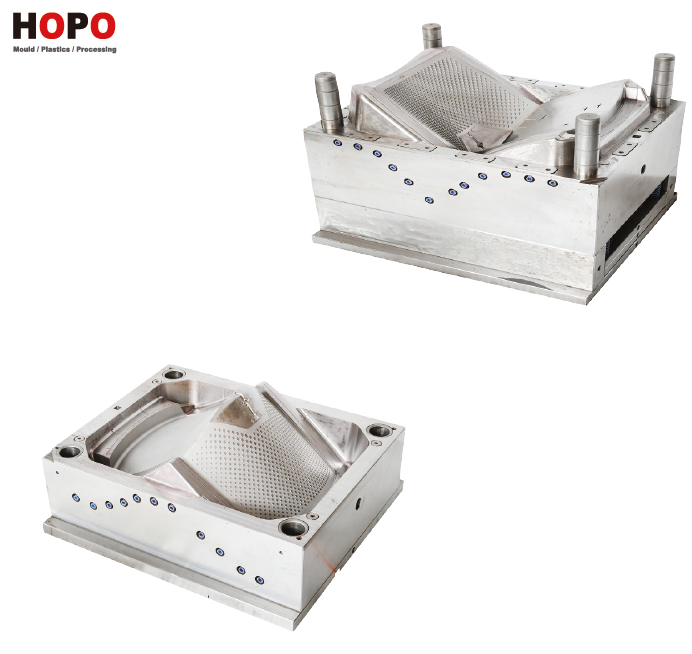
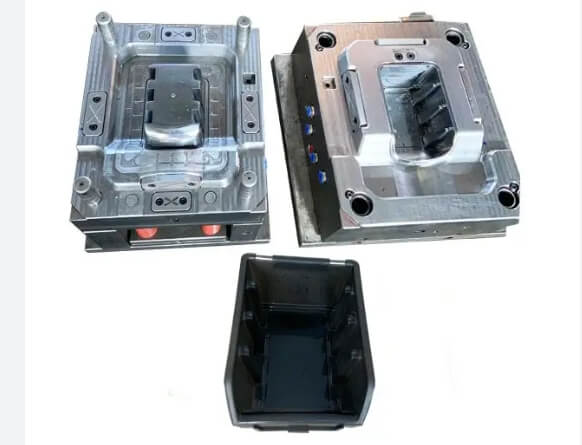
An injection mold consists of multiple components that shape and form the part:
- Cavity and Core: The cavity forms the external surface of the part, while the core shapes the internal features. Precise alignment is critical to achieving consistent part dimensions.
- Types of Molds:
- Single-cavity Molds: These molds produce one part per cycle, typically used for small-volume production or highly intricate parts.
- Multi-cavity Molds: For high-volume production, these molds produce multiple identical parts per cycle, increasing output and reducing per-part cost.
- Family Molds: Produce different parts in one cycle, useful for assembling multi-component products.
- Mold Base Components: Guide pins, plates, bushings, and clamps ensure alignment, strength, and precision throughout the molding process. Proper base design prevents misalignment and wear over repeated cycles.
- Cavity and Core: The cavity forms the external surface of the part, while the core shapes the internal features. Precise alignment is critical to achieving consistent part dimensions.
- Types of Molds:
- Single-cavity Molds: These molds produce one part per cycle, typically used for small-volume production or highly intricate parts.
- Multi-cavity Molds: For high-volume production, these molds produce multiple identical parts per cycle, increasing output and reducing per-part cost.
- Family Molds: Produce different parts in one cycle, useful for assembling multi-component products.
- Mold Base Components: Guide pins, plates, bushings, and clamps ensure alignment, strength, and precision throughout the molding process. Proper base design prevents misalignment and wear over repeated cycles.
4. Designing the Gate and Runner System
The gate and runner system delivers molten plastic into the mold cavity. Proper design ensures smooth flow, minimal waste, and uniform filling:
- Runner Design: Runners channel plastic from the sprue to the mold cavities. Balancing runner lengths and diameters ensures consistent flow and minimal material waste.
- Types of Gates:
- Edge Gates: Located on the perimeter, these gates work well for many part designs.
- Submarine Gates: Automated and ideal for high-volume production, they leave minimal gate marks.
- Hot Runner Systems: Unlike cold runners, hot runners maintain a molten state, reducing waste and cycle times but adding complexity and cost.
- Runner Design: Runners channel plastic from the sprue to the mold cavities. Balancing runner lengths and diameters ensures consistent flow and minimal material waste.
- Types of Gates:
- Edge Gates: Located on the perimeter, these gates work well for many part designs.
- Submarine Gates: Automated and ideal for high-volume production, they leave minimal gate marks.
- Hot Runner Systems: Unlike cold runners, hot runners maintain a molten state, reducing waste and cycle times but adding complexity and cost.
5. Cooling System Design for Optimal Efficiency
Cooling accounts for a significant portion of the injection molding cycle, making effective cooling system design crucial:
- Cooling Channels: The placement, size, and shape of cooling channels impact the speed and uniformity of cooling.
- Cycle Time Reduction: Proper cooling design minimizes cycle times, improving productivity and reducing costs. Poor cooling can lead to defects like warping, dimensional instability, and internal stresses.
- Conformal Cooling: Advances in additive manufacturing allow for conformal cooling channels that closely follow the contours of the part, improving cooling efficiency.
- Cooling Channels: The placement, size, and shape of cooling channels impact the speed and uniformity of cooling.
- Cycle Time Reduction: Proper cooling design minimizes cycle times, improving productivity and reducing costs. Poor cooling can lead to defects like warping, dimensional instability, and internal stresses.
- Conformal Cooling: Advances in additive manufacturing allow for conformal cooling channels that closely follow the contours of the part, improving cooling efficiency.
6. Effective Venting Design
Air and gases trapped in the mold cavity must escape to ensure a complete and defect-free part:
- Vents: Strategically placed vents allow air to escape without compromising part integrity.
- Burn Marks and Incomplete Fills: Proper venting prevents common issues like burn marks, incomplete fills, or weld lines.
- Vents: Strategically placed vents allow air to escape without compromising part integrity.
- Burn Marks and Incomplete Fills: Proper venting prevents common issues like burn marks, incomplete fills, or weld lines.
7. Ejection System Design
Ejecting the cooled part without causing damage is a key design consideration:
- Ejector Pins: Precisely positioned pins push the part out without leaving visible marks.
- Stripper Plates: These provide uniform ejection, especially useful for complex parts.
- Air Ejection: In some cases, compressed air may be used for gentle ejection.
- Ejector Pins: Precisely positioned pins push the part out without leaving visible marks.
- Stripper Plates: These provide uniform ejection, especially useful for complex parts.
- Air Ejection: In some cases, compressed air may be used for gentle ejection.
Cost Efficiency and Performance Considerations in Mold Design
- Cycle Time Optimization: Reducing cycle times without compromising quality maximizes production efficiency. Cooling time, mold release, and part removal should be optimized to minimize downtime.
- Mold Longevity: Investing in durable mold materials and implementing a maintenance schedule extends mold life, reducing long-term costs.
- Cost-Effective Designs: Effective mold design considers part complexity, tolerances, and overall production requirements to achieve the best cost-benefit ratio.
- Mold Longevity: Investing in durable mold materials and implementing a maintenance schedule extends mold life, reducing long-term costs.
- Cost-Effective Designs: Effective mold design considers part complexity, tolerances, and overall production requirements to achieve the best cost-benefit ratio.
Leveraging Advanced Tools and Techniques
CAD/CAM Tools - Computer-aided design and manufacturing (CAD/CAM) streamline the design process, enabling accurate models, fast prototyping, and virtual mold simulations.
Moldflow Analysis and Simulation - Simulating the flow of plastic through a mold allows designers to predict and mitigate potential defects, such as air pockets, sink marks, or incomplete filling.
Emerging Technologies - 3D printing for rapid prototyping and conformal cooling technologies are transforming traditional mold design practices, allowing for innovative and highly efficient molds.
Quality Assurance and Testing
- Mold Trials: Initial mold trials identify and correct issues before mass production begins, ensuring parts meet specifications.
- Inspection Procedures: Routine inspection ensures molds continue producing accurate, high-quality parts over their operational lifespan.
- Inspection Procedures: Routine inspection ensures molds continue producing accurate, high-quality parts over their operational lifespan.
Addressing Common Challenges in Mold Design
- Material Shrinkage: Predictable shrinkage must be accounted for to avoid dimensional inaccuracies. Mold cavities are designed with shrinkage factors in mind.
- Complex Geometries: Intricate designs may require advanced techniques, such as side actions, collapsible cores, or slides, to produce.
- Balancing Cost and Quality: Achieving the desired part performance at an optimal cost requires balancing design complexity, mold longevity, and production volume.
- Complex Geometries: Intricate designs may require advanced techniques, such as side actions, collapsible cores, or slides, to produce.
- Balancing Cost and Quality: Achieving the desired part performance at an optimal cost requires balancing design complexity, mold longevity, and production volume.
Best Practices for Successful Mold Design
- Design for Manufacturability (DFM): Ensuring parts are manufacturable from the outset minimizes defects and reduces costs.
- Regular Maintenance: Preventive maintenance extends mold life and maintains part quality.
- Collaborative Design: Working with production, engineering, and quality teams ensures a comprehensive approach to mold design.
- Regular Maintenance: Preventive maintenance extends mold life and maintains part quality.
- Collaborative Design: Working with production, engineering, and quality teams ensures a comprehensive approach to mold design.

TAIZHOU HOPO MOULD & PLASTIC TECHNOLOGY CO., LTD is a professional plastic injection mould maker and relevant plastic products manufacturer established in 2012. Our Factory is in Zhejiang, China. We enjoy convenient land, water and air transportation, so we could provide short delivery time once the production finished. HOPO offer many kinds of high quality moulds, including daily use commodity moulds, home appliance moulds, automotive moulds, pipe fitting moulds and industrial products moulds, also could directy offer you those relevant plastic parts prodcution.
Related Articles
 The Top Injection Molding Industry Leader 2026-02-24 0
 2026 Injection Molding Industry Leader 2026-02-24 0
 USA Top Custom Moulding Experts 2026-02-11 0
 2026 Architectural and Decorative Moulding Leaders in USA 2026-02-11 0
 2026 Top Industrial Plastic Injection Moulding Titans 2026-02-02 0
- 2026 Top Moulding Company 2026-02-02 0
- What Is an Aluminum Injection Mold and Why Is It Used 2026-01-19 0
 How Does Aluminum Material Grade Impact Mold Cost 2026-01-19 0
 The Cost of an Aluminum Injection Mold 2026-01-19 0
 What Affects the Cost of an Aluminum Injection Mold 2026-01-19 0
 What Is the Strength of the 7 Most Common Injection Molding Plastics 2026-01-12 0
 How Thick Can You Injection Mold Plastic 2026-01-12 0
 What Are the 7 Steps of PLC 2025-12-16 0
 What Is PLC in Injection Molding 2025-12-16 0
- What Is the Minimum Wall Thickness of the 7 Main Types of Plastic 2025-12-11 0
 Industry Standards or Guidelines for Wall Thickness by Application 2025-12-11 0
 Why Does Plastic Shrink More in Thick Sections in Injection Molding 2025-12-02 0
 The Strongest Plastic for Injection Molding 2025-12-02 0
- Why is Machine Assistance Essential in High-Demand Mould Shops 2025-11-20 0
 Common Defects and Limitations Must Mold Finishers Anticipate with CP 2025-11-20 0
