
The Process for Custom Plastic Components
author: HOPO MOULD
2024-11-18
Creating custom plastic parts involves several key steps, from initial design to manufacturing the final product. Here's a step-by-step guide to help you navigate through the process:
Custom plastic part fabrication propose a design
Pick a resin for custom plastic components
Choose the manufacturing process
Custom plastic parts manufacturer create a prototype
List part specifications
Producing the custom part
Custom plastic part fabrication propose a design
Pick a resin for custom plastic components
Choose the manufacturing process
Custom plastic parts manufacturer create a prototype
List part specifications
Producing the custom part
Custom Plastic Part Fabrication Propose a Design
The custom plastic part is designed to house electronic components securely while allowing easy access for maintenance and aesthetic integration into various products.
Specifications:
- Dimensions: Rectangular shape, 150 mm length x 100 mm width x 50 mm height.
- Material: ABS (Acrylonitrile Butadiene Styrene) selected for its balance of strength, impact resistance, and ease of molding.
- Features:
- Smooth exterior surface with rounded edges for ergonomic handling.
- Snap-fit lid for tool-less access to internal components.
- Internal mounting bosses for securing circuit boards and other components.
- Cable management channels for organized wiring.
- Ventilation slots to ensure adequate airflow and heat dissipation.
- Customizable branding area on the lid for company logos or product identifiers.
- Dimensions: Rectangular shape, 150 mm length x 100 mm width x 50 mm height.
- Material: ABS (Acrylonitrile Butadiene Styrene) selected for its balance of strength, impact resistance, and ease of molding.
- Features:
- Smooth exterior surface with rounded edges for ergonomic handling.
- Snap-fit lid for tool-less access to internal components.
- Internal mounting bosses for securing circuit boards and other components.
- Cable management channels for organized wiring.
- Ventilation slots to ensure adequate airflow and heat dissipation.
- Customizable branding area on the lid for company logos or product identifiers.
Design Considerations:
- Functionality: Ensure the enclosure provides sufficient space and protection for electronic components, with consideration for assembly and maintenance requirements.
- Aesthetics: Blend modern design with functional elements, ensuring the part complements the overall product aesthetics.
- Manufacturability: Optimize the design for injection molding, minimizing undercuts and ensuring uniform wall thickness to facilitate efficient production.
- Cost-effectiveness: Balance material and manufacturing costs while meeting quality and performance requirements.
- Functionality: Ensure the enclosure provides sufficient space and protection for electronic components, with consideration for assembly and maintenance requirements.
- Aesthetics: Blend modern design with functional elements, ensuring the part complements the overall product aesthetics.
- Manufacturability: Optimize the design for injection molding, minimizing undercuts and ensuring uniform wall thickness to facilitate efficient production.
- Cost-effectiveness: Balance material and manufacturing costs while meeting quality and performance requirements.
Application: Suitable for use in consumer electronics, industrial control systems, medical devices, and other applications requiring robust, customizable enclosures for electronic assemblies.
Next Steps:
- CAD Design: Develop detailed 3D models using CAD software to visualize and refine the enclosure design.
- Prototype Development: Create prototypes using 3D printing or CNC machining to validate the design and functional aspects.
- Material Testing: Evaluate ABS material properties to ensure they meet durability, impact resistance, and regulatory standards.
- CAD Design: Develop detailed 3D models using CAD software to visualize and refine the enclosure design.
- Prototype Development: Create prototypes using 3D printing or CNC machining to validate the design and functional aspects.
- Material Testing: Evaluate ABS material properties to ensure they meet durability, impact resistance, and regulatory standards.
This proposed design aims to meet the functional, aesthetic, and manufacturing requirements for a custom plastic part suitable for electronic enclosure applications. Adjustments and refinements can be made based on specific project needs and feedback from stakeholders during the design iteration process.
Pick a Resin for Custom Plastic Components
Once the design is finalized and a 3D model is created, the next critical step is selecting a suitable resin for your custom part. Plastic resins vary widely in their chemical and mechanical properties, including hardness, flexibility, durability, heat resistance, and more. These properties will directly impact how well the part performs in its intended application.
Considerations for Resin Selection:
1. Functional Requirements: Choose a resin that meets the specific functional requirements of your part, such as mechanical strength or chemical resistance.
1. Functional Requirements: Choose a resin that meets the specific functional requirements of your part, such as mechanical strength or chemical resistance.
2. Environmental Conditions: Consider the operating environment of the part, including temperature extremes, exposure to chemicals, UV light, and outdoor conditions.
3. Manufacturing Compatibility: Ensure the resin is compatible with your chosen manufacturing process (e.g., injection molding, 3D printing) and can achieve the desired surface finish and dimensional accuracy.
4. Cost and Availability: Evaluate the cost-effectiveness and availability of the resin. Some resins may be ideal for your part but come with higher costs or limited availability, affecting production feasibility.
Key Properties to Evaluate:
- Mechanical Properties: Strength, stiffness, impact resistance.
- Thermal Properties: Heat deflection temperature, resistance to temperature fluctuations.
- Chemical Resistance: Ability to withstand exposure to chemicals, oils, and solvents.
- Appearance: Color options, transparency, surface finish.
- Processing Characteristics: Melt flow rate, shrinkage, moldability.
- Mechanical Properties: Strength, stiffness, impact resistance.
- Thermal Properties: Heat deflection temperature, resistance to temperature fluctuations.
- Chemical Resistance: Ability to withstand exposure to chemicals, oils, and solvents.
- Appearance: Color options, transparency, surface finish.
- Processing Characteristics: Melt flow rate, shrinkage, moldability.
Balancing Costs and Functionality:
- Cost Considerations: Factor in the raw material costs, processing costs, and any additional finishing or treatment requirements.
- Functionality: Prioritize selecting a resin that optimally balances cost-efficiency with meeting the functional requirements of your custom plastic part.
- Cost Considerations: Factor in the raw material costs, processing costs, and any additional finishing or treatment requirements.
- Functionality: Prioritize selecting a resin that optimally balances cost-efficiency with meeting the functional requirements of your custom plastic part.
Choosing the right resin is crucial to the success of your custom plastic part. By carefully evaluating the properties, compatibility, costs, and availability of different resins, you can ensure your part not only performs well but also meets production feasibility and cost-effectiveness goals. Consulting with resin suppliers and manufacturing experts can provide valuable insights and guidance in making this critical decision.
Choose the Manufacturing Process
When it comes to manufacturing custom plastic parts, plastic injection molding stands out as the preferred method for several compelling reasons.
Advantages of Plastic Injection Molding for Custom Parts
1. Cost-Effectiveness: While initial setup and tooling costs can be significant, plastic injection molding offers efficient cycle times. This efficiency allows for the production of large quantities of custom-designed parts at a lower cost per unit compared to other manufacturing processes.
2. Consistency and Precision: Injection molding excels in maintaining tight tolerances and uniform wall thickness throughout the part. This consistency is crucial for ensuring high-quality parts, even with complex geometries.
3. Versatility: The process accommodates a wide range of plastic resins, offering flexibility in material selection to meet diverse functional and aesthetic requirements.
1. Cost-Effectiveness: While initial setup and tooling costs can be significant, plastic injection molding offers efficient cycle times. This efficiency allows for the production of large quantities of custom-designed parts at a lower cost per unit compared to other manufacturing processes.
2. Consistency and Precision: Injection molding excels in maintaining tight tolerances and uniform wall thickness throughout the part. This consistency is crucial for ensuring high-quality parts, even with complex geometries.
3. Versatility: The process accommodates a wide range of plastic resins, offering flexibility in material selection to meet diverse functional and aesthetic requirements.
4. Complex Geometries: Injection molding can produce intricate and detailed parts with complex shapes and features. This capability is essential for creating the diverse range of custom products envisioned by designers and engineers.
5. Scalability: Once the mold is set up, injection molding enables rapid production scaling, making it ideal for both prototyping and large-scale production runs.
Considerations for Injection Molding
- Tooling Design: Careful mold design is critical to achieving desired part specifications and minimizing defects.
- Material Selection: Choose a resin that suits the part's requirements for mechanical properties, environmental conditions, and regulatory compliance.
- Production Efficiency: Optimize production parameters such as injection pressure, temperature, and cooling time to enhance efficiency and reduce cycle times.
- Tooling Design: Careful mold design is critical to achieving desired part specifications and minimizing defects.
- Material Selection: Choose a resin that suits the part's requirements for mechanical properties, environmental conditions, and regulatory compliance.
- Production Efficiency: Optimize production parameters such as injection pressure, temperature, and cooling time to enhance efficiency and reduce cycle times.
Plastic injection molding offers a robust solution for manufacturing custom plastic parts due to its cost-effectiveness, precision, versatility, and ability to handle complex designs. By leveraging the advantages of injection molding, designers and manufacturers can efficiently bring custom-designed products to market while maintaining high standards of quality and consistency.
Custom Plastic Parts Manufacturer Create a Prototype
Developing prototypes before proceeding with manufacturing your custom plastic part is not only beneficial but highly recommended. Prototyping allows you to evaluate how your part functions in real-world conditions, identify potential flaws, and make necessary adjustments before full-scale production.
Prototyping Methods
- 3D Printing: Ideal for rapid prototyping, allowing for quick iterations and testing of design concepts.
- Injection Molding: Produces prototypes using the same process as final production parts, offering insights into manufacturability and material properties.
- CNC Machining: Provides high precision and is suitable for producing functional prototypes from solid blocks of material.
- 3D Printing: Ideal for rapid prototyping, allowing for quick iterations and testing of design concepts.
- Injection Molding: Produces prototypes using the same process as final production parts, offering insights into manufacturability and material properties.
- CNC Machining: Provides high precision and is suitable for producing functional prototypes from solid blocks of material.
Steps in Prototyping
1. Prototype Creation: Choose a method that suits your design complexity and production goals. Consult with your manufacturer to determine the best prototyping approach.
2. Evaluation and Adjustments: Test the prototype extensively to ensure it meets design specifications and performance expectations. Identify areas for improvement or modification.
3. Material and Design Optimization: Based on prototype testing results, consider refining the material selection, adding cosmetic features, or adjusting colors to enhance product appeal and functionality.
4. Budget Considerations: Evaluate the impact of design changes on material costs and tooling expenses. Balance the need for quality and functionality with budget constraints.
1. Prototype Creation: Choose a method that suits your design complexity and production goals. Consult with your manufacturer to determine the best prototyping approach.
2. Evaluation and Adjustments: Test the prototype extensively to ensure it meets design specifications and performance expectations. Identify areas for improvement or modification.
3. Material and Design Optimization: Based on prototype testing results, consider refining the material selection, adding cosmetic features, or adjusting colors to enhance product appeal and functionality.
4. Budget Considerations: Evaluate the impact of design changes on material costs and tooling expenses. Balance the need for quality and functionality with budget constraints.
Prototyping is a critical phase in the product development process, allowing you to refine your design and mitigate risks before moving to mass production. Allocate sufficient time and resources for thorough prototyping to ensure your custom plastic part meets quality standards and customer expectations effectively. Collaborate closely with your manufacturer to leverage their expertise in material selection, production methods, and design optimization throughout the prototyping stage.
List Part Specification
Developing a prototype before you start building parts is not always necessary, but it is highly recommended. Creating a prototype that resembles the current product design will give you an idea of how the part will actually function. This way, you can identify any flaws that need to be addressed before manufacturing.
There are different prototyping methods you can use, such as 3D printing or injection molding. Be sure to check with the manufacturer to see what methods are available to you.
Once you have a prototype and understand how the product works, you can determine what manufacturing adjustments need to be made. Your budget also plays a crucial role here. Do you need better materials? Can you add cosmetic features? Should you produce a part in a different color? With each decision you make, you may need to spend more on materials and molds.
It may take some time to complete this step. Allow extra time before mass production to ensure you can thoroughly inspect the product and resolve any issues that arise.
Producing the Custom Part
Now it is time to manufacture the actual customized parts. The manufacturing of the product will depend on your or your partner's manufacturing capabilities. At this point, you must determine whether to stick to in-house manufacturing or outsource it.
Consider whether your team has enough equipment, manpower, and expertise to manufacture plastic products. If not, find an injection molding company that can do your job.
Some companies only produce custom plastic parts. Others can provide design, finished product assembly, packaging and shipping services on a manufacturing basis.
Quality control is also important here. Just because you've tested with prototypes and hired a trusted manufacturer doesn't mean your product will be a success. Always keep an eye on production and communicate with your suppliers to make sure your product meets specifications.
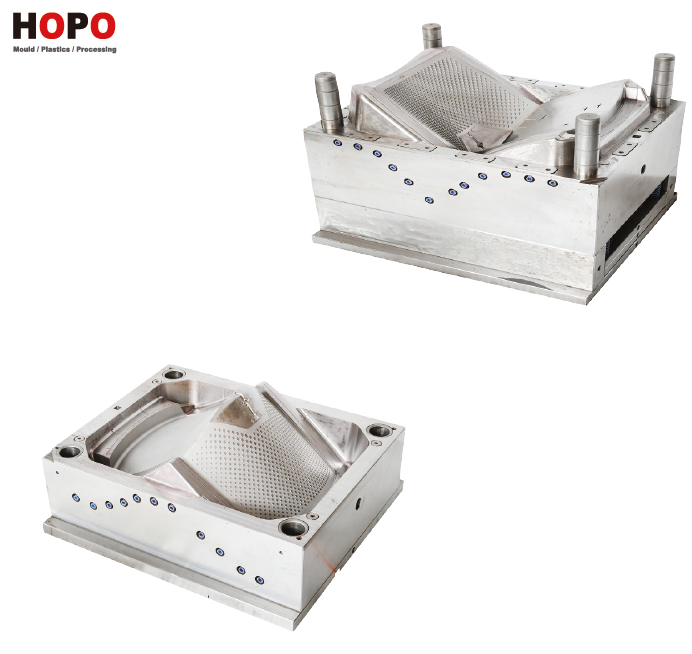
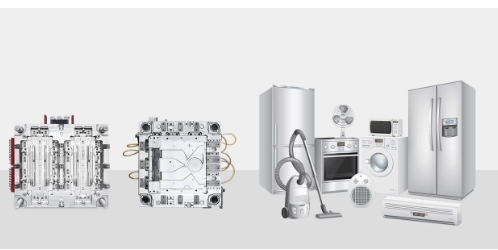
TAIZHOU HOPO MOULD & PLASTIC TECHNOLOGY CO., LTD is a professional plastic injection mould maker and relevant plastic products manufacturer established in 2012. Our Factory is in Zhejiang, China. We enjoy convenient land, water and air transportation, so we could provide short delivery time once the production finished. HOPO offer many kinds of high quality moulds, including daily use commodity moulds, home appliance moulds, automotive moulds, pipe fitting moulds and industrial products moulds, also could directy offer you those relevant plastic parts prodcution.(End of the page has a short video of introduction of HOPO)
Related Articles
 The Top Injection Molding Industry Leader 2026-02-24 0
 2026 Injection Molding Industry Leader 2026-02-24 0
 USA Top Custom Moulding Experts 2026-02-11 0
 2026 Architectural and Decorative Moulding Leaders in USA 2026-02-11 0
 2026 Top Industrial Plastic Injection Moulding Titans 2026-02-02 0
- 2026 Top Moulding Company 2026-02-02 0
- What Is an Aluminum Injection Mold and Why Is It Used 2026-01-19 0
 How Does Aluminum Material Grade Impact Mold Cost 2026-01-19 0
 The Cost of an Aluminum Injection Mold 2026-01-19 0
 What Affects the Cost of an Aluminum Injection Mold 2026-01-19 0
 What Is the Strength of the 7 Most Common Injection Molding Plastics 2026-01-12 0
 How Thick Can You Injection Mold Plastic 2026-01-12 0
 What Are the 7 Steps of PLC 2025-12-16 0
 What Is PLC in Injection Molding 2025-12-16 0
- What Is the Minimum Wall Thickness of the 7 Main Types of Plastic 2025-12-11 0
 Industry Standards or Guidelines for Wall Thickness by Application 2025-12-11 0
 Why Does Plastic Shrink More in Thick Sections in Injection Molding 2025-12-02 0
 The Strongest Plastic for Injection Molding 2025-12-02 0
- Why is Machine Assistance Essential in High-Demand Mould Shops 2025-11-20 0
 Common Defects and Limitations Must Mold Finishers Anticipate with CP 2025-11-20 0
