
Thermoplastics vs. Thermosets: What’s the Difference for Injection Molding?
author: CHEN
2025-03-24
Choosing the Right Plastic for Plastic Injection Molding
In plastic injection molding, material selection plays a pivotal role in determining the overall success of the production process and the final product's quality. The right choice can ensure optimal performance, reduce production costs, and enhance product durability, while the wrong choice can lead to defects, inefficiency, and even costly rework. As an injection molding manufacturer, making informed material decisions is critical to ensuring that your products meet all functional requirements and business goals. Here we will find out the key aspects of material selection for injection molding, ensuring that you choose the best plastic for each application.
Why Choosing the Right Plastic Matters for Your Injection Molding Business
When it comes to injection molding, the plastic material you choose is far more than just a raw material – it defines the product's strength, appearance, performance, and overall cost-effectiveness. The right material ensures that the final product not only meets all the functional and aesthetic requirements but also performs optimally in the conditions it will face in its end-use environment.
Making the wrong choice can result in a wide range of problems: from weak, brittle products that break easily to costly delays due to improper processing. For instance, selecting a plastic that doesn't withstand high temperatures in an automotive part can lead to failures during use, or choosing an overly flexible material for a rigid part can compromise structural integrity. Therefore, understanding the properties of various plastics and how they align with the final product’s requirements is essential for minimizing risks and ensuring the success of your injection molding operations.
Thermoplastics vs. Thermosets: What’s the Difference?
Understanding the fundamental differences between thermoplastics and thermosets is crucial when selecting a material for injection molding. Both types of plastics have distinct advantages and limitations, and the right choice depends on your product's performance requirements.
- Thermoplastics are versatile, capable of being re-melted and re-molded multiple times without undergoing any significant chemical change. This feature makes thermoplastics easier to process and recycle. Popular examples include materials like ABS, polypropylene, and polystyrene, all of which are widely used for products that require flexibility, ease of processing, and cost efficiency.
- Thermosets, in contrast, undergo a chemical reaction when heated, which permanently hardens them into a solid form. Once set, they cannot be re-melted or re-molded. This characteristic gives thermosets superior heat resistance, chemical resistance, and mechanical strength. Common thermosets like epoxies, phenolic, and melamine are often used for high-performance applications that require rigidity and durability, such as electrical components or heavy-duty industrial parts.
|
Property
|
Thermoplastics
|
Thermosets
|
|
Reprocessing
|
Can be melted and re-molded repeatedly.
|
Cannot be re-melted or re-molded after curing.
|
|
Strength
|
Lower mechanical strength, more flexible.
|
Higher strength and rigidity, better for structural parts.
|
|
Heat Resistance
|
Lower heat resistance compared to thermosets.
|
Excellent heat resistance.
|
|
Common Uses
|
Consumer products, automotive parts, toys.
|
Electrical components, heavy-duty parts, automotive.
|
|
Cost
|
Generally more cost-effective.
|
Typically more expensive due to material properties.
|
Choosing between thermoplastics and thermosets will depend on factors like the end-use environment, mechanical stress, and whether the material will need to be recycled or repurposed in the future.
Key Factors to Consider When Choosing Plastic for Injection Molding
Selecting the right plastic for injection molding is more than just picking a material off the shelf. It requires careful consideration of several key factors to ensure that the material matches the application’s requirements. Here are the top factors to consider:
1. How much strength, rigidity, or flexibility does the part need? For instance, automotive parts may require high-strength materials that resist impact, while consumer products like packaging can use lighter, more flexible materials.
2. Will the material be exposed to high temperatures? If so, materials like polycarbonate (PC) or polyetherimide (PEI) may be more suitable, as they offer superior heat resistance.
3. Is the part going to be exposed to harsh chemicals, oils, or solvents? Materials such as polypropylene (PP) or fluoropolymers like PTFE are highly resistant to chemical corrosion.
4. While the cost of materials can vary widely, it's essential to balance quality with cost-efficiency. Sometimes, a higher upfront material cost is justified by improved product longevity and fewer defects, which saves on rework and downtime.
5. The appearance of the product matters for consumer-facing products. Materials like acrylonitrile butadiene styrene (ABS) can be molded to achieve a smooth, glossy finish ideal for visual products, while other plastics may be better suited for functional, industrial applications.
|
Factor
|
Thermoplastics
|
Thermosets
|
|
Mechanical Properties
|
Offers flexibility but may lack rigidity depending on type.
|
High strength, excellent for durable, load-bearing parts.
|
|
Thermal Resistance
|
Good heat resistance (but depends on specific polymer).
|
Superior thermal resistance, perfect for high-temperature environments.
|
|
Chemical Resistance
|
Often resistant to chemicals (depends on polymer).
|
Excellent chemical resistance, making it ideal for harsh environments.
|
|
Cost
|
Generally low-cost and more versatile.
|
Higher cost, but ideal for critical applications.
|
|
Surface Finish
|
Can be smooth, glossy, or matte.
|
Typically more rigid and may require more complex finishing.
|
These factors should guide the selection process to ensure that your chosen material matches the demands of your specific application.
Popular Plastic Materials for Injection Molding and Their Uses
Understanding the strengths of various plastic materials can help you select the best option for your injection molding project. Here are some of the most popular plastics and their typical uses:
- ABS (Acrylonitrile Butadiene Styrene): This versatile thermoplastic is known for its toughness, impact resistance, and ease of processing. It’s widely used in consumer electronics (such as computer housings), automotive parts, and toys. Its good surface finish and paintability make it ideal for applications where both durability and appearance matter.
- Polypropylene (PP): Known for its low cost and high flexibility, PP is commonly used in packaging, consumer goods, and automotive components. It is also highly resistant to fatigue, making it perfect for products that undergo repeated flexing or bending.
- Polycarbonate (PC): With excellent impact strength and optical clarity, PC is the material of choice for applications requiring transparency and toughness, such as eyewear lenses, medical devices, and safety equipment.
- Nylon (PA): Nylon is prized for its high wear resistance, strength, and flexibility, making it an ideal material for automotive parts, gears, and industrial machinery components.
- Polyethylene (PE): Whether low-density (LDPE) or high-density (HDPE), PE is a widely used plastic due to its low cost, chemical resistance, and ease of processing. It’s commonly used for containers, films, and piping.
|
Plastic Material
|
Advantages
|
Common Applications
|
|
ABS
(Acrylonitrile Butadiene Styrene) |
Tough, impact-resistant, cost-effective, good surface finish.
|
Consumer electronics, automotive parts, toys, appliance housings.
|
|
Polypropylene (PP)
|
Lightweight, flexible, excellent chemical resistance.
|
Packaging, automotive components, medical products, containers.
|
|
Polycarbonate (PC)
|
High-impact strength, transparency, high heat resistance.
|
Eyewear lenses, safety equipment, automotive parts.
|
|
Nylon (PA)
|
High strength, wear resistance, and flexibility.
|
Automotive parts, gears, and industrial machinery components.
|
|
Polyethylene (PE)
|
Low-cost, chemical resistance, and good molding properties.
|
Containers, films, pipes, packaging.
|
Each material has unique properties that make it better suited for specific applications, so understanding their characteristics will help you make informed decisions for your product designs.
How Your Material Choice Affects Injection Molding Costs
Material selection directly influences the costs of injection molding in various ways, not just in the price of the raw material itself but also in terms of processing efficiency and overall production. Factors such as:
1. Materials with higher melting points or more complex processing requirements may increase the cycle time, which adds to production costs. Materials like polycarbonate or polyetheretherketone (PEEK) often require longer cycle times due to their higher melting points.
2. Some plastics may require specialized tooling or machinery, especially those that are more abrasive or require higher injection pressures. For example, materials like glass-filled nylon may wear out molds faster, requiring more frequent mold replacements or adjustments.
3. Certain plastics, especially those with poor flow properties, may result in higher waste levels during production. Choosing materials with better flow characteristics, such as polystyrene, can reduce waste and, ultimately, production costs.
|
Factor
|
Impact on Cost
|
Examples of Materials Affected
|
|
Cycle Time
|
Longer cycle times increase the total production cost.
|
Polycarbonate, PEEK, ABS
|
|
Tooling and Equipment
|
Higher wear and tear on tooling increases costs.
|
Glass-filled nylon, fiberglass-reinforced plastics
|
|
Material Waste
|
Materials with poor flow properties waste more material.
|
PVC, PET
|
Thus, the total cost of the plastic doesn’t just include the purchase price but also the indirect costs involved in the processing and finishing stages of production.
The Role of Sustainability in Material Selection
|
Sustainability Aspect
|
Benefits
|
Common Materials
|
|
Recycled Plastics
|
Reduces material waste, lower environmental impact.
|
Recycled ABS, PET, PP
|
|
Biodegradable Plastics
|
Degrades naturally, reducing landfill waste.
|
PLA, PHA
|
|
Energy Efficiency
|
Reduces energy consumption in production.
|
Bioplastics, recycled polymers
|
Sustainability is no longer just a buzzword – it's an increasingly important factor in material selection for businesses across industries. Many manufacturers are opting for recycled plastics or biodegradable materials to reduce their environmental footprint. Sustainable materials like PLA (Polylactic Acid), derived from renewable resources, offer eco-friendly alternatives for industries aiming to reduce plastic waste.
Not only does adopting sustainable materials help protect the environment, but it can also serve as a differentiating factor in the marketplace. Consumers and businesses alike are becoming more environmentally conscious, and opting for sustainable materials can enhance your brand's image as a responsible, forward-thinking manufacturer.
Choosing the Right Plastic Supplier for Your Needs
The right supplier can make all the difference when it comes to maintaining material quality and ensuring timely deliveries. Working with a trusted supplier who understands your specific needs and can provide materials with consistent quality will help streamline your production process.
When evaluating potential suppliers, consider their reliability, quality assurance practices, and their ability to provide technical support. It’s also important to assess their capacity to handle large orders, delivery schedules, and whether they can supply eco-friendly or specialized materials if needed.
Common Mistakes to Avoid in Material Selection
Even experienced manufacturers can make mistakes when selecting materials for injection molding. Here are some common pitfalls to avoid:
- Overlooking Application Needs: Focusing too much on cost can lead to choosing a material that doesn’t perform well in real-world applications. For example, choosing a low-cost material for a high-stress part can lead to premature failures.
- Ignoring Material Compatibility: Different plastics have different mold requirements. Some materials, like ABS, flow easily in the mold, while others, like PVC, can cause issues such as clogs or inconsistent filling.
- Underestimating Long-Term Performance: Some materials may perform well initially but degrade over time due to exposure to UV light, chemicals, or extreme temperatures. Make sure the material is suitable for the product's entire lifecycle.
Testing and Validating Materials for Injection Molding
Testing and validating your material choice is crucial before moving forward with full-scale production. Performing tests such as tensile strength, impact resistance, and heat deflection ensures that the material will meet performance requirements. Prototyping and small-batch production runs can also help identify potential issues before investing in larger-scale manufacturing.
Working with suppliers who can provide material data sheets, along with expert guidance, can significantly reduce risks and ensure that your material choice delivers the desired results.
Get It Right the First Time for Success
Material selection is a critical step in the injection molding process, one that requires careful attention to detail and a thorough understanding of both the material properties and the specific needs of your product. By considering the factors outlined in this article and working closely with suppliers, you can ensure that your choice of plastic helps create high-quality products that meet performance requirements while also controlling costs. In a competitive marketplace, making the right material choice can give your business a significant edge, ensuring long-term success and satisfied customers.
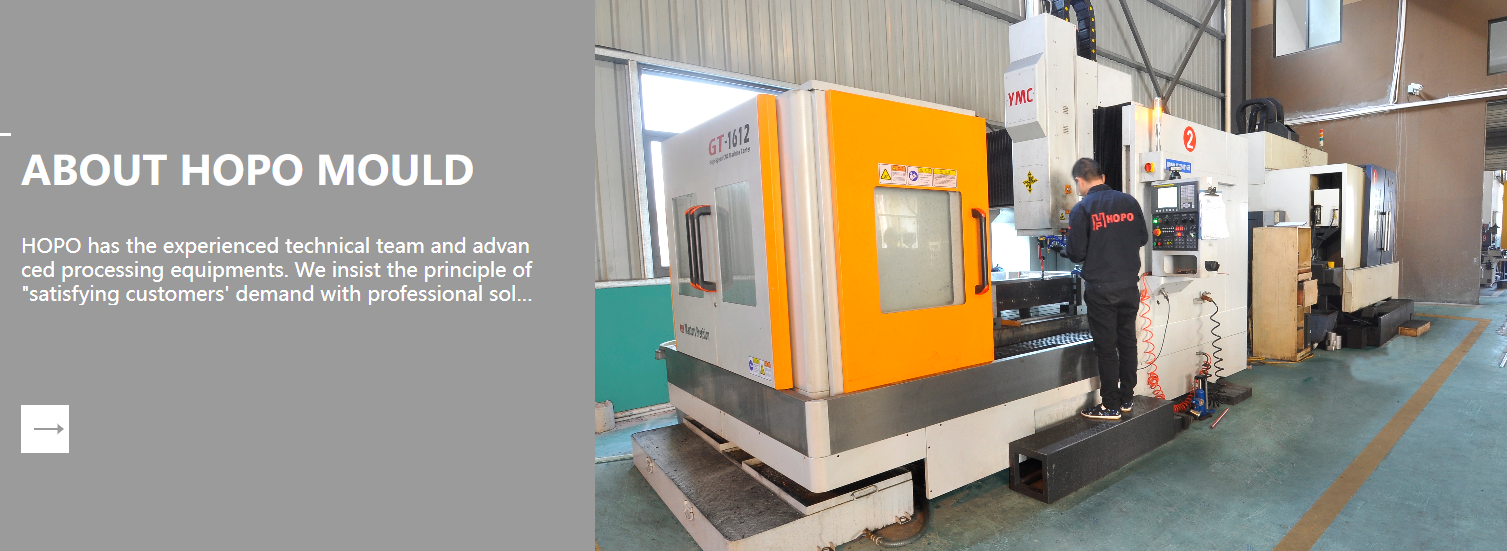
TAIZHOU HOPO MOULD & PLASTIC TECHNOLOGY CO., LTD is a professional plastic injection mould maker and relevant plastic products manufacturer established in 2012. Our Factory is in Zhejiang, China. We enjoy convenient land, water and air transportation, so we could provide short delivery time once the production finished. HOPO offer many kinds of high quality moulds, including daily use commodity moulds, home appliance moulds, automotive moulds, pipe fitting moulds and industrial products moulds, also could directy offer you those relevant plastic parts prodcution.
Related Articles
 The Top Injection Molding Industry Leader 2026-02-24 0
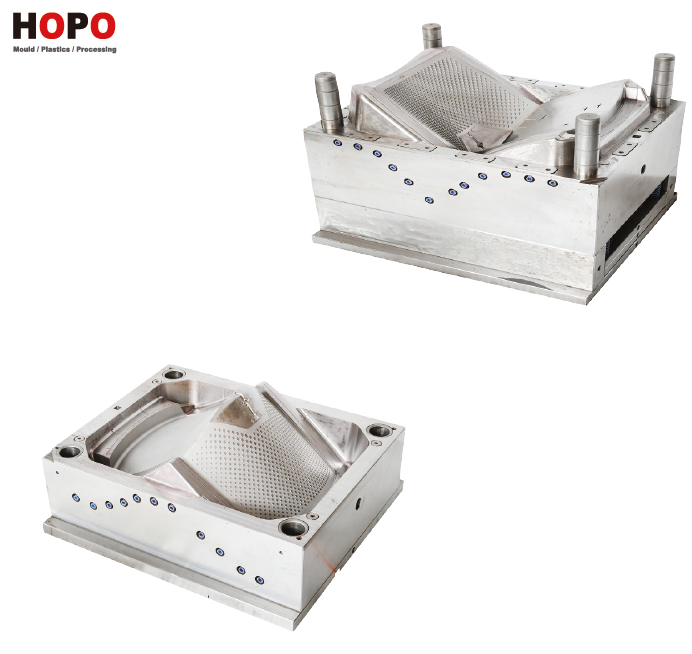 2026 Injection Molding Industry Leader 2026-02-24 0
 USA Top Custom Moulding Experts 2026-02-11 0
 2026 Architectural and Decorative Moulding Leaders in USA 2026-02-11 0
 2026 Top Industrial Plastic Injection Moulding Titans 2026-02-02 0
- 2026 Top Moulding Company 2026-02-02 0
- What Is an Aluminum Injection Mold and Why Is It Used 2026-01-19 0
 How Does Aluminum Material Grade Impact Mold Cost 2026-01-19 0
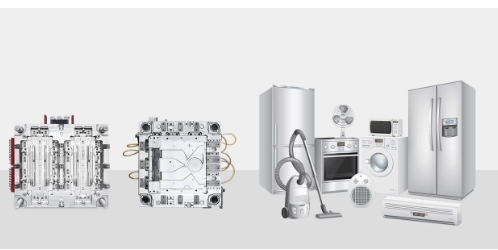 The Cost of an Aluminum Injection Mold 2026-01-19 0
 What Affects the Cost of an Aluminum Injection Mold 2026-01-19 0
 What Is the Strength of the 7 Most Common Injection Molding Plastics 2026-01-12 0
 How Thick Can You Injection Mold Plastic 2026-01-12 0
 What Are the 7 Steps of PLC 2025-12-16 0
 What Is PLC in Injection Molding 2025-12-16 0
- What Is the Minimum Wall Thickness of the 7 Main Types of Plastic 2025-12-11 0
 Industry Standards or Guidelines for Wall Thickness by Application 2025-12-11 0
 Why Does Plastic Shrink More in Thick Sections in Injection Molding 2025-12-02 0
 The Strongest Plastic for Injection Molding 2025-12-02 0
- Why is Machine Assistance Essential in High-Demand Mould Shops 2025-11-20 0
 Common Defects and Limitations Must Mold Finishers Anticipate with CP 2025-11-20 0
