
Top Steel Grades for Injection Molds
author: CHEN
2025-02-11
Steel Grades for Injection Molds
When it comes to injection molding, the choice of steel for the mold is crucial to the success of the production process. The right steel grade can impact the mold’s durability, performance, and the quality of the final product. Each steel grade has specific characteristics that make it suitable for different types of injection molding applications.
Choosing the right steel grade for your injection mold depends on several factors, including the material being molded, production volume, and mold durability requirements.
Here’s a quick summary:
- P20: Great for general-purpose and medium-volume production.
- H13: Best for high-temperature and abrasive applications.
- S7: Ideal for impact-resistant and high-stress molds.
- 420 Stainless Steel: The go-to option for corrosion-resistant applications.
- 1.2311: Perfect for precision molds with high durability.
- 1.2738: A versatile steel for high-volume production with good wear resistance.
- NAK 80: Premium steel for high-quality surface finishes and aesthetic demands.
- H13: Best for high-temperature and abrasive applications.
- S7: Ideal for impact-resistant and high-stress molds.
- 420 Stainless Steel: The go-to option for corrosion-resistant applications.
- 1.2311: Perfect for precision molds with high durability.
- 1.2738: A versatile steel for high-volume production with good wear resistance.
- NAK 80: Premium steel for high-quality surface finishes and aesthetic demands.
1. P20 Steel
P20 steel is one of the most widely used steel grades for injection molds, especially in general-purpose applications. It is a pre-hardened steel that is known for its balance of machinability and durability, making it ideal for producing molds that require moderate to high-volume production.
Key Features:
- Good machinability: Easy to work with, even for complex designs.
- Pre-hardened: Requires minimal post-processing.
- Good balance between cost and performance: A cost-effective option for medium-volume molding runs.
- Suitable for low to medium-volume production of plastic parts.
- Good machinability: Easy to work with, even for complex designs.
- Pre-hardened: Requires minimal post-processing.
- Good balance between cost and performance: A cost-effective option for medium-volume molding runs.
- Suitable for low to medium-volume production of plastic parts.
Best For: General-purpose molds, moderate-volume production, and plastic parts with simple designs.
2. H13 Steel: High Performance for Tough Applications
H13 steel is a hot-work tool steel known for its excellent heat resistance and toughness. It is commonly used for molds that are subjected to high temperatures or abrasive materials, as it retains its strength and performance even at elevated temperatures. This makes it ideal for high-performance molding applications.
Key Features:
- Excellent heat resistance: Can withstand high molding temperatures without losing strength.
- Good toughness: Resistant to thermal shock and cracking.
- Excellent wear resistance: Suitable for abrasive materials.
- High hardenability: Offers superior durability and lifespan.
- Excellent heat resistance: Can withstand high molding temperatures without losing strength.
- Good toughness: Resistant to thermal shock and cracking.
- Excellent wear resistance: Suitable for abrasive materials.
- High hardenability: Offers superior durability and lifespan.
Best For: High-temperature molding applications, high-volume production, and when molding with abrasive materials like glass-filled or metal-filled plastics.
3. S7 Steel: Tough and Impact-Resistant
S7 steel is a shock-resistant tool steel that is typically used in molds requiring impact resistance. It can endure sudden force or thermal shock, making it suitable for applications where the molds will face extreme conditions, such as those involving high-pressure molding or high-impact materials.
Key Features:
- Impact resistance: Designed to withstand sudden, extreme forces.
- Good hardenability: Retains strength and toughness under various conditions.
- High fatigue resistance: Performs well in applications with frequent mold cycles.
- Good machinability: Can be easily worked into complex designs.
- Impact resistance: Designed to withstand sudden, extreme forces.
- Good hardenability: Retains strength and toughness under various conditions.
- High fatigue resistance: Performs well in applications with frequent mold cycles.
- Good machinability: Can be easily worked into complex designs.
Best For: Molds subjected to high-impact conditions, die-casting, and tools requiring durability in extreme working environments.
4. 420 Stainless Steel: Corrosion-Resistant for Harsh Environments
For injection molding applications that involve corrosive materials or require the mold to be highly resistant to corrosion, 420 stainless steel is a popular choice. It is a martensitic stainless steel that offers good strength and corrosion resistance, making it suitable for environments where rust and oxidation could be a concern.
Key Features:
- Corrosion resistance: Excellent for molds exposed to water or corrosive chemicals.
- Good strength: Retains strength in both high and low temperatures.
- Moderate machinability: It can be more difficult to machine compared to non-stainless steel grades.
- Low cost: Affordable for its corrosion-resistant properties.
- Corrosion resistance: Excellent for molds exposed to water or corrosive chemicals.
- Good strength: Retains strength in both high and low temperatures.
- Moderate machinability: It can be more difficult to machine compared to non-stainless steel grades.
- Low cost: Affordable for its corrosion-resistant properties.
Best For: Molds exposed to chemicals, moisture, or extreme environmental conditions, such as those used for food packaging or medical devices.
5. 1.2311 Steel: High-Performance Tool Steel for Long Life
1.2311 steel, also known as X40CrMoV5-1, is a high-quality tool steel with high wear resistance and toughness. It is often used for precision molds that require high durability and the ability to withstand harsh operating conditions over a long service life. It is also pre-hardened, making it easier to machine.
Key Features:
- High wear resistance: Suitable for producing long-lasting, high-quality molds.
- High toughness: Resists cracking and deformation under pressure.
- Pre-hardened: Requires less processing time.
- High thermal stability: Can handle higher temperatures without losing shape.
- High wear resistance: Suitable for producing long-lasting, high-quality molds.
- High toughness: Resists cracking and deformation under pressure.
- Pre-hardened: Requires less processing time.
- High thermal stability: Can handle higher temperatures without losing shape.
Best For: Precision molding, high-volume production, and producing intricate designs or complex parts.
6. 1.2738 Steel: A Versatile Mold Steel
1.2738 steel, also known as 420M, is a highly versatile steel that offers a balanced combination of hardness and toughness, making it suitable for a wide range of applications. This steel is ideal for producing durable molds that need to handle large production runs.
Key Features:
- Good wear resistance: Ideal for molds subject to high wear and tear.
- High polishability: Produces smooth surfaces for high-quality molded parts.
- Good hardness: Suitable for applications requiring hardness and strength.
- Excellent dimensional stability: Helps ensure accurate, repeatable molding.
- Good wear resistance: Ideal for molds subject to high wear and tear.
- High polishability: Produces smooth surfaces for high-quality molded parts.
- Good hardness: Suitable for applications requiring hardness and strength.
- Excellent dimensional stability: Helps ensure accurate, repeatable molding.
Best For: Molds that require a high degree of durability, wear resistance, and smooth surface finishes.
7. NAK 80 Steel: The Premium Choice for Plastic Molding
NAK 80 steel is a high-quality steel often used for plastic injection molds where high-quality surface finishes are required. This steel grade is known for its excellent mold polishability and is often used for producing parts that demand high aesthetic standards.
Key Features:
- Excellent polishability: Ideal for producing molds that need smooth surfaces for high-quality parts.
- Good wear resistance: Resists damage from frequent use.
- Pre-hardened: Reduces post-processing time and cost.
- High-quality surface finish: Ensures parts have a shiny, smooth finish.
- Excellent polishability: Ideal for producing molds that need smooth surfaces for high-quality parts.
- Good wear resistance: Resists damage from frequent use.
- Pre-hardened: Reduces post-processing time and cost.
- High-quality surface finish: Ensures parts have a shiny, smooth finish.
Best For: Molds for high-precision plastic parts with aesthetic or cosmetic requirements, such as automotive interior components, consumer electronics, and medical products.
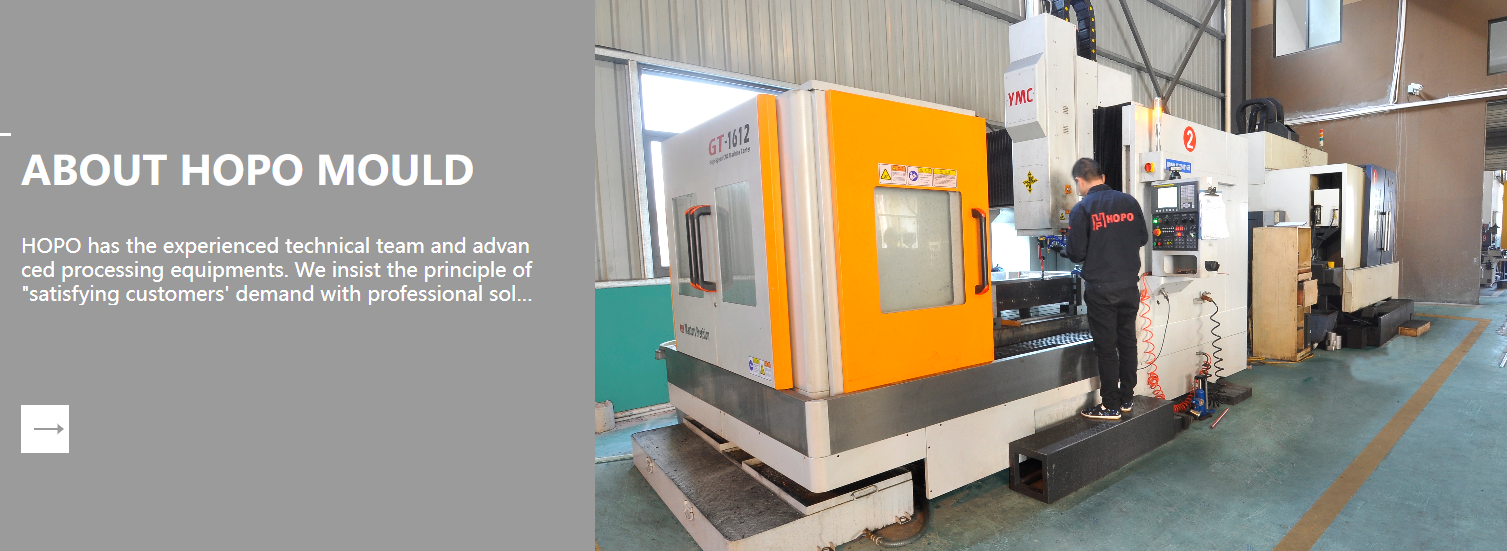
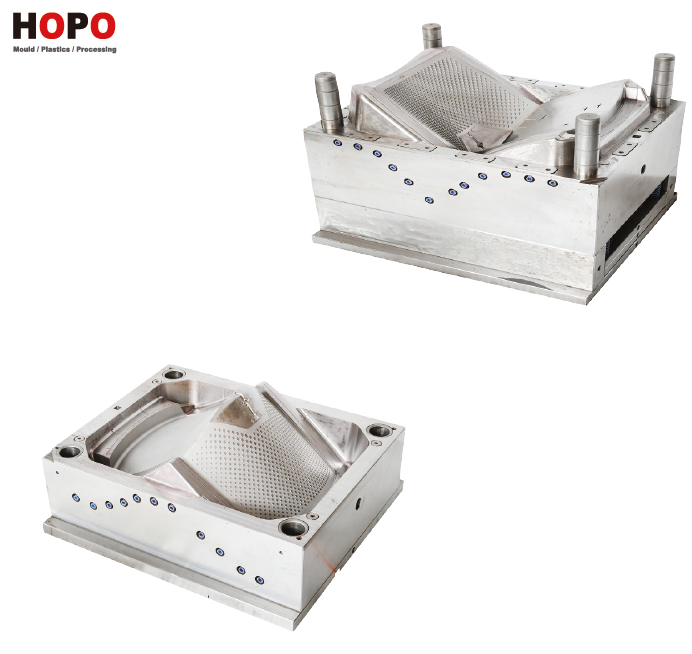
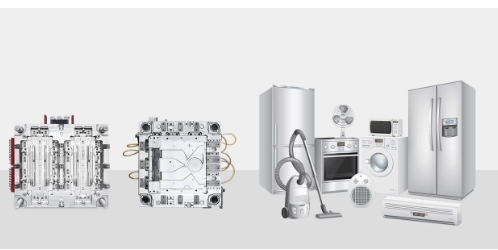
TAIZHOU HOPO MOULD & PLASTIC TECHNOLOGY CO., LTD is a professional plastic injection mould maker and relevant plastic products manufacturer established in 2012. Our Factory is in Zhejiang, China. We enjoy convenient land, water and air transportation, so we could provide short delivery time once the production finished. HOPO offer many kinds of high quality moulds, including daily use commodity moulds, home appliance moulds, automotive moulds, pipe fitting moulds and industrial products moulds, also could directy offer you those relevant plastic parts prodcution.
Related Articles
 The Top Injection Molding Industry Leader 2026-02-24 0
 2026 Injection Molding Industry Leader 2026-02-24 0
 USA Top Custom Moulding Experts 2026-02-11 0
 2026 Architectural and Decorative Moulding Leaders in USA 2026-02-11 0
 2026 Top Industrial Plastic Injection Moulding Titans 2026-02-02 0
- 2026 Top Moulding Company 2026-02-02 0
- What Is an Aluminum Injection Mold and Why Is It Used 2026-01-19 0
 How Does Aluminum Material Grade Impact Mold Cost 2026-01-19 0
 The Cost of an Aluminum Injection Mold 2026-01-19 0
 What Affects the Cost of an Aluminum Injection Mold 2026-01-19 0
 What Is the Strength of the 7 Most Common Injection Molding Plastics 2026-01-12 0
 How Thick Can You Injection Mold Plastic 2026-01-12 0
 What Are the 7 Steps of PLC 2025-12-16 0
 What Is PLC in Injection Molding 2025-12-16 0
- What Is the Minimum Wall Thickness of the 7 Main Types of Plastic 2025-12-11 0
 Industry Standards or Guidelines for Wall Thickness by Application 2025-12-11 0
 Why Does Plastic Shrink More in Thick Sections in Injection Molding 2025-12-02 0
 The Strongest Plastic for Injection Molding 2025-12-02 0
- Why is Machine Assistance Essential in High-Demand Mould Shops 2025-11-20 0
 Common Defects and Limitations Must Mold Finishers Anticipate with CP 2025-11-20 0
