
What are the Considerations for Plastic Injection Mold Design?
Basics of Plastic Injection Mold Design
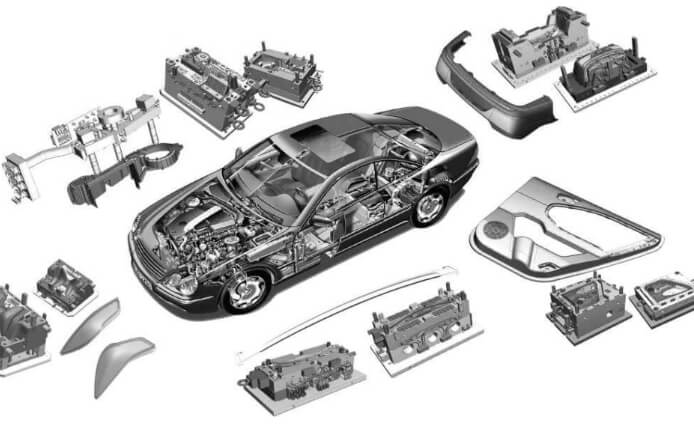
The basics of plastic injection mold design, as an important part of modern manufacturing, cover a variety of areas, from service providers to manufacturers to various injection molding supplies, as well as the fundamentals of plastic injection mold design. An in-depth knowledge of these fundamentals is key to understanding and applying plastic injection mold design.
A. Plastic injection molding services
Injection molding services are usually provided by specialized manufacturing companies that have state-of-the-art production equipment and extensive experience. They meet the needs of various industries for plastic products by providing injection molding manufacturing services to their customers. Injection molding manufacturers require a high degree of expertise and skill from design to production to delivery.
B. Injection molding supplies and role in the manufacturing process
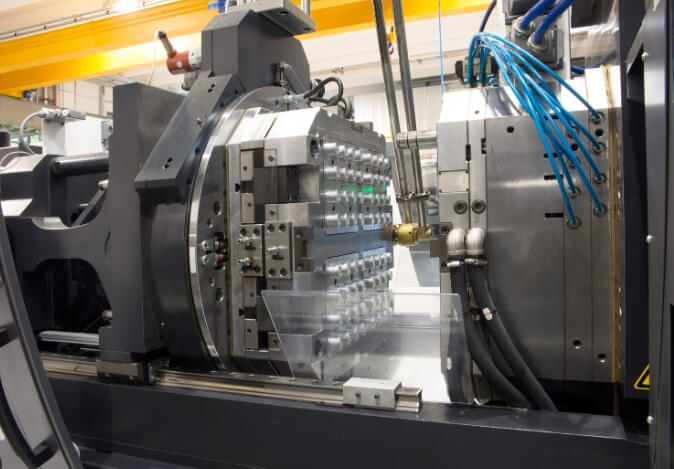
Injection molding supplies refer to various materials and auxiliary tools required in the injection molding process, including plastic pellets, masterbatches, injection molding machines, molds, etc. The selection of these supplies directly affects the quality and performance of the final product. The correct selection and use of injection molding supplies is an important step to ensure smooth production, but also a key link to optimize product design.
C. Basic principles of plastic injection mold design
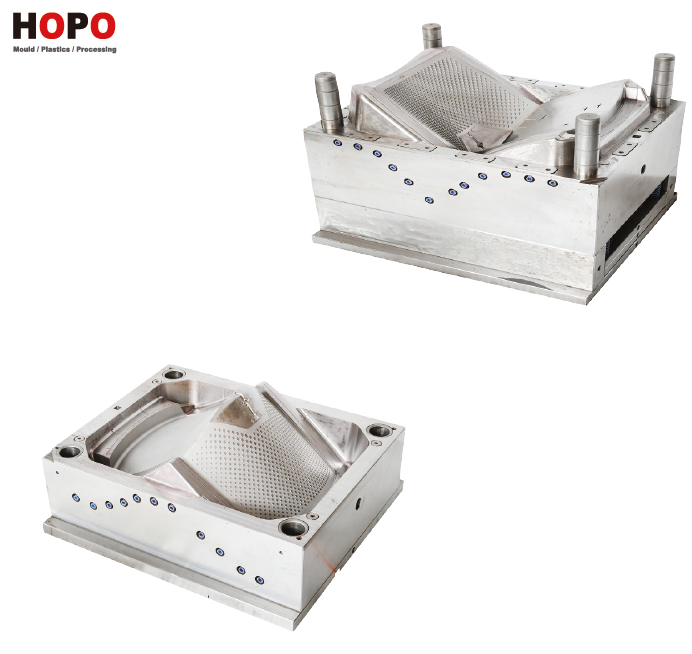
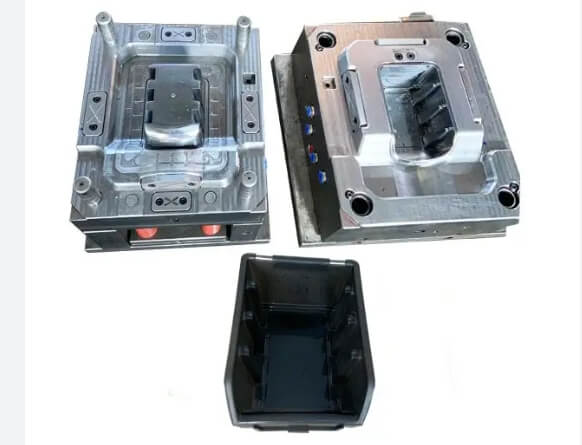
Plastic injection mold design is one of the most core aspects of the injection molding process. It involves many aspects such as structural design of the mold, material selection, temperature control and so on. By carefully designing the mold, it can ensure that the final product has the required shape, size and surface quality. The fundamentals of injection mold design include the design of the runner system, the setup of the cooling system, the shape of the cavity, etc. These are the key factors to ensure that the injection process is carried out stably and efficiently.
Considerations I: Material Selection and Characterization
A. Characteristics of different plastic materials
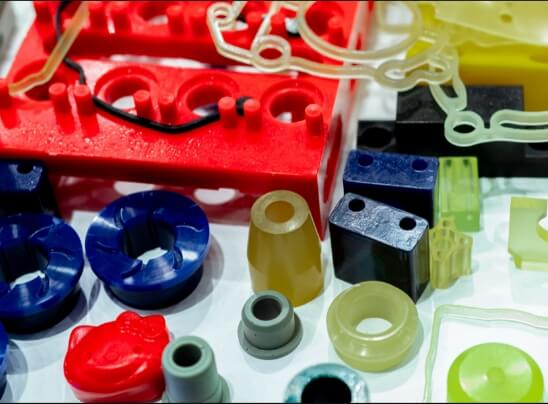
First of all, understanding the characteristics of different plastic materials is the basis for choosing the right material. Injection molding materials range from commonly used polymers to specialty plastics and polymer blends. There are literally hundreds of different plastic resins available, and they each have different end-use properties and processing requirements.Some common plastics include polyethylene (PE), polypropylene (PP), polyvinyl chloride (PVC), polystyrene (PS), and so on. Each type of plastic has unique characteristics such as density, hardness, temperature resistance, and chemical stability. Understanding these characteristics helps engineers select the right material for a particular application and ensures that the product will meet the design requirements.
B. impact of material selection on injection molding process and product performance
Material selection has a direct impact on the stability of the injection molding process and the performance of the final product. On the one hand, certain materials may flow more easily during the injection molding process, thus filling the mold more easily; on the other hand, the material's thermal shrinkage, flowability and other characteristics will affect the dimensional accuracy and surface quality of the product. When selecting materials, engineers need to consider the requirements of the injection molding process and the final product in order to achieve the best performance and quality.
C. How to choose the right plastic material according to product requirements
When selecting plastic materials, the first thing to do is to clarify the product's usage environment, functional requirements and cost budget. For example, parts that work in high-temperature environments may require high-temperature-resistant engineering plastics, while products with high transparency requirements may require plastic materials with better transparency. In addition, the cost factor is also an important consideration, and engineers need to choose materials that are economical and practical while meeting performance requirements.
.
Considerations II: Structural Design and Mold Life
A. Influence of mold structure on product quality
The design of mold structure is directly related to the shape, size and surface quality of the final product. A well-designed mold structure ensures that the plastic material fully fills the mold cavity and avoids defects such as bubbles and short shots. In addition, the mold structure also involves the setting of the cooling system. A reasonable cooling system can improve the stability of the injection process and reduce the risk of product deformation.
B. Relationship between mold life and material wear resistance
Mold life is affected by the wear resistance and fatigue strength of the material. During the operation of the mold, the constant injection cycle and high pressure environment will lead to the wear of the mold parts. Therefore, selecting materials with high wear resistance, such as cemented carbide or surface coatings, can significantly extend the life of the mold. In addition, by optimizing the structure of the mold and reducing the concentration of wear points, the life of the mold can also be effectively extended.
C. Design techniques and strategies to increase mold life
In order to increase mold life, engineers can adopt a series of design techniques and strategies. For example, set up the cooling system of the mold reasonably to ensure the temperature is evenly distributed and slow down the effect of thermal stress on the mold. In addition, adopting an automatic mold venting system to reduce the pressure on the mold during the injection process can help prevent air bubbles from being generated and reduce the load on the mold. Optimizing the opening and closing system of the mold and adopting proper mold lubrication can also effectively reduce wear and improve mold life.
Considerations III: Cost Control and Efficiency Improvement
A. Cost factors in plastic injection mold design
B. Optimize design to improve production efficiency
C. Application of precision manufacturing in plastic injection mold design
HOPO's Plastic Injection Mold Design Features and Advantages
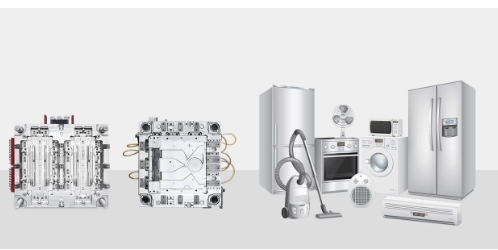
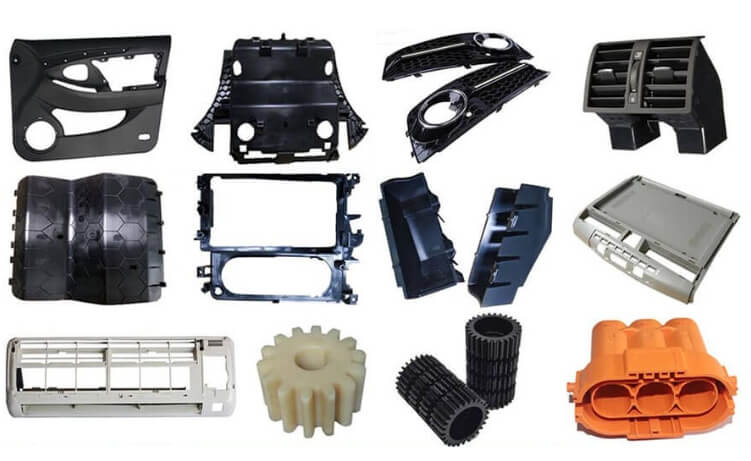
As a professional injection mold design and manufacturing company, HOPO has many years of experience and rich technical strength. HOPO is committed to providing customers with high-quality and high-performance injection molds covering a wide range of industry sectors, such as home appliances, automotive parts, electronic products, medical devices and so on.
HOPO has significant professional advantages in injection mold design. HOPO has a team of experienced engineers and designers, who are able to deeply understand the needs of customers and provide tailor-made design solutions.HOPO is extremely careful in the selection of mold materials, taking into full consideration of the characteristics of the product and the production environment, to ensure that the selected materials can maximize the wear resistance and life of the mold.HOPO pays attention to innovation in the design of the mold structure, and focuses on innovation in mold structure design, adopting advanced CAD technology and simulation tools to optimize the mold structure and improve the molding accuracy and surface quality of products. Moreover, HOPO has won the high trust and praise from customers in terms of product quality, delivery time and after-sales service.

Related Articles
 The Top Injection Molding Industry Leader 2026-02-24 0
 2026 Injection Molding Industry Leader 2026-02-24 0
 USA Top Custom Moulding Experts 2026-02-11 0
 2026 Architectural and Decorative Moulding Leaders in USA 2026-02-11 0
 2026 Top Industrial Plastic Injection Moulding Titans 2026-02-02 0
- 2026 Top Moulding Company 2026-02-02 0
- What Is an Aluminum Injection Mold and Why Is It Used 2026-01-19 0
 How Does Aluminum Material Grade Impact Mold Cost 2026-01-19 0
 The Cost of an Aluminum Injection Mold 2026-01-19 0
 What Affects the Cost of an Aluminum Injection Mold 2026-01-19 0
 What Is the Strength of the 7 Most Common Injection Molding Plastics 2026-01-12 0
 How Thick Can You Injection Mold Plastic 2026-01-12 0
 What Are the 7 Steps of PLC 2025-12-16 0
 What Is PLC in Injection Molding 2025-12-16 0
- What Is the Minimum Wall Thickness of the 7 Main Types of Plastic 2025-12-11 0
 Industry Standards or Guidelines for Wall Thickness by Application 2025-12-11 0
 Why Does Plastic Shrink More in Thick Sections in Injection Molding 2025-12-02 0
 The Strongest Plastic for Injection Molding 2025-12-02 0
- Why is Machine Assistance Essential in High-Demand Mould Shops 2025-11-20 0
 Common Defects and Limitations Must Mold Finishers Anticipate with CP 2025-11-20 0
