
What are the three basic types of injection Moulding machine?
author: Hopo Mould
2024-07-03
There are three types of injection molding machines, classified by the type of drive/motor — hydraulic, electric, or hybrid.
Hydraulic Injection Molding Machine
For plastic manufacturing, hydraulic injection molding machines play a pivotal role in shaping everything from intricate consumer goods to vital industrial components. These machines utilize hydraulic power to mold molten plastic into precise shapes, offering versatility, efficiency, and reliability. Here’s a comprehensive look at what makes hydraulic injection molding machines indispensable in today's manufacturing landscape.
Hydraulic injection molding machines are advanced manufacturing tools that use hydraulic power to generate the high pressures required for injecting molten plastic into molds. This process allows manufacturers to produce intricate and high-quality plastic parts with consistent accuracy and speed.
Key Components and Working Principles
1. Hydraulic System: Central to these machines is a robust hydraulic system that generates the immense pressure needed to inject the plastic resin into the mold cavity. This system comprises hydraulic pumps, motors, cylinders, and valves working in tandem to ensure precise control over the molding process.
2. Injection Unit: The injection unit includes the screw or piston mechanism responsible for melting and injecting the plastic resin into the mold. This unit heats the resin to its melting point and applies pressure to inject it into the mold under controlled conditions.
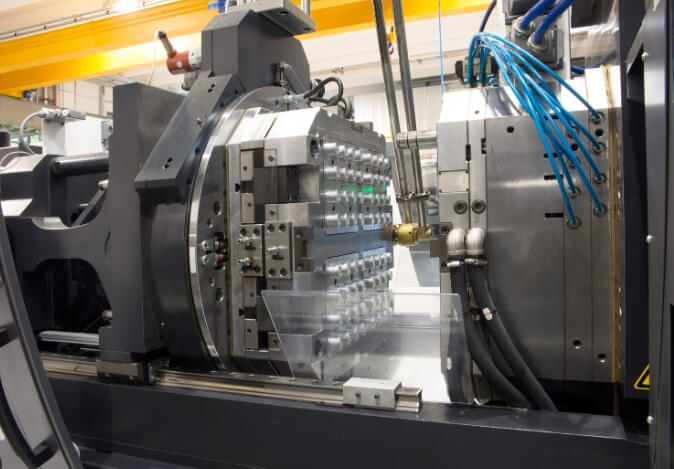
3. Clamping Unit: This unit securely holds the mold in place during the injection process. It consists of a hydraulic system that applies sufficient force to keep the mold closed against the pressure exerted by the injected plastic.
Advantages of Hydraulic Injection Molding Machines
- High Precision: Hydraulic machines offer exceptional precision and repeatability, ensuring consistent part quality across large production runs.
- Versatility: They can handle a wide range of plastic materials and complex part geometries, making them suitable for diverse industries from automotive to medical devices.
- Efficiency: Despite their high initial cost, hydraulic machines are efficient in energy consumption and operational costs over their lifecycle.
Applications in Various Industries
Hydraulic injection molding machines find applications in:
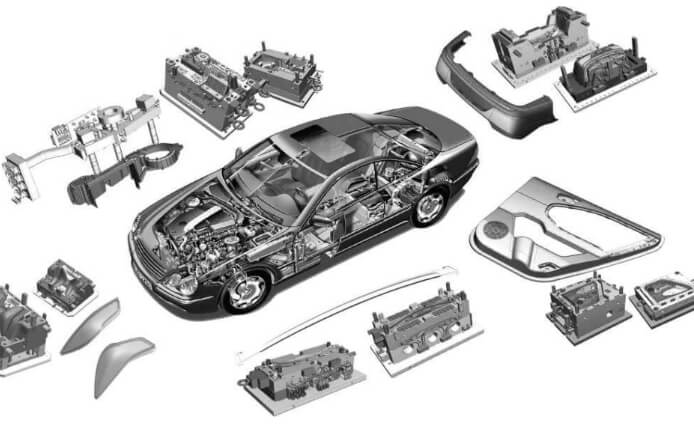
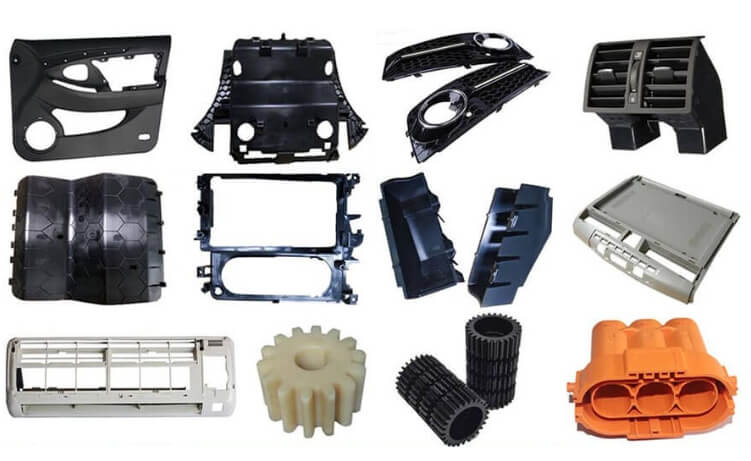
- Automotive Industry: For manufacturing car interiors, exterior components, and under-the-hood parts.
- Consumer Goods: Producing consumer electronics, household appliances, and toys.
- Medical Equipment: Manufacturing precision components for medical devices and equipment.
Future Trends and Innovations
As technology advances, hydraulic injection molding machines are integrating more sophisticated controls, automation features, and sustainability initiatives. Innovations in material handling, energy efficiency, and predictive maintenance are enhancing their performance and reducing environmental impact.
Hydraulic injection molding machines continue to be at the forefront of plastic manufacturing, offering unmatched precision, versatility, and reliability. With ongoing advancements and adaptations to new challenges, these machines remain essential in driving innovation across industries worldwide.
Electric Injection Molding Machine
Electric injection molding machines represent a significant advancement in plastic manufacturing, offering enhanced precision, energy efficiency, and operational control. This article explores the essential aspects of electric injection molding machines, highlighting their components, benefits, applications, and future trends.
Electric injection molding machines utilize electric servo motors to control the injection process, offering a cleaner, quieter, and more energy-efficient alternative to traditional hydraulic machines. These machines have gained popularity for their ability to produce high-quality parts with greater precision and repeatability.
Key Components and Working Principles
1. Electric Servo Motors: These motors drive the various movements of the machine, including the injection, clamping, and ejection processes. They provide precise control over speed, pressure, and position, resulting in higher accuracy.
2. Injection Unit: The injection unit in electric machines comprises a screw or plunger mechanism that melts and injects the plastic resin into the mold. Electric motors precisely control the rotation and movement of the screw, ensuring consistent material flow.
3. Clamping Unit: This unit holds the mold in place during the injection process. Electric servo motors apply and regulate clamping force, maintaining optimal pressure to ensure accurate part formation.
Advantages of Electric Injection Molding Machines
- Precision and Repeatability: Electric machines offer unparalleled precision, enabling the production of complex and high-tolerance parts with consistent quality.
- Energy Efficiency: Electric machines consume significantly less energy compared to hydraulic machines, leading to cost savings and reduced environmental impact.
- Clean and Quiet Operation: Electric machines operate more quietly and do not require hydraulic oil, resulting in a cleaner working environment.
- Faster Cycles: Electric machines can achieve faster cycle times due to their precise control over movements, enhancing productivity.
Applications in Various Industries
Electric injection molding machines are utilized in diverse industries, including:
- Automotive: Manufacturing precision components such as connectors, switches, and interior parts.
- Electronics: Producing intricate parts for consumer electronics, including housings, connectors, and circuit boards.
- Medical Devices: Fabricating high-precision components for medical equipment and devices, where cleanliness and accuracy are paramount.
- Consumer Goods: Manufacturing high-quality plastic products such as kitchenware, toys, and packaging.
Future Trends and Innovations
The future of electric injection molding machines is marked by advancements in smart manufacturing and automation. Integration with Industry 4.0 technologies, such as IoT, artificial intelligence, and machine learning, is driving innovation in predictive maintenance, process optimization, and real-time monitoring. Additionally, efforts to further enhance energy efficiency and sustainability are shaping the development of next-generation electric machines.
Electric injection molding machines have revolutionized plastic manufacturing by offering precision, efficiency, and environmental benefits. Their ability to produce high-quality parts with consistent accuracy makes them an invaluable asset across various industries. As technology continues to evolve, electric machines will play an increasingly vital role in meeting the demands of modern manufacturing, driving innovation, and sustainability in the process.
Hybrid Injection Molding Machine
Hybrid injection molding machines represent a fusion of hydraulic and electric technologies, offering the benefits of both systems to provide enhanced performance, efficiency, and versatility in plastic manufacturing. This article explores the essential aspects of hybrid injection molding machines, highlighting their components, advantages, applications, and future trends.
Hybrid injection molding machines combine the precision and energy efficiency of electric drives with the power and versatility of hydraulic systems. This hybrid approach allows manufacturers to achieve high-quality, cost-effective production while maintaining flexibility in processing various plastic materials and part designs.
Key Components and Working Principles
1. Electric and Hydraulic Drives: Hybrid machines utilize electric servo motors for precise control of movements such as injection and clamping, while hydraulic systems provide the necessary power for high-pressure applications. This combination ensures optimal performance across various production requirements.
2. Injection Unit: The injection unit in hybrid machines features both electric and hydraulic components. Electric servo motors control the screw or plunger mechanism for accurate material flow, while hydraulic systems generate the necessary force for high-speed injection.
3. Clamping Unit: The clamping unit combines electric and hydraulic technologies to provide precise control over clamping force and mold positioning. Electric drives offer fast and accurate movements, while hydraulic systems ensure sufficient force for maintaining mold integrity during injection.
Advantages of Hybrid Injection Molding Machines
- Precision and Control: Hybrid machines offer the precise control of electric drives, enabling the production of complex and high-tolerance parts with consistent quality.
- Energy Efficiency: By utilizing electric drives for specific functions, hybrid machines achieve significant energy savings compared to fully hydraulic systems.
- Versatility: The combination of hydraulic and electric technologies allows hybrid machines to handle a wide range of materials and part geometries, making them suitable for diverse applications.
- Reduced Cycle Times: Hybrid machines can achieve faster cycle times due to the precise control of electric drives and the high-speed capabilities of hydraulic systems, enhancing productivity.
Applications in Various Industries
Hybrid injection molding machines are utilized across various industries, including:
- Automotive: Manufacturing precision components such as connectors, switches, interior parts, and under-the-hood components.
- Electronics: Producing intricate parts for consumer electronics, including housings, connectors, and circuit boards.
- Medical Devices: Fabricating high-precision components for medical equipment and devices, where cleanliness, accuracy, and material versatility are paramount.
- Consumer Goods: Manufacturing high-quality plastic products such as kitchenware, toys, and packaging.
Hybrid injection molding machines offer the best of both hydraulic and electric technologies, providing manufacturers with enhanced precision, efficiency, and versatility. Their ability to produce high-quality parts with consistent accuracy makes them an invaluable asset across various industries. As technology continues to evolve, hybrid machines will play an increasingly vital role in meeting the demands of modern manufacturing, driving innovation, and sustainability in the process.
Related Articles
 The Top Injection Molding Industry Leader 2026-02-24 0
 2026 Injection Molding Industry Leader 2026-02-24 0
 USA Top Custom Moulding Experts 2026-02-11 0
 2026 Architectural and Decorative Moulding Leaders in USA 2026-02-11 0
 2026 Top Industrial Plastic Injection Moulding Titans 2026-02-02 0
- 2026 Top Moulding Company 2026-02-02 0
- What Is an Aluminum Injection Mold and Why Is It Used 2026-01-19 0
 How Does Aluminum Material Grade Impact Mold Cost 2026-01-19 0
 The Cost of an Aluminum Injection Mold 2026-01-19 0
 What Affects the Cost of an Aluminum Injection Mold 2026-01-19 0
 What Is the Strength of the 7 Most Common Injection Molding Plastics 2026-01-12 0
 How Thick Can You Injection Mold Plastic 2026-01-12 0
 What Are the 7 Steps of PLC 2025-12-16 0
 What Is PLC in Injection Molding 2025-12-16 0
- What Is the Minimum Wall Thickness of the 7 Main Types of Plastic 2025-12-11 0
 Industry Standards or Guidelines for Wall Thickness by Application 2025-12-11 0
 Why Does Plastic Shrink More in Thick Sections in Injection Molding 2025-12-02 0
 The Strongest Plastic for Injection Molding 2025-12-02 0
- Why is Machine Assistance Essential in High-Demand Mould Shops 2025-11-20 0
 Common Defects and Limitations Must Mold Finishers Anticipate with CP 2025-11-20 0
