
What Factors Affect Injection Mold Cost?
author: CHEN
2025-07-15
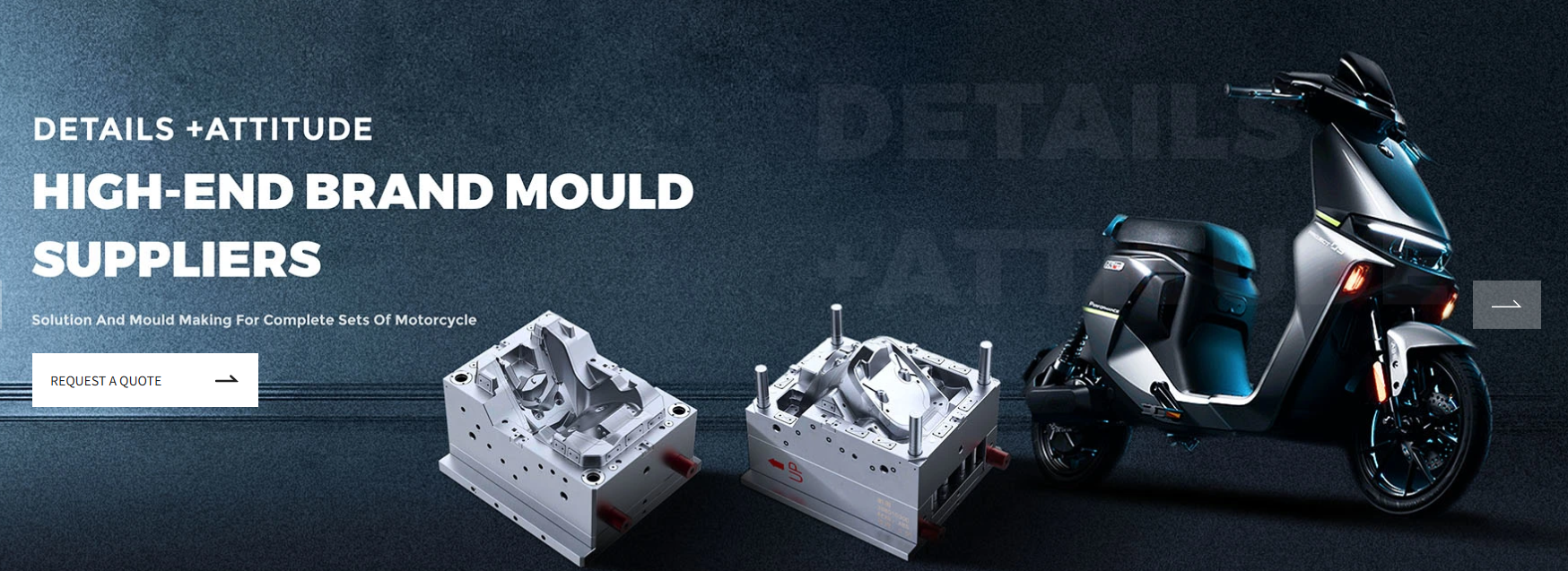
Injection molding is a popular manufacturing process for mass-producing plastic parts with high precision and repeatability. But before production can begin, a critical investment must be made: the mold itself. Understanding how much an injection mold costs—and what drives that cost—is essential for budgeting, planning, and negotiating with suppliers.
Next we will find out what influence injection mold costs, provide realistic price ranges, and include a comparison table to help you make informed decisions as a manufacturer.
What Is an Injection Mold?
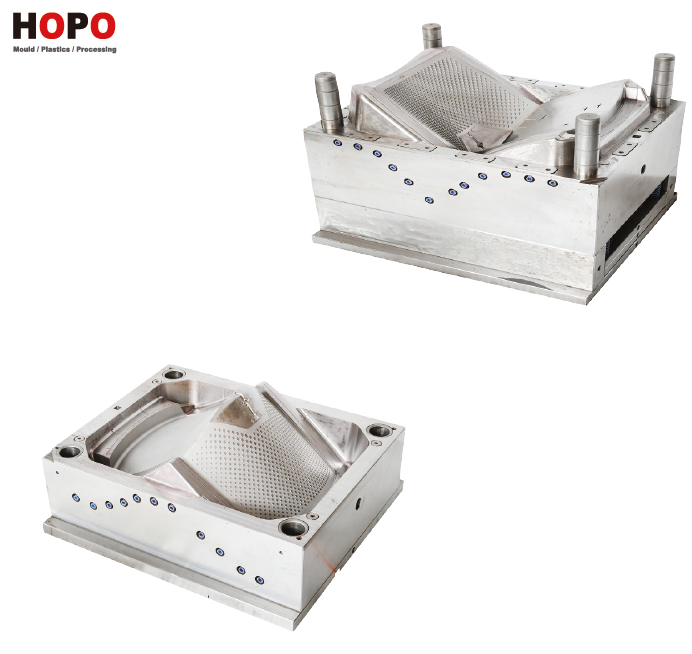
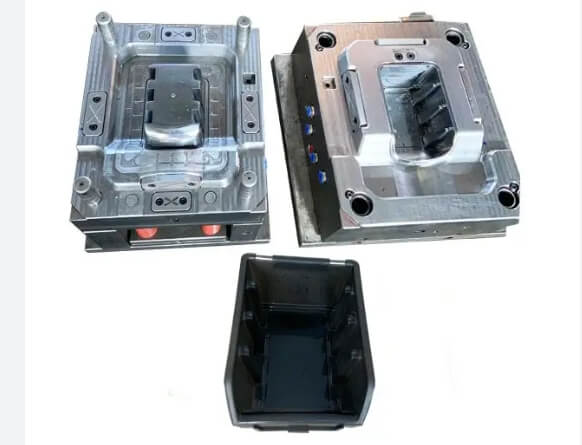
An injection mold is a precision-engineered metal tool—usually made from steel or aluminum—that shapes molten plastic into a desired form when injected under pressure. Each mold is custom-made for the part being produced, which means design complexity, material, and production requirements all affect the cost.
Injection Mold Cost Overview (Quick Answer)
|
Type of Mold
|
Estimated Cost Range (USD)
|
|
Prototype Mold (Aluminum)
|
$1,000 – $5,000
|
|
Low-Volume Production Mold
|
$5,000 – $15,000
|
|
Mid-Volume Production Mold
|
$15,000 – $40,000
|
|
High-Volume Production Mold
|
$40,000 – $100,000+
|
|
Multi-Cavity/Complex Mold
|
$50,000 – $200,000+
|
Prices vary based on region, material, complexity, size, and expected production volume.
What Factors Affect Injection Mold Cost?
1. Material of the Mold
* Aluminum molds are cheaper and quicker to machine, often used for prototyping or low-volume runs.
* Steel molds are more durable and suitable for high-volume production but cost more to produce.
|
Material
|
Durability
|
Cost
|
Best For
|
|
Aluminum
|
Moderate
|
Lower ($)
|
Prototypes, <5,000 shots
|
|
P20 Steel
|
High
|
Medium ($$)
|
Medium production
|
|
H13/NAK80
|
Very High
|
High ($$$)
|
High production, >100k shots
|
2. Complexity of the Part
Intricate designs, undercuts, threads, or tight tolerances require advanced machining, which raises the mold cost.
3. Number of Cavities
More cavities = more parts per cycle = higher upfront cost but lower cost per part.
|
Cavities
|
Mold Cost
|
Production Speed
|
|
Single-cavity
|
Low
|
Slow
|
|
Multi-cavity
|
High
|
Fast
|
|
Family mold
|
Medium–High
|
Medium (multi-parts)
|
4. Part Size
Larger parts require more mold material, longer machining times, and higher tonnage machines, all of which increase costs.
5. Expected Volume
A mold for 1,000 parts will be different from one designed for 1 million parts. The higher the expected volume, the more durable—and expensive—the mold needs to be.
6. Mold Base and Components
Standardized mold bases are cheaper. Custom bases, inserts, sliders, hot runners, or lifters add to the complexity and price.
7. Tooling Location
Molds manufactured in countries like China, India, or Vietnam are generally more affordable than those made in the US, Europe, or Japan, although trade-offs exist in lead time and quality assurance.
Cost Comparison Table by Mold Type
|
Application
|
Mold Type
|
Material
|
Cavities
|
Est. Cost
|
Production Life
|
|
Prototype
|
Aluminum
|
Aluminum
|
1–2
|
$1,000–$5,000
|
~500–5,000 shots
|
|
Low-volume Production
|
Soft Steel (P20)
|
Steel
|
1–4
|
$5,000–$15,000
|
~50,000 shots
|
|
Mid-volume Production
|
Hardened Steel (NAK80)
|
Steel
|
4–8
|
$15,000–$40,000
|
~100,000–300,000 shots
|
|
High-volume Production
|
H13 Steel
|
Steel
|
8+
|
$40,000–$100,000+
|
500,000+ shots
|
|
Complex Multi-part
|
Family/Multi-cavity Mold
|
Steel
|
2+ parts
|
$50,000–$200,000+
|
Varies by design complexity
|
Additional Costs to Consider
* Design and engineering fees
* Mold testing and validation
* Mold maintenance and repair over time
* Shipping (especially for overseas tooling)
Tips to Reduce Mold Cost Without Sacrificing Quality
Here are practical tips to reduce injection mold cost without sacrificing quality — especially useful for injection molding manufacturers who want to stay competitive without cutting corners:
1. Optimize Your Part Design for Manufacturability (DFM)
The earlier you involve a tooling expert in the product design phase, the more cost-saving opportunities you unlock. Avoiding undercuts, minimizing wall thickness variations, and reducing unnecessary features make the mold simpler and cheaper to build.
Why it saves money:
Reduces complexity, machining time, and risk of defects.
2. Choose the Right Mold Material for Your Production Volume
You don’t need high-grade H13 steel for a short-run job. Aluminum molds or P20 steel are more affordable and fast to manufacture, perfect for prototyping or small batches.
Why it saves money:
Prevents overengineering; matches tool life with actual usage needs.
3. Use Standard Mold Bases and Components
Custom mold bases cost more and have longer lead times. Many mold makers offer standardized mold frames, ejector systems, and other components that work well for a wide range of applications.
Why it saves money:
Reduces tooling time and sourcing costs.
4. Consolidate Parts Where Possible
If your product can be redesigned to combine multiple parts into one molded piece, it eliminates the need for multiple molds and assembly labor.
Why it saves money:
Fewer molds, fewer assembly steps, less maintenance.
5. Limit the Number of Cavities – Strategically
More cavities mean higher mold costs, but they lower cost per part in the long run. For small production runs, a single or dual-cavity mold may be more cost-effective initially.
Why it saves money:
Avoids overpaying for capacity you don't use.
6. Design for Uniform Wall Thickness
Consistent wall thickness allows for smoother material flow and reduces defects like sink marks or warping, which can complicate mold design and quality control.
Why it saves money:
Simplifies the mold design and reduces scrap rate.
7. Avoid Tight Tolerances Unless Absolutely Necessary
Precision tolerances require high-end tooling and more processing time. If tolerances are too strict in non-critical areas, you're paying for unnecessary precision.
Why it saves money:
Lowers machining time and tool wear.
8. Consider Family Molds for Related Parts
If your project includes several small components used in the same assembly, a family mold can produce them simultaneously.
Why it saves money:
Reduces tooling cost per part and improves cycle efficiency.
9. Work With a Mold Maker Who Offers Design Support
Some suppliers provide mold flow analysis, DFM feedback, and prototyping as part of their service. These insights help prevent costly rework or part failure later.
Why it saves money:
Improves design quality up front, reducing errors and revisions.
10. Get Quotes from Both Local and Offshore Mold Makers
Offshore manufacturers (especially in China or India) often offer lower prices. However, don't overlook quality, communication, and after-sales service when comparing options.
Why it saves money:
Helps find the right balance between price, quality, and service.
Invest Smart for Long-Term Savings
While injection molds can be a significant upfront investment, a well-designed and durable mold will save thousands in production efficiency, part consistency, and maintenance over time. For B2B buyers and injection molding manufacturers, knowing what drives cost empowers smarter decisions in choosing suppliers, budgeting projects, and scaling production.
Related Articles
 The Top Injection Molding Industry Leader 2026-02-24 0
 2026 Injection Molding Industry Leader 2026-02-24 0
 USA Top Custom Moulding Experts 2026-02-11 0
 2026 Architectural and Decorative Moulding Leaders in USA 2026-02-11 0
 2026 Top Industrial Plastic Injection Moulding Titans 2026-02-02 0
- 2026 Top Moulding Company 2026-02-02 0
- What Is an Aluminum Injection Mold and Why Is It Used 2026-01-19 0
 How Does Aluminum Material Grade Impact Mold Cost 2026-01-19 0
 The Cost of an Aluminum Injection Mold 2026-01-19 0
 What Affects the Cost of an Aluminum Injection Mold 2026-01-19 0
 What Is the Strength of the 7 Most Common Injection Molding Plastics 2026-01-12 0
 How Thick Can You Injection Mold Plastic 2026-01-12 0
 What Are the 7 Steps of PLC 2025-12-16 0
 What Is PLC in Injection Molding 2025-12-16 0
- What Is the Minimum Wall Thickness of the 7 Main Types of Plastic 2025-12-11 0
 Industry Standards or Guidelines for Wall Thickness by Application 2025-12-11 0
 Why Does Plastic Shrink More in Thick Sections in Injection Molding 2025-12-02 0
 The Strongest Plastic for Injection Molding 2025-12-02 0
- Why is Machine Assistance Essential in High-Demand Mould Shops 2025-11-20 0
 Common Defects and Limitations Must Mold Finishers Anticipate with CP 2025-11-20 0
