
What is ABS and How is it Used in Injection Molding?
If you’ve ever used a plastic toy, a kitchen appliance, or even parts of your car, chances are you’ve come across ABS—a super popular plastic. Acrylonitrile Butadiene Styrene (or ABS for short) is a tough, durable, and versatile plastic that’s widely used in injection molding. But what makes it so special?
ABS is made from three components: acrylonitrile for resistance to chemicals, butadiene for toughness, and styrene for rigidity. Together, these properties make ABS ideal for injection molding, a process where melted plastic is injected into a mold to create the shape of a product. It’s a great choice for making everything from electronic casings to car parts and even toys like LEGO bricks.
Why ABS is a Top Choice for Injection Molding: Properties, Benefits, and Applications
ABS really shines in the injection molding world. Why? Let’s break it down:
- Durability: ABS is tough and impact-resistant, so it’s perfect for products that need to withstand wear and tear, like electronic devices, automotive parts, and even consumer goods.
- Flexibility: Despite its toughness, ABS is surprisingly easy to mold into complex shapes, making it ideal for intricate designs.
- Smooth Finish: ABS offers a smooth, glossy finish, making it easy to paint and decorate—ideal for products where aesthetics matter.
From medical equipment to furniture parts, ABS is everywhere because it’s reliable, affordable, and can be used in many different applications.
ABS Plastic in Injection Molding: Everything You Need to Know
Okay, so now you know what ABS is, but how does it fit into the injection molding process? Here’s a quick rundown:
- Why ABS is Perfect for Injection Molding: ABS is a thermoplastic, meaning it softens when heated and hardens as it cools, which makes it perfect for injection molding.
- Molding Process: ABS melts easily and flows well into molds, which is one of the reasons it’s so popular for molding complex shapes.
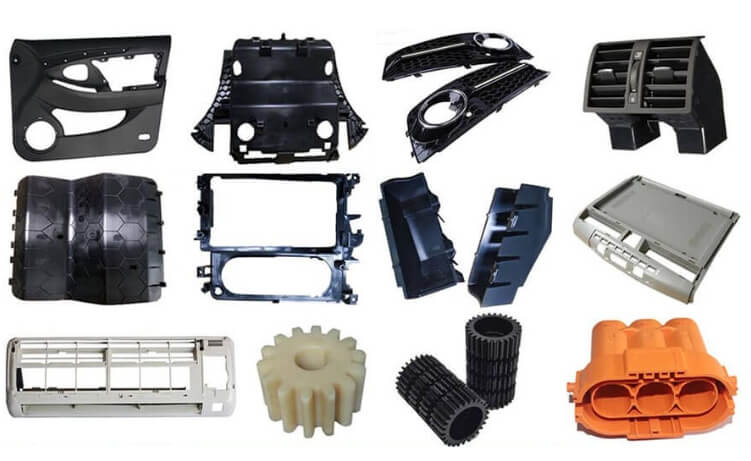
- Where ABS is Used: You’ll find ABS used for car bumpers, electronics housings, appliance parts, and more, thanks to its durability and ability to hold fine details.
The Advantages of Using ABS for Injection Molding in Consumer Products
ABS is a go-to for consumer products. Here’s why it’s so popular in everything from toys to tech gadgets:
- Impact Resistance: ABS won’t crack or break easily, making it perfect for everyday items that are dropped or knocked around, like laptops, headphones, and kitchen appliances.
- Lightweight but Strong: ABS is strong enough to protect your devices and appliances but light enough to not weigh them down.
- Aesthetically Pleasing: It’s easy to paint or finish, so ABS is great for products that need to look sleek and polished.
Whether it’s your vacuum cleaner, electronic toys, or storage containers, ABS is often the plastic you’re interacting with because it delivers both durability and looks.
How ABS Plastic is Revolutionizing Injection Molding for Automotive and Electronics
ABS is a game-changer, especially in industries like automotive manufacturing and electronics. In the automotive world, it’s used in everything from dashboard panels to exterior trim because it’s tough enough to endure harsh weather and impact. Plus, it’s lightweight, helping to reduce vehicle weight.
In electronics, ABS is key for creating strong, protective casings for devices like printers, smartphones, and computers. Its shock-resistance and ability to mold into precise, complex shapes make it indispensable in these industries.
Is ABS the Right Material for Your Injection Molding Project?
Still not sure if ABS is the right choice for your project? Consider these factors:
- Need Something Tough?: ABS is your friend if you need a material that can handle high impact and stress—whether it’s for car parts or toys.
- Got a Complex Design?: ABS can handle intricate shapes and fine details, so if you have a unique or detailed design, ABS is a solid choice.
- Budget-Friendly?: ABS is relatively cost-effective compared to other plastics, so if you’re on a budget, it’s a great way to get high-quality parts without breaking the bank.
If your project needs strength, complexity, and affordability, ABS is a strong contender.
ABS Plastic Key Benefits for Injection Molding and Industrial Applications
Beyond consumer products, ABS is also a staple in industrial applications. Here’s why:
- Mechanical Strength: ABS is strong and impact-resistant, which makes it great for industrial tools, machinery components, and equipment housings.
- Customization: ABS can be modified with fillers or additives to give it extra properties like flame resistance, UV resistance, or even extra strength.
- Recyclability: As more companies look to go green, ABS’s ability to be recycled makes it an attractive option. It can be reprocessed and reused, reducing environmental impact.
From robotic components to machinery housings, ABS is a versatile plastic that can meet the needs of demanding industrial applications.
Advantages of ABS in Injection Molding
ABS (Acrylonitrile Butadiene Styrene) is one of the most popular materials used in injection molding, and for good reason. Let’s dive into why it’s such a great choice for so many projects.
Durability You Can Count On - ABS is tough. Really tough. It can take a beating and keep on going, which is why you see it in so many consumer goods, from toys to appliances. It’s resistant to impact, so it’s ideal for things that are dropped or knocked around. Think of those LEGO bricks—ABS is the reason they can survive endless hours of play without cracking or breaking.
Affordable Without Sacrificing Quality - For the strength and versatility it offers, ABS is relatively inexpensive. This makes it a go-to choice for manufacturers who need a cost-effective option for making products that still need to perform well. Whether it’s auto parts, electronic casings, or kitchen tools, ABS is a budget-friendly solution that doesn’t cut corners on quality.
Great for Complex Designs - If your project requires intricate shapes or fine details, ABS is perfect for injection molding. It flows easily into molds, which makes it great for creating things like electronic housings, toys, or automotive parts. The process allows you to get the exact design you want without extra hassle.
Smooth, Glossy Finish - ABS is one of those plastics that takes paint and finishes well. It’s perfect for products that need a polished look, like smartphone cases or appliance covers. Plus, it’s smooth and can hold vibrant colors, which is why it’s so popular in consumer-facing products.
Resistant to Weather and Chemicals - Whether it’s rain, sunshine, or the occasional spill, ABS handles it all. Its resistance to UV rays and moisture means it’s perfect for outdoor products. It also resists a variety of chemicals, making it useful in everything from automotive parts to medical equipment.
Applications of ABS in Injection Molding
ABS is everywhere, and it's used in tons of products across different industries. Here’s where you’ll most commonly find it:
1. Consumer Goods - From toys to electronics, ABS is the material of choice for a huge range of products. The biggest example? LEGO bricks—they’re made from ABS because it’s tough and holds up to heavy use. You’ll also find it in the plastic housings of many electronic devices, such as smartphones, TV remotes, and home appliances. It’s affordable and durable, which makes it perfect for products we use every day.
2. Automotive Parts - In the automotive world, ABS is used for things like dashboards, bumpers, and exterior trims. Why? Because it’s impact-resistant and can stand up to the harsh conditions of the road, whether it’s extreme temperatures, moisture, or constant vibrations. ABS also helps lighten the weight of the car, which is always a plus in fuel efficiency.
3. Industrial Applications - ABS is widely used in the industrial sector, too. Think piping systems, tool casings, and machinery components—ABS’s strength and resilience make it a go-to for these applications. Plus, it’s easy to mold into parts with complex shapes or detailed features, which is why it’s often used for making components in machinery and medical devices.
4. Furniture and Construction - Need to build something durable and affordable for the home? ABS is used in everything from furniture parts (think chairs, tables, and storage units) to building materials. It can withstand wear and tear without getting damaged, and it’s easy to shape into different styles and sizes.
Alternatives to ABS in Injection Molding
While ABS is a fantastic option, there are other plastics that might be a better fit depending on your project’s needs. Here’s a quick look at some popular alternatives:
Polycarbonate (PC) - Polycarbonate is similar to ABS in that it’s tough, but it’s also much clearer and more transparent. It’s often used in applications like eyewear lenses and lighting covers where you need to see through the material. While it’s more expensive than ABS, it can handle higher temperatures, making it a good option for products that will be exposed to heat.
Polypropylene (PP) - If you need something flexible, lightweight, and chemical-resistant, polypropylene might be your best bet. It’s used for things like containers, medical supplies, and plastic bags. However, polypropylene is less impact-resistant than ABS, so it’s not ideal for products that need to stand up to heavy use or wear.
Acrylic (PMMA) - Acrylic, also known as Plexiglas, is another material that’s great for clarity. If you need something that’s going to be transparent and durable but don’t require the strength of ABS, acrylic is a solid choice. It’s perfect for displays, signage, or automotive lenses. However, it’s more brittle than ABS, so it’s less ideal for applications where impact resistance is important.
Nylon - Nylon is incredibly strong and abrasion-resistant, which makes it a popular choice for industrial machinery parts. It can handle wear and tear better than ABS, but it tends to absorb moisture, which can affect its properties. If you need something that stands up to rough use and won’t easily break down, nylon might be a better option.
Polyethylene (PE) - Polyethylene is another common material in injection molding, but it’s generally used for flexible items like plastic bags and bottles. It’s lightweight and resistant to chemicals, but it doesn’t have the same rigidity or impact resistance as ABS, which is why it’s not often used for high-stress applications.
ABS is one of the most versatile and cost-effective plastics out there, making it a great choice for injection molding projects. Its durability, flexibility, and ease of molding into complex shapes make it the go-to material for everything from consumer products and automotive parts to industrial tools.
Of course, depending on your project’s specific needs, you might find that other materials like polycarbonate, polypropylene, or nylon are better suited to your goals. But for many applications, ABS remains one of the best choices out there.
Whether you’re designing toys, electronics, or machinery, understanding ABS’s benefits and knowing your material options will help you create the best product for your needs.
ABS Injection Molding Process: How It Works and What You Should Know
To make sure your ABS injection molding project goes smoothly, it’s helpful to know how the process works:
1. Step 1: Material Selection – ABS is chosen based on the properties you need, like color, impact resistance, or strength.
2. Step 2: Melting – ABS pellets are heated until they melt, turning into a thick, viscous liquid that can be injected into a mold.
3. Step 3: Injection – The melted ABS is injected into a mold where it cools and solidifies into the desired shape.
4. Step 4: Finishing – After cooling, the ABS part is ejected from the mold and may undergo finishing steps like trimming, painting, or assembling.
Sustainability and ABS: Recycling and Eco-Friendly Injection Molding Options
When it comes to sustainability, ABS is actually quite eco-friendly. Here’s why:
1. ABS can be recycled into new products, which makes it a great option for companies trying to reduce their environmental impact.
2. ABS is durable, so products made with ABS often last longer, reducing the need for replacements and cutting down on waste.
So while ABS may not be biodegradable, its recyclability and durability make it a more sustainable option than many other plastics.
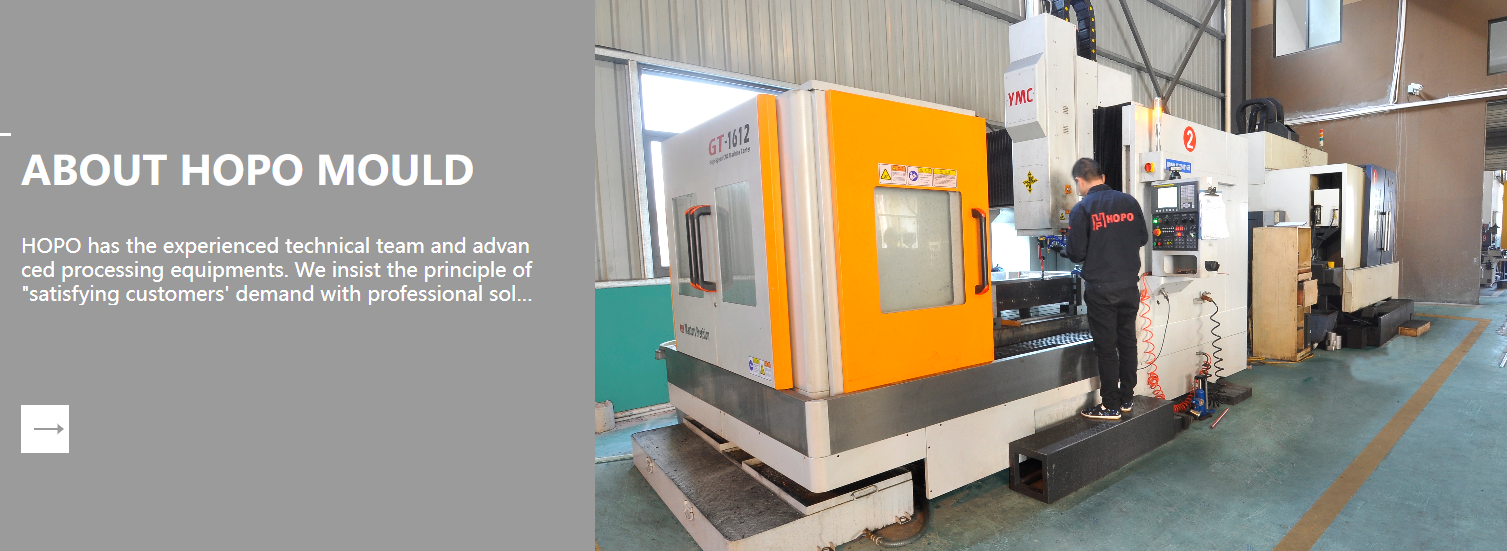
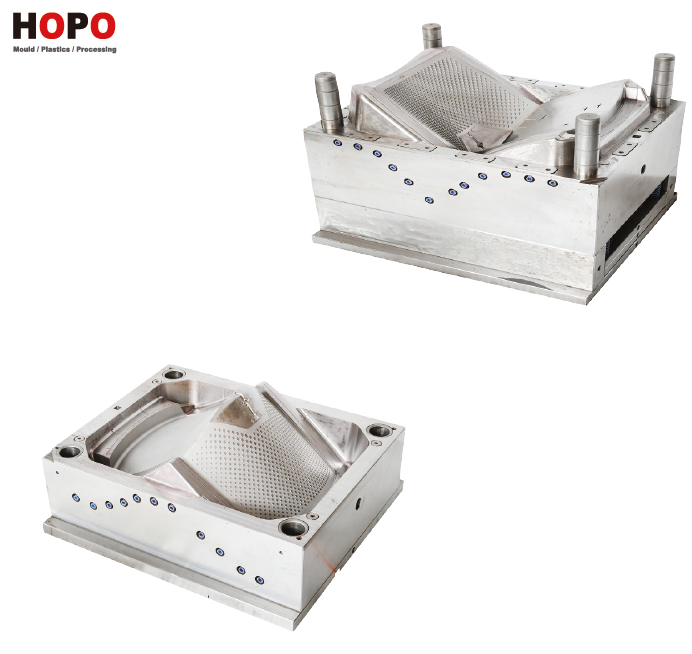
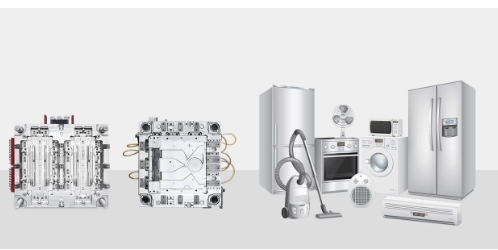
TAIZHOU HOPO MOULD & PLASTIC TECHNOLOGY CO., LTD is a professional plastic injection mould maker and relevant plastic products manufacturer established in 2012. Our Factory is in Zhejiang, China. We enjoy convenient land, water and air transportation, so we could provide short delivery time once the production finished. HOPO offer many kinds of high quality moulds, including daily use commodity moulds, home appliance moulds, automotive moulds, pipe fitting moulds and industrial products moulds, also could directy offer you those relevant plastic parts prodcution.
Related Articles
 The Top Injection Molding Industry Leader 2026-02-24 0
 2026 Injection Molding Industry Leader 2026-02-24 0
 USA Top Custom Moulding Experts 2026-02-11 0
 2026 Architectural and Decorative Moulding Leaders in USA 2026-02-11 0
 2026 Top Industrial Plastic Injection Moulding Titans 2026-02-02 0
- 2026 Top Moulding Company 2026-02-02 0
- What Is an Aluminum Injection Mold and Why Is It Used 2026-01-19 0
 How Does Aluminum Material Grade Impact Mold Cost 2026-01-19 0
 The Cost of an Aluminum Injection Mold 2026-01-19 0
 What Affects the Cost of an Aluminum Injection Mold 2026-01-19 0
 What Is the Strength of the 7 Most Common Injection Molding Plastics 2026-01-12 0
 How Thick Can You Injection Mold Plastic 2026-01-12 0
 What Are the 7 Steps of PLC 2025-12-16 0
 What Is PLC in Injection Molding 2025-12-16 0
- What Is the Minimum Wall Thickness of the 7 Main Types of Plastic 2025-12-11 0
 Industry Standards or Guidelines for Wall Thickness by Application 2025-12-11 0
 Why Does Plastic Shrink More in Thick Sections in Injection Molding 2025-12-02 0
 The Strongest Plastic for Injection Molding 2025-12-02 0
- Why is Machine Assistance Essential in High-Demand Mould Shops 2025-11-20 0
 Common Defects and Limitations Must Mold Finishers Anticipate with CP 2025-11-20 0
