
What Is Home Appliances Mould?
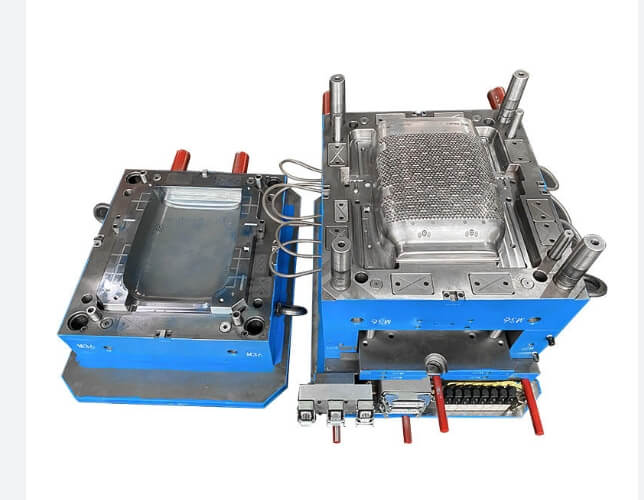
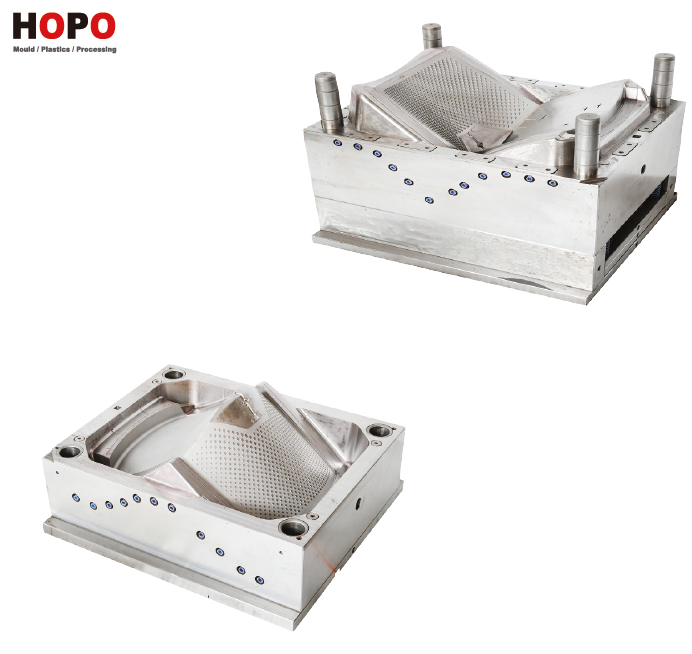
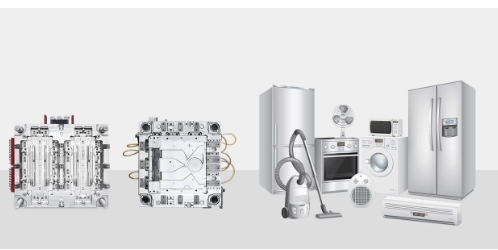
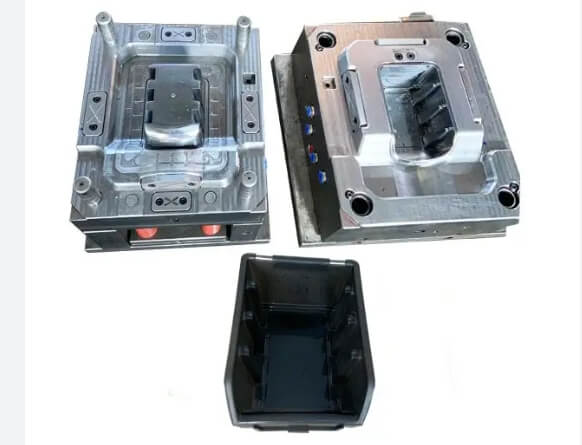
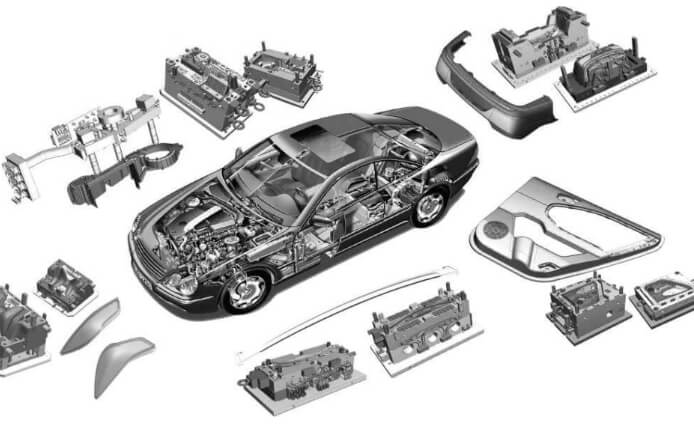
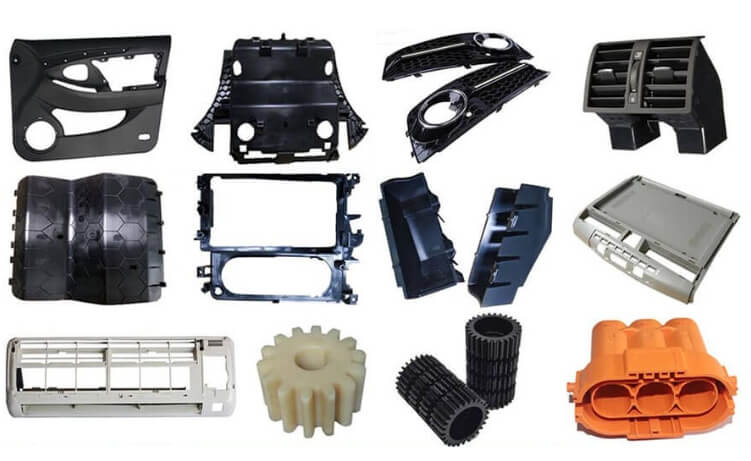
Home appliance mould also referred to as "electrical appliance mould," pertains to the production of plastic components for household electric appliances. These moulds encompass both the interior plastic parts and the external housing or casing.
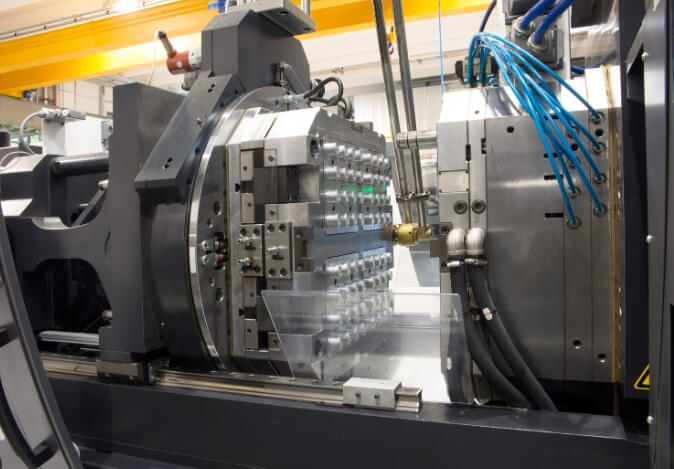
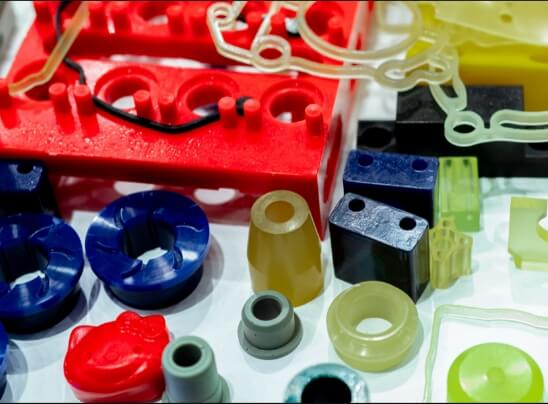
In the precision injection molding manufacturing of major appliances, a high-precision home appliance plastic injection mould is indispensable. The home appliance industry necessitates tailor-made plastic injection moulds suitable for insert molding, overmolding, or thin-wall molded products. Achieving a tolerance of 0.0005 inch is imperative, demanding a very high product quality. Given the versatility of plastic as a material, an array of home appliance moulds is available for diverse products, commonly starting with a plastic prototype. Custom molding offers numerous advantages.
In the case of interior parts, dimensional accuracy takes precedence, with minimal emphasis on appearance as long as it doesn't impede product assembly. On the other hand, for the external plastic housing or cases, both appearance and size are crucial. Exceptions exist for components undergoing secondary processing, such as painting or plating. Consequently, injection-moulded exterior housings typically do not require a high polish, except in specific areas that impact subsequent processes.
Design points of home appliances mould:
- Wall Thickness Design
The wall thickness of a plastic part is primarily influenced by its external dimensions and materials. However, in the design of plastic products, maintaining a uniform wall thickness is a fundamental principle. Deviations in wall thickness can lead to defects in the appearance of plastic parts, including shrinkage, depressions, deformations, and internal stress, ultimately resulting in cracks.
If the wall thickness is too thin, it can increase the resistance to the flow of molten plastic, impede material flow in the cavity, making it challenging to fill the material. This results in unfilled areas and compromised strength in the plastic parts.
Conversely, excessively thick wall thickness is not advantageous. It can lead to issues such as bubbles, shrinkage, depressions, and deformations in the product's appearance. Moreover, thicker products are heavier, increasing the overall cost. Additionally, thicker wall thickness prolongs molding time due to extended pressure holding and cooling times, resulting in lower production efficiency. However, when strength requires local thickness, a gradual transition between thick and thin is necessary to prevent abrupt changes.
- Design of Fillet and Draft Angle
The stress concentration at sharp corners in injection-molded cases can result in brittle failures. Eliminating sharp corners reduces stress concentration, reinforcing rib strength, and enhances the product's ability to withstand external impact. In the design of home appliances, outer arc corners should be maximized, avoiding excessive rounding transitions, typically maintaining an arc size range between 0.3mm and 0.8mm.
Drafting is crucial for smooth demolding during mold production. The draft angle depends on factors such as part size, wall thickness, shrinkage, and mold cavity surface roughness. Controlling the demoulding angle between 20' and 1°30' prevents difficulties in removing plastic parts due to shrinkage during continuous cavity shrinkage.
- Reinforcing Rib Design
Reinforcing ribs enhance the structural strength of plastic parts, reducing the likelihood of warping, plastic consumption, product weight, and production costs without increasing wall thickness. In rib design, strict control of rib position, height, and even distribution helps avoid cold shrinkage at the rib bottom. Maintaining consistency between rib distribution and melt filling direction aids in the injection mold's opening and closing. Adopting an arc transition for reinforcing ribs and rounding corners at the bottom of ribs improves melt fluidity and reduces stress concentration. Typically, reinforcing ribs are around 50% to 70% of the wall thickness, with the R angle at the bottom being approximately 1/8 of the wall thickness.
About HOPO:
When crafting a plastic injection electrical appliance mould, we carefully select mold steel based on the part's total life cycles and the characteristics of the plastic resin. For crucial dimensions, special structural areas, and delicate ribs, we advocate the use of inserts. This facilitates easy replacement and convenient maintenance during extended production periods. Opting for machining by grinder is preferred for its advantages in precision.
Understanding the distinct advantages of various machines is vital for toolmakers. They should harness these advantages effectively to ensure the creation of high-quality molds. Additionally, maintaining appropriate clearance for the mold steel is crucial to achieving accurate dimensional parts.
Achieving top-notch mold quality involves more considerations than outlined here. We encourage you to reach out and share your requirements with us. We eagerly anticipate the opportunity to provide professional support for your project.
Related Articles
 The Top Injection Molding Industry Leader 2026-02-24 0
 2026 Injection Molding Industry Leader 2026-02-24 0
 USA Top Custom Moulding Experts 2026-02-11 0
 2026 Architectural and Decorative Moulding Leaders in USA 2026-02-11 0
 2026 Top Industrial Plastic Injection Moulding Titans 2026-02-02 0
- 2026 Top Moulding Company 2026-02-02 0
- What Is an Aluminum Injection Mold and Why Is It Used 2026-01-19 0
 How Does Aluminum Material Grade Impact Mold Cost 2026-01-19 0
 The Cost of an Aluminum Injection Mold 2026-01-19 0
 What Affects the Cost of an Aluminum Injection Mold 2026-01-19 0
 What Is the Strength of the 7 Most Common Injection Molding Plastics 2026-01-12 0
 How Thick Can You Injection Mold Plastic 2026-01-12 0
 What Are the 7 Steps of PLC 2025-12-16 0
 What Is PLC in Injection Molding 2025-12-16 0
- What Is the Minimum Wall Thickness of the 7 Main Types of Plastic 2025-12-11 0
 Industry Standards or Guidelines for Wall Thickness by Application 2025-12-11 0
 Why Does Plastic Shrink More in Thick Sections in Injection Molding 2025-12-02 0
 The Strongest Plastic for Injection Molding 2025-12-02 0
- Why is Machine Assistance Essential in High-Demand Mould Shops 2025-11-20 0
 Common Defects and Limitations Must Mold Finishers Anticipate with CP 2025-11-20 0
