
Why Are Injection Molds Expensive?
Injection molds play a crucial role in the production of plastic components across various industries. However, many businesses are often surprised by the high costs associated with mold manufacturing. At HOPO MOULD , we understand the intricacies involved in injection mold making and the factors that contribute to their overall expense. Next we will explore the reasons behind the high cost of injection molds, breaking down the key components and design considerations that influence pricing.
What Is Injection Mold Making?
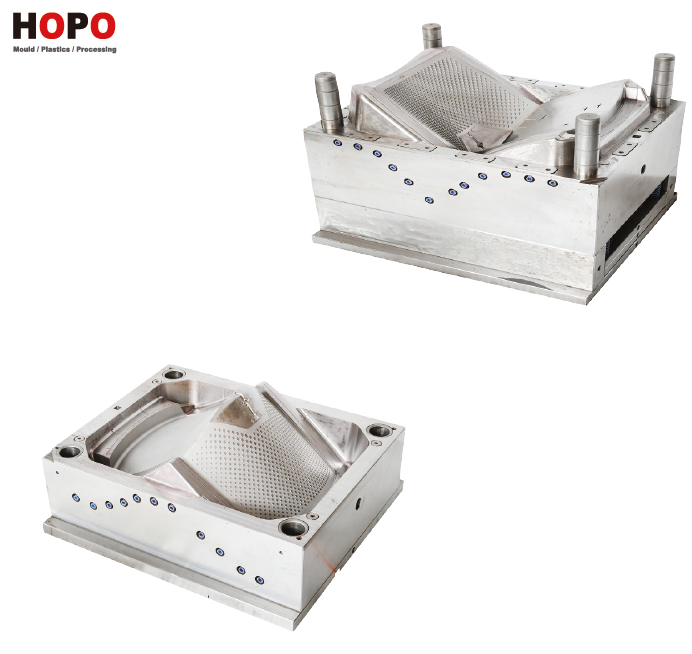
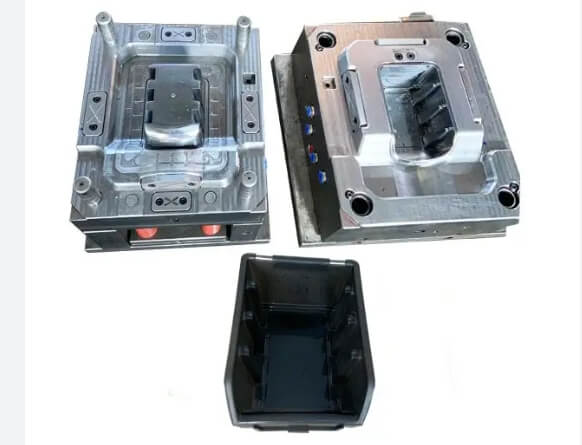
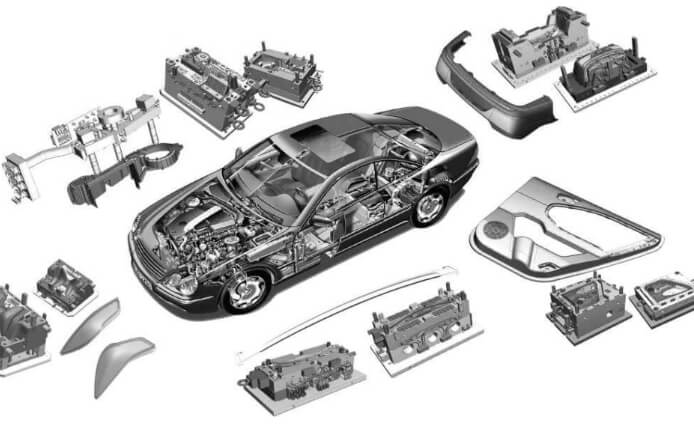
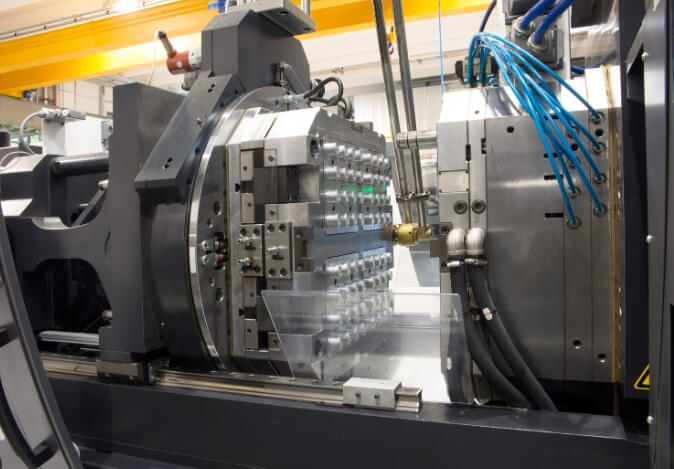
Injection molds are specialized tools used to mass-produce plastic parts through a process known as injection molding. This method involves melting thermoplastic or thermoset materials and injecting them into a mold cavity under high pressure. Once cooled, the material solidifies into the desired shape. The quality and consistency of the final product depend heavily on the precision and durability of the mold itself.
At HOPO MOULD , we use advanced CAD (Computer-Aided Design) and CAM (Computer-Aided Manufacturing) systems to ensure our molds meet exact specifications. From initial concept to final testing, our team of experts follows a meticulous process to create high-quality, long-lasting molds tailored to your production needs.

Why Are Injection Molds Expensive?
There are several interrelated factors that make injection molds costly. Let’s take a closer look at each:
1. High Material and Technology Costs
Quality comes at a price. Injection molds are typically made from durable materials like steel, aluminum alloys, and hardened tool steels. These materials must withstand repeated cycles of high pressure and temperature without deforming or wearing out quickly.
The production process also involves multiple steps—designing, machining, EDM (Electrical Discharge Machining), polishing, and assembly—each requiring specialized equipment and skilled labor. As a result, even a basic mold can cost anywhere from $2,000 to $50,000 or more , depending on complexity and size.
2. Complexity of the Mold Design
The more intricate the part, the more complex the mold becomes. Features such as undercuts, internal threads, side actions, hollow sections, and multi-cavity designs significantly increase both time and cost. Complex geometries require additional engineering, advanced machining techniques, and sometimes multiple mold sets to produce a single component.
At HOPO MOULD , we specialize in designing and manufacturing molds for complex injection molded parts, ensuring every detail is accounted for during the planning phase to avoid costly modifications later.
3. Mold Lifespan and Production Volume
Mold lifespan directly impacts cost. Molds intended for low-volume production (e.g., prototypes or short runs) may be built using less expensive materials and simpler designs. However, molds designed for large-scale production need to endure hundreds of thousands—or even millions—of cycles. These high-end molds are built with wear-resistant materials and precision engineering to ensure longevity.
We work closely with clients to determine the expected production volume so we can recommend the most cost-effective mold solution based on durability requirements.
4. Time Investment
Designing and building an injection mold is not a quick process. It requires extensive planning, prototyping, and testing to ensure the mold performs as expected. Delays due to design errors or unforeseen issues can further extend timelines and increase costs.
Our team at HOPO MOULD ensures transparency throughout the entire mold-making process, keeping you informed and involved to minimize revisions and streamline production.
5. Multiple Processes Involved
From mold flow analysis and cavity design to CNC machining and surface finishing, the injection mold manufacturing process involves numerous stages. Each step must be executed with precision to avoid defects and ensure repeatability.
Moreover, if a mold fails during trial runs, modifying it can be difficult and costly. In some cases, starting over with a new mold is the only viable option.
6. Quantity of Molds Required
Depending on the complexity of the part, multiple molds may be required to complete all features. Even seemingly simple parts might need two or three separate molds to achieve the final design. This increases both upfront costs and lead times.

Components of Injection Mold Costs
Understanding how injection mold costs are broken down helps businesses make better-informed decisions. Here's a breakdown of the major cost categories:
1. Raw Material Costs
Materials like tool steel, aluminum, electrodes, and consumables used during machining and heat treatment contribute significantly to the total cost. High-performance materials, while more expensive, offer longer life and better resistance to wear and corrosion.
2. Design and Manufacturing Costs
This includes engineering hours, CAD modeling, CNC programming, EDM, and manual polishing. More complex molds naturally require more labor and technical expertise.
3. Overhead Costs
Overhead includes labor wages, energy consumption, facility maintenance, and administrative expenses. Efficient operations help reduce overhead per unit, especially when producing multiple molds simultaneously.
4. Maintenance and Repair Costs
Even the best molds eventually wear out. Regular maintenance and occasional repairs are necessary to keep production running smoothly. Investing in high-quality molds initially reduces these recurring costs.
5. Lifespan and Durability
As mentioned earlier, the expected lifespan of a mold affects its price. Durable molds built for high-volume production command higher prices but offer better value over time.
6. Size and Complexity
Larger molds require more raw materials and heavier machinery, which translates to increased costs. Similarly, intricate mold designs demand more time and resources.
7. Batch Size and Quantity
For small production batches, mold costs per unit are relatively high because fixed costs are spread over fewer parts. In contrast, larger production runs benefit from economies of scale, lowering the per-unit cost.
Key Factors Influencing Injection Mold Design
Several critical factors influence the design of injection molds:
1. Type of Plastic Material
Different plastics have varying shrinkage rates, flow characteristics, and processing temperatures. These properties must be carefully considered during mold design to ensure dimensional accuracy and part integrity.
2. Part Geometry and Complexity
Parts with thin walls, sharp corners, or deep ribs require specialized mold features such as cooling channels, ejector pins, and venting systems. These add complexity and cost to the mold.
3. Product Size and Precision Requirements
Smaller, high-precision parts demand tighter tolerances and more accurate machining, increasing mold complexity and cost. Conversely, larger parts may require bigger machines and more robust mold structures.
Injection Mold Manufacturing Process at HOPO MOULD
Our mold-making process is highly structured and follows industry best practices to ensure optimal results:
1. Technical Preparation
We begin with detailed mold pattern design, process documentation, and cost estimation. This stage lays the foundation for efficient and error-free production.
2. Material Selection and Procurement
Choosing the right materials for each component ensures performance and longevity. We source high-grade materials that meet international standards.
3. Machining and Component Fabrication
Using state-of-the-art CNC machines, EDM units, and polishing equipment, we fabricate mold cavities, cores, support plates, and ejection systems with extreme precision.
4. Assembly and Testing
Once all parts are machined, our skilled technicians assemble and debug the mold. This step ensures smooth operation before full-scale production begins.
5. Trial Runs and Appraisal
Before delivering the mold, we conduct trial runs to evaluate performance, identify any flaws, and make necessary adjustments.
How Can You Reduce Injection Mold Production Costs?
While injection molds are inherently expensive, there are several strategies you can adopt to lower costs:
1. Choose the Right Mold Materials
Selecting appropriate materials based on production volume and part requirements can significantly affect cost. For example, aluminum molds may be suitable for low-volume runs, while hardened steel is ideal for high-volume production.
2. Optimize Mold Design
Simplifying part geometry, minimizing undercuts, and reducing the number of mold components can streamline production and cut costs.
3. Improve Manufacturing Precision
Investing in high-precision machining and strict quality control reduces rework and lowers defect rates.
4. Enhance Mold Reliability
Durable molds with proper maintenance reduce downtime and replacement costs over time.
5. Use Advanced Technologies
Techniques like high-speed machining, multi-cavity molds, and automated systems improve efficiency and reduce labor costs.
6. Strengthen Supply Chain Management
Working with trusted suppliers and negotiating bulk discounts can help reduce material procurement costs.
7. Train Skilled Personnel
Well-trained employees can operate machinery more efficiently, reducing waste and increasing productivity.
8. Implement Quality Control Systems
Robust quality assurance protocols help detect and resolve issues early, preventing costly recalls or rework.
The Value Behind the Cost
At HOPO MOULD , we believe that understanding why injection molds are expensive empowers businesses to make smarter decisions about material selection, design optimization, and production planning. While the initial investment may seem high, the long-term benefits of a well-designed, high-quality mold far outweigh the costs.
By leveraging our expertise in mold design and manufacturing, you can reduce overall production costs, improve product quality, and enhance your competitive edge in the market.
Whether you're launching a new product or scaling up existing production, partnering with a reliable mold manufacturer like HOPO MOULD ensures you get the most value from your investment.
To learn more about our services and how we can help bring your product vision to life, visit us at https://hopomould.com/ today.
Related Articles
 The Top Injection Molding Industry Leader 2026-02-24 0
 2026 Injection Molding Industry Leader 2026-02-24 0
 USA Top Custom Moulding Experts 2026-02-11 0
 2026 Architectural and Decorative Moulding Leaders in USA 2026-02-11 0
 2026 Top Industrial Plastic Injection Moulding Titans 2026-02-02 0
- 2026 Top Moulding Company 2026-02-02 0
- What Is an Aluminum Injection Mold and Why Is It Used 2026-01-19 0
 How Does Aluminum Material Grade Impact Mold Cost 2026-01-19 0
 The Cost of an Aluminum Injection Mold 2026-01-19 0
 What Affects the Cost of an Aluminum Injection Mold 2026-01-19 0
 What Is the Strength of the 7 Most Common Injection Molding Plastics 2026-01-12 0
 How Thick Can You Injection Mold Plastic 2026-01-12 0
 What Are the 7 Steps of PLC 2025-12-16 0
 What Is PLC in Injection Molding 2025-12-16 0
- What Is the Minimum Wall Thickness of the 7 Main Types of Plastic 2025-12-11 0
 Industry Standards or Guidelines for Wall Thickness by Application 2025-12-11 0
 Why Does Plastic Shrink More in Thick Sections in Injection Molding 2025-12-02 0
 The Strongest Plastic for Injection Molding 2025-12-02 0
- Why is Machine Assistance Essential in High-Demand Mould Shops 2025-11-20 0
 Common Defects and Limitations Must Mold Finishers Anticipate with CP 2025-11-20 0
