
Custom Plastic Parts
author: HOPO MOULD
2024-11-12
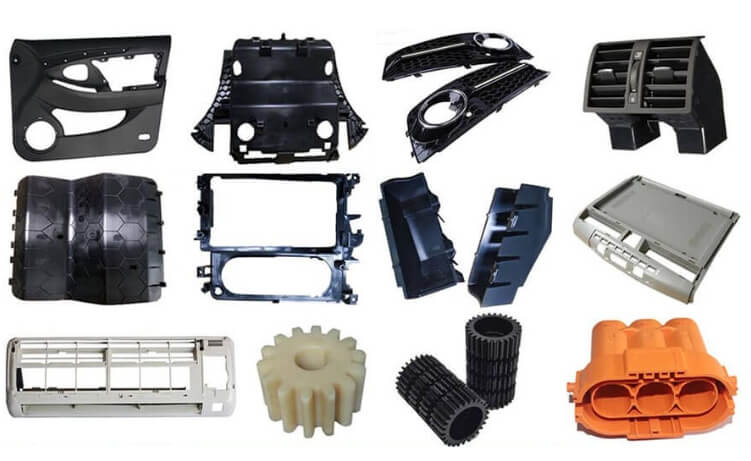
Custom plastic parts are a vital component of modern manufacturing, offering tailored solutions that meet the specific needs of a wide range of industries. From automotive and electronics to medical devices and consumer goods, custom plastic parts are used to create everything from intricate components to high-performance housings. Next Hopo Mould will share the importance of custom plastic parts, the manufacturing processes involved, material options, and key considerations to ensure successful production.
What Are Custom Plastic Parts?
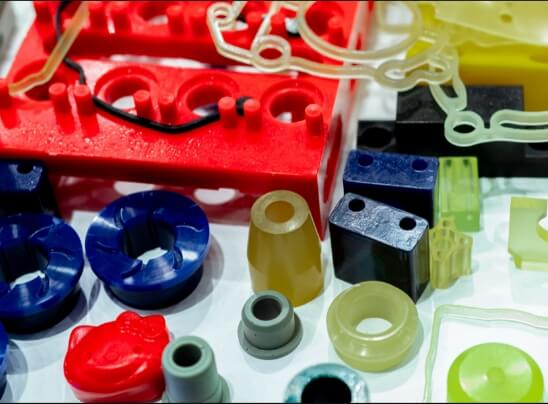
Custom plastic parts are precisely designed components made from various types of plastic, created to meet specific functional, aesthetic, or technical requirements. Unlike off-the-shelf plastic parts, which are mass-produced to general specifications, custom plastic parts are engineered to exact specifications, ensuring that they fit seamlessly within the broader product assembly or end-use application.
Custom plastic parts can be designed for any number of purposes: to improve product performance, reduce weight, enhance durability, or meet specific regulatory requirements. They are made using a range of plastic materials and can be manufactured using several different techniques, depending on the complexity and volume of production.
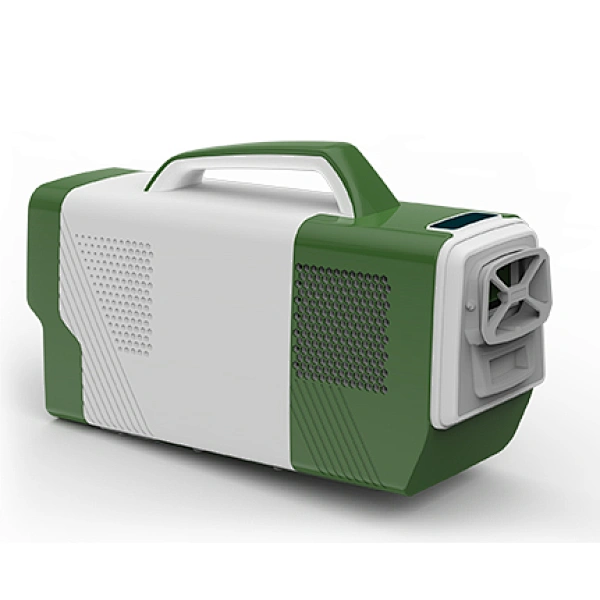
Why Choose Custom Plastic Parts?
There are several reasons why manufacturers and industries opt for custom plastic parts over standard, mass-produced options:
- Precision and Quality Control: Custom plastic parts are designed to fit precise dimensions, which is critical in industries such as medical devices and automotive manufacturing. This ensures perfect functionality and performance.
- Cost-Effectiveness: Although custom parts may have higher upfront costs due to design and tooling, they can lead to long-term savings by reducing waste, improving production efficiency, and enabling high-quality, durable parts that last longer.
- Cost-Effectiveness: Although custom parts may have higher upfront costs due to design and tooling, they can lead to long-term savings by reducing waste, improving production efficiency, and enabling high-quality, durable parts that last longer.
- Unique Designs: Custom plastic parts allow designers to create highly specialized shapes and functions that are not possible with standard parts. Whether for complex geometry or integration of multiple features, custom designs open up new possibilities.
- Material Flexibility: Manufacturers have the freedom to choose from a wide range of materials, ensuring the right balance of strength, flexibility, chemical resistance, and cost. This flexibility is particularly important for industries with highly specific material needs.
Applications of Custom Plastic Parts
Custom plastic parts are used in nearly every industry, including:
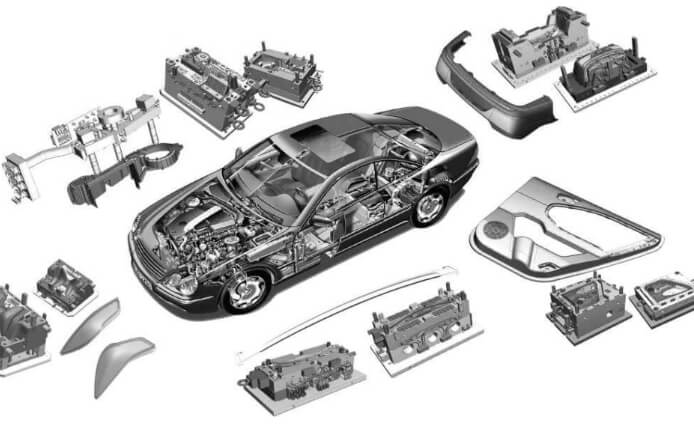
- Automotive: From interior components like dashboards and door panels to exterior parts such as bumpers and grilles, custom plastic parts are crucial in reducing vehicle weight, improving safety, and enhancing aesthetics.
- Medical: Custom plastic parts are widely used for medical devices, including housings for diagnostic equipment, surgical tools, implants, and protective casings. They often need to meet strict health regulations and performance standards.
- Consumer Electronics: In the electronics industry, custom plastic parts are used for device enclosures, connectors, switches, and housings for products like smartphones, laptops, and home appliances. These parts are designed for both functionality and aesthetics.
- Industrial and Commercial: Manufacturing machinery, valves, seals, and other functional components often require custom plastic parts. The flexibility in material choices ensures parts can withstand wear, chemicals, and environmental exposure.
- Packaging: Custom plastic parts are also critical in packaging, where specialized containers, protective cases, and closures are needed to protect products while maintaining brand identity and sustainability goals.
- Automotive: From interior components like dashboards and door panels to exterior parts such as bumpers and grilles, custom plastic parts are crucial in reducing vehicle weight, improving safety, and enhancing aesthetics.
- Medical: Custom plastic parts are widely used for medical devices, including housings for diagnostic equipment, surgical tools, implants, and protective casings. They often need to meet strict health regulations and performance standards.
- Consumer Electronics: In the electronics industry, custom plastic parts are used for device enclosures, connectors, switches, and housings for products like smartphones, laptops, and home appliances. These parts are designed for both functionality and aesthetics.
- Industrial and Commercial: Manufacturing machinery, valves, seals, and other functional components often require custom plastic parts. The flexibility in material choices ensures parts can withstand wear, chemicals, and environmental exposure.
- Packaging: Custom plastic parts are also critical in packaging, where specialized containers, protective cases, and closures are needed to protect products while maintaining brand identity and sustainability goals.
The Manufacturing Process of Custom Plastic Parts
Designing and producing custom plastic parts requires careful planning and execution. The manufacturing process generally involves the following steps:
1. Design
The process begins with the design of the part, which is typically done using CAD (Computer-Aided Design) software. Designers work closely with engineers and manufacturers to ensure that the part meets all functional and aesthetic requirements. Prototyping may also be used to test the design and verify functionality before proceeding to full-scale production.
The process begins with the design of the part, which is typically done using CAD (Computer-Aided Design) software. Designers work closely with engineers and manufacturers to ensure that the part meets all functional and aesthetic requirements. Prototyping may also be used to test the design and verify functionality before proceeding to full-scale production.
2. Molding Techniques
Several molding techniques can be used to manufacture custom plastic parts:
Several molding techniques can be used to manufacture custom plastic parts:
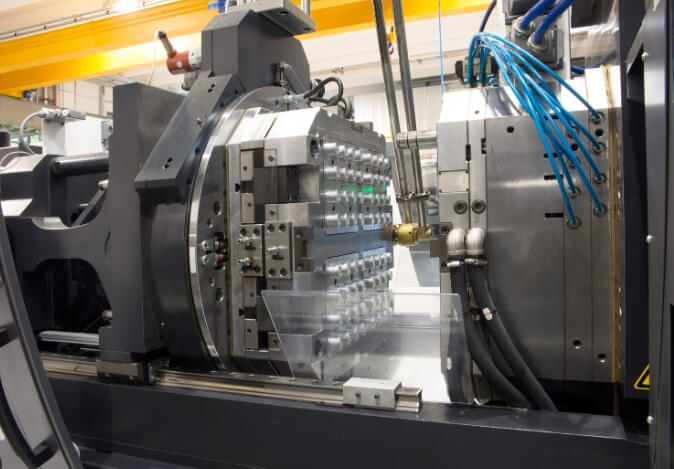
- Injection Molding: The most common method for producing plastic parts, injection molding involves injecting molten plastic into a precisely engineered mold. This method is ideal for high-volume production and complex parts.
- Blow Molding: Often used for creating hollow plastic parts, such as bottles or tanks, blow molding involves inflating a heated plastic tube inside a mold.
- Blow Molding: Often used for creating hollow plastic parts, such as bottles or tanks, blow molding involves inflating a heated plastic tube inside a mold.
- Rotational Molding: Suitable for large, hollow parts, rotational molding involves rotating a mold filled with plastic powder. As the mold turns, the plastic is melted and forms a uniform layer inside the mold.
- 3D Printing (Additive Manufacturing): This technique is becoming increasingly popular for producing low-volume or highly intricate custom plastic parts. It allows for rapid prototyping and quick iterations in design, making it ideal for testing and small production runs.
3. Tooling and Prototyping
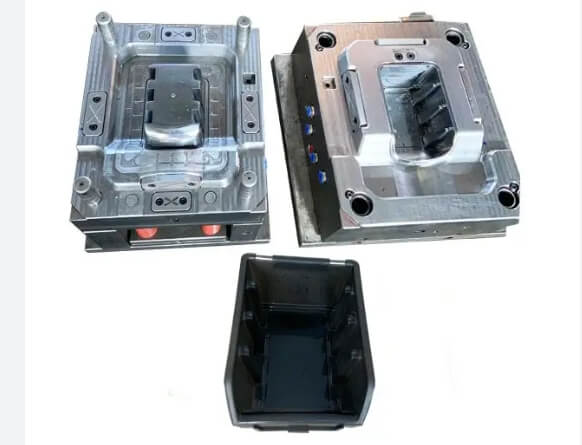
Once the design is finalized, molds or tools are created to manufacture the custom plastic parts. The tooling process involves making precise molds from metal or other durable materials. Prototyping is often used to ensure the mold’s functionality before beginning full-scale production.
Once the design is finalized, molds or tools are created to manufacture the custom plastic parts. The tooling process involves making precise molds from metal or other durable materials. Prototyping is often used to ensure the mold’s functionality before beginning full-scale production.
4. Production and Assembly
After tooling, the custom plastic parts are produced, tested, and assembled. The production process is monitored to ensure consistency and quality, and any necessary adjustments are made to improve the final product.
After tooling, the custom plastic parts are produced, tested, and assembled. The production process is monitored to ensure consistency and quality, and any necessary adjustments are made to improve the final product.

Material Options for Custom Plastic Parts
The choice of material is crucial when designing custom plastic parts, as it impacts the part's strength, flexibility, durability, and cost. Common materials include:
- Thermoplastics: These materials, including ABS, polycarbonate, polypropylene, and PVC, are the most widely used in injection molding. Thermoplastics can be re-melted and reformed, making them versatile and cost-effective.
- Thermosets: Materials like epoxy, phenolic, and bakelite harden when heated and cannot be re-melted. Thermosets offer superior strength and resistance to high temperatures.
- Engineering Plastics: For more demanding applications, materials such as nylon, PEEK, and polyimide offer excellent mechanical properties, high resistance to wear, and durability at high temperatures.
- Specialty Polymers: Used for specific applications such as medical devices, aerospace, or automotive, these materials meet stringent regulatory standards and are designed for enhanced performance in critical environments.
- Thermoplastics: These materials, including ABS, polycarbonate, polypropylene, and PVC, are the most widely used in injection molding. Thermoplastics can be re-melted and reformed, making them versatile and cost-effective.
- Thermosets: Materials like epoxy, phenolic, and bakelite harden when heated and cannot be re-melted. Thermosets offer superior strength and resistance to high temperatures.
- Engineering Plastics: For more demanding applications, materials such as nylon, PEEK, and polyimide offer excellent mechanical properties, high resistance to wear, and durability at high temperatures.
- Specialty Polymers: Used for specific applications such as medical devices, aerospace, or automotive, these materials meet stringent regulatory standards and are designed for enhanced performance in critical environments.
Quality Control and Testing
Quality assurance is critical when producing custom plastic parts. Quality control processes include:
- Dimensional and Visual Inspections: Parts are checked for dimensional accuracy and surface defects.
- Mechanical Testing: Parts undergo various mechanical tests to ensure they can withstand the stresses and conditions they will encounter in use.
- Mechanical Testing: Parts undergo various mechanical tests to ensure they can withstand the stresses and conditions they will encounter in use.
- Environmental Testing: Parts may be exposed to extreme conditions (heat, humidity, UV radiation, etc.) to ensure long-term durability.
- Certifications: Parts that need to meet specific industry standards (such as FDA regulations for medical devices or UL standards for electrical components) must undergo rigorous testing and certification.
Related Articles
 The Top Injection Molding Industry Leader 2026-02-24 0
 2026 Injection Molding Industry Leader 2026-02-24 0
 USA Top Custom Moulding Experts 2026-02-11 0
 2026 Architectural and Decorative Moulding Leaders in USA 2026-02-11 0
 2026 Top Industrial Plastic Injection Moulding Titans 2026-02-02 0
- 2026 Top Moulding Company 2026-02-02 0
- What Is an Aluminum Injection Mold and Why Is It Used 2026-01-19 0
 How Does Aluminum Material Grade Impact Mold Cost 2026-01-19 0
 The Cost of an Aluminum Injection Mold 2026-01-19 0
 What Affects the Cost of an Aluminum Injection Mold 2026-01-19 0
 What Is the Strength of the 7 Most Common Injection Molding Plastics 2026-01-12 0
 How Thick Can You Injection Mold Plastic 2026-01-12 0
 What Are the 7 Steps of PLC 2025-12-16 0
 What Is PLC in Injection Molding 2025-12-16 0
- What Is the Minimum Wall Thickness of the 7 Main Types of Plastic 2025-12-11 0
 Industry Standards or Guidelines for Wall Thickness by Application 2025-12-11 0
 Why Does Plastic Shrink More in Thick Sections in Injection Molding 2025-12-02 0
 The Strongest Plastic for Injection Molding 2025-12-02 0
- Why is Machine Assistance Essential in High-Demand Mould Shops 2025-11-20 0
 Common Defects and Limitations Must Mold Finishers Anticipate with CP 2025-11-20 0
