
Innovative Technologies of Automotive Injection Mould
Have you ever wondered how auto industries manage to produce high-quality auto parts with precision and speed? The answer lies in the revolutionary technology of automotive injection mould. These innovative technologies have completely offered a range of benefits that were previously unimaginable.
What Makes Plastic Injection Molding Popular in the Automotive Industry?
- Efficient Production and Mass Production Capability: Injection molding is an efficient, fast method for mass production. Automotive manufacturing often requires a large number of parts, and injection molding can produce a large number of the same or similar parts in a relatively short period of time, increasing overall productivity.
- Design Flexibility: Injection molding can accommodate design requirements for a wide range of shapes and sizes, from small parts to large body components, by adjusting the mold. This design flexibility makes it easier for automakers to meet the needs of different models and vehicle types.
- Lightweighting Trends: Injection molding allows for the production of lightweight parts, which is very important in the current trends in the automotive industry. Lightweighting helps to improve fuel efficiency, reduce emissions, and enhance vehicle performance and safety.
- Cost Control: Injection molding is generally less expensive than other molding methods. This is due to the ability to automate production, reduce labor costs, and better spread the cost of equipment and mold making in mass production.
- High Accuracy and Consistency: Injection molding can produce highly accurate and consistent automotive parts, which can help improve the overall quality of automotive assemblies and reduce defective parts.
- Material Versatility: Injection molding can use many types of plastic materials, which allows automakers to select materials as needed to meet the performance, durability and cost requirements of different parts.
- Realization of Complex Structures: Injection molding technology is capable of realizing complex part structures, including tiny grooves, threads and other complex geometries. This provides designers with more room for creativity, enabling them to realize more innovative automotive part designs.
What are the Injection Molding Plastics Used to Prepare Modern Components for the Automotive Industry?
Injection molded plastics which are used to prepare modern components for the automotive industry are thermoplastic materials.
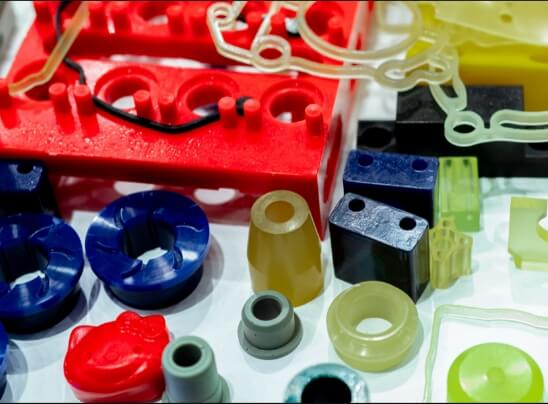
Due to this property, it is possible to melt them and inject them into suitable molds. One of the materials used in this technology is liquid silicone rubber, which is characterized by high moldability. In the automotive sector, foamed polypropylene (EPP) and polystyrene (EPS) are widely used – their advantages include a high degree of flexibility and durability combined with low weight.

What are Innovative Technologies of Automotive Injection Mould?
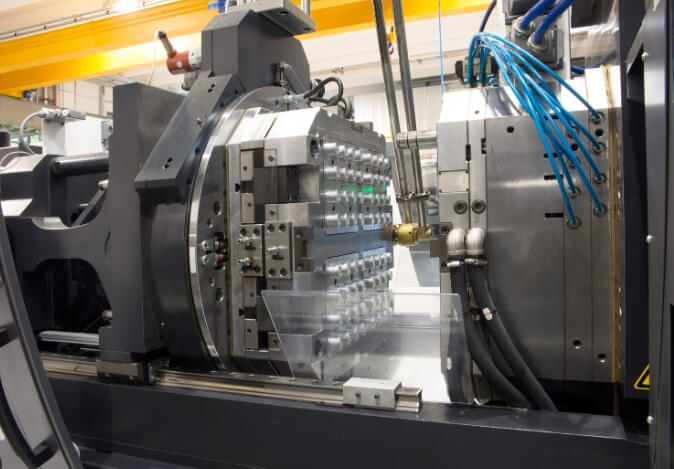
The field of plastic injection molding is continuously advancing, especially in the context of automotive injection molds. These cutting-edge technologies shape the landscape of plastic injection molding, offering businesses and manufacturers novel approaches to mass-produce plastic components.
Micro Injection Molding
In response to technological advancements demanding smaller devices, micro injection molding has emerged as a crucial innovation. This technique, ideal for creating intricate and compact plastic components, finds significant applications in the automotive sector. For instance, it caters to the demand for smaller molds in the production of components for modern vehicles, ensuring efficient handling and storage.
Gas-Assisted Injection Molding
To address the challenges posed by intricate designs and small mold spaces, gas-assisted injection molding is a groundbreaking solution. Particularly relevant to automotive molds, this method facilitates the effective filling of small spaces by injecting pressurized gas into the molten resin during the cooling phase. The resulting plastic surface is not only intricately detailed but also strengthened due to controlled expansion from the introduced gas.
Overmolding
Overmolding stands out as an innovative process, especially when applied to automotive injection molds. This technique involves molding resin over an existing injected plastic component, providing an additional layer of materials for enhanced durability. Automotive parts subject to wear and tear, such as handles and switches, benefit significantly from overmolding, as it ensures prolonged life and resistance to corrosion.
Automation Implementation
Automation has become integral to enhancing efficiency in automotive parts molding. Automated systems, equipped with advanced machinery and computer control, significantly contribute to improving the speed and precision of manufacturing processes. This trend is transforming the landscape of plastic part production in the automotive industry, offering new opportunities for increased productivity.
Software Development
The advent of automated devices in plastic injection molding necessitates sophisticated software for control and programming. Recent developments in software have enabled precise control over automated injection molding machines. These software solutions offer diverse controls, enhancing user capability to perform various tasks efficiently. Accessibility controls further allow users to manage tasks remotely, contributing to flexibility in manufacturing operations.
Remote Access
Smart technology integration has given rise to remote control capabilities for injection molding machines, a significant advancement in the automotive mold sector. Remote access empowers individuals from different locations to initiate production processes without being physically present. This technology proves especially valuable for employees who need to operate machinery remotely, ensuring uninterrupted production. Remote monitoring features also contribute to maintaining smooth operations and keeping all stakeholders informed.
Simulation Software
Simulation software plays a crucial role in planning and predicting outcomes in the production of plastic parts. Tailored for automotive molds, this software runs simulations of production lines, estimating time and resource requirements. By simulating mold flow, it aids in predicting product behavior during injection and cooling processes, offering valuable insights for optimizing manufacturing processes.
Structural Foam Molding
Structural foam molding represents a notable innovation in plastic injection molding, particularly beneficial for automotive molds. This method combines injection molding with gas-assisted injection molding, creating a foam consisting of plastic resin and nitrogen gas. The resulting product features a foam interior and a robust plastic shell, facilitating the production of intricate shapes and ensuring sturdier plastic components.
HOPO’s Auto Injection Molding Services
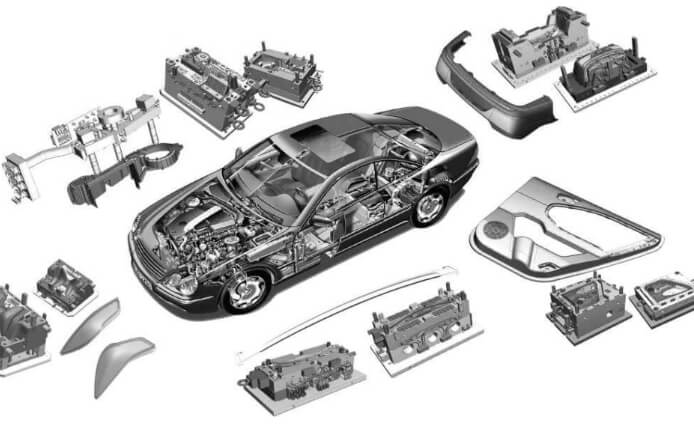
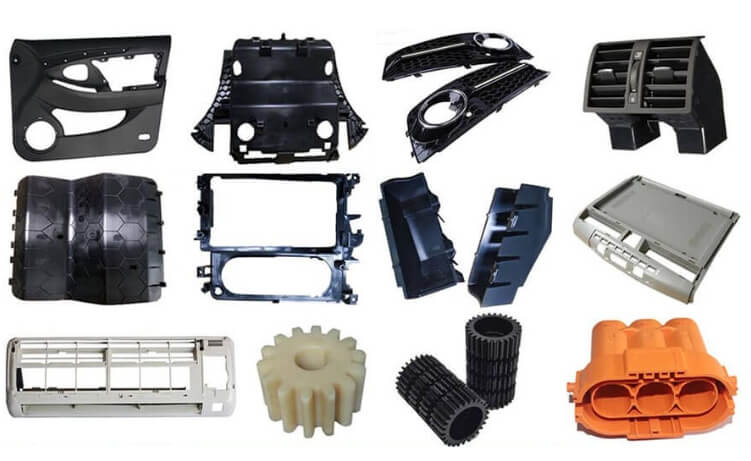
HOPO provides numerous components for the automotive industry using thermoplastic injection molding. HOPO's experts have extensive knowledge of this process, strengthened also through their work in other industries. This translates into creating high-quality solutions for the automotive sector as well. Knauf Industries offers a full range of services related to the process of plastic injection molding.Our Auto Injection Mold can be used to manufacture automotive injection molded parts for you, including plastic bumpers, dashboard parts, fenders, etc.

Related Articles
 The Top Injection Molding Industry Leader 2026-02-24 0
 2026 Injection Molding Industry Leader 2026-02-24 0
 USA Top Custom Moulding Experts 2026-02-11 0
 2026 Architectural and Decorative Moulding Leaders in USA 2026-02-11 0
 2026 Top Industrial Plastic Injection Moulding Titans 2026-02-02 0
- 2026 Top Moulding Company 2026-02-02 0
- What Is an Aluminum Injection Mold and Why Is It Used 2026-01-19 0
 How Does Aluminum Material Grade Impact Mold Cost 2026-01-19 0
 The Cost of an Aluminum Injection Mold 2026-01-19 0
 What Affects the Cost of an Aluminum Injection Mold 2026-01-19 0
 What Is the Strength of the 7 Most Common Injection Molding Plastics 2026-01-12 0
 How Thick Can You Injection Mold Plastic 2026-01-12 0
 What Are the 7 Steps of PLC 2025-12-16 0
 What Is PLC in Injection Molding 2025-12-16 0
- What Is the Minimum Wall Thickness of the 7 Main Types of Plastic 2025-12-11 0
 Industry Standards or Guidelines for Wall Thickness by Application 2025-12-11 0
 Why Does Plastic Shrink More in Thick Sections in Injection Molding 2025-12-02 0
 The Strongest Plastic for Injection Molding 2025-12-02 0
- Why is Machine Assistance Essential in High-Demand Mould Shops 2025-11-20 0
 Common Defects and Limitations Must Mold Finishers Anticipate with CP 2025-11-20 0
