
What is the Process of Plastic Housing Mould?
As a key manufacturing process, plastic housing mould plays an indispensable role in contemporary industry. Not only does it provide a strong and sophisticated shell for a wide range of products, it is one of the cornerstones of modern industrial design and production. We'll take a closer look at the basic components, processes, key technologies and challenges of plastic housing mould, as well as their application areas in a variety of industries.
-
Basic Components of Plastic Housing Mould
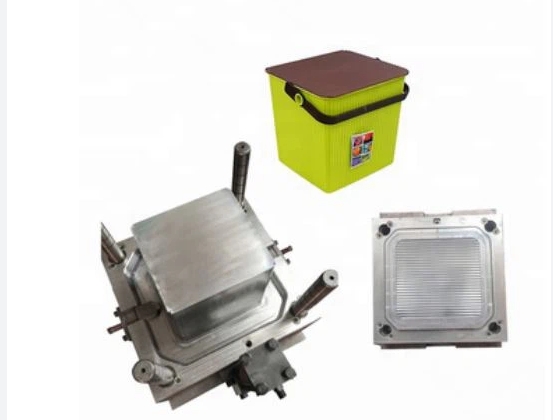
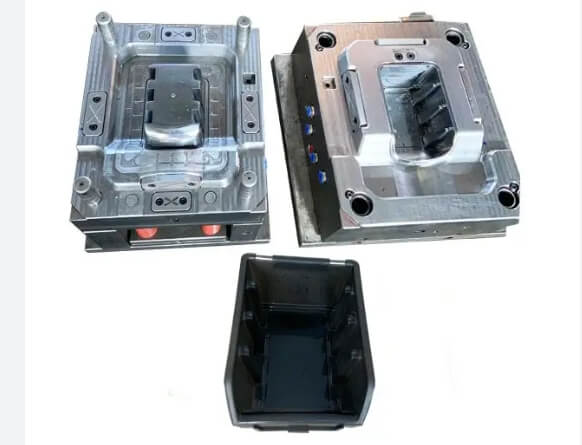
The mold core and mold cavity are the core parts of the plastic enclosure molds. The mold core is the part used to form the internal contour of the product, while the mold cavity is the part used to form the external shape of the product. They need to be designed to precisely match the size and shape requirements of the final product. This requires engineers to fully understand the structural characteristics of the product being produced during the design phase to ensure the fit and accuracy of the mold core and mold cavity.
The cooling system is a crucial component of the mold. During the injection molding process, the plastic material needs to be cooled and cured quickly after filling in the mold cavity to ensure product quality. The cooling system controls the temperature distribution by arranging cooling channels in the mold to achieve uniform cooling.
In addition to the above core components, the plastic housing mould also includes a series of auxiliary parts, such as locating pins, guide pillars, ejector pins, and so on. These components play a key role in the assembly and operation of the mold to ensure the stability and precision of the mold.
In the design process of the plastic shell mold, engineers need to consider the material selection, surface treatment, as well as the disassembly and maintenance performance of the mold. The selection of different materials is directly related to the wear resistance and service life of the mold, while the surface treatment affects the surface finish and appearance of the product. At the same time, a reasonable design of disassembly and assembly structure can facilitate the maintenance of the mold and replacement of damaged parts, thus extending the service life of the mold. All parts of the plastic housing mould cooperate with each other to ensure that the final product can maintain precision and high quality in the production process.
-
The Process of Plastic Housing Mould
1. Mold design: The starting point of the process is the mold design. Engineers need to carefully analyze the structural characteristics and dimensional requirements of the plastic enclosure to be produced. Through the use of computer-aided design (CAD) software, they are able to accurately draw the core cavity structure, cooling channels and other key components of the mold. The quality of the mold design directly determines the quality and productivity of the final product.
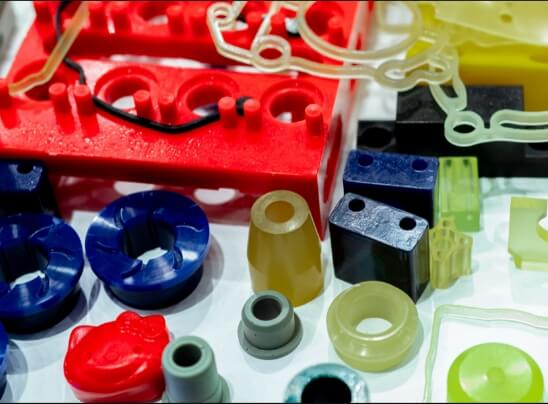
2. Material Selection and Preparation: After the mold design is completed, the next step is to select the appropriate plastic material. Different application scenarios may require different types of plastics, such as high temperature resistance, impact resistance and other characteristics. The choice of material should take into account the functional needs of the product, the appearance requirements and cost factors. Once the material has been determined, it needs to be prepared to ensure that the desired flow and performance can be obtained during the injection molding process.
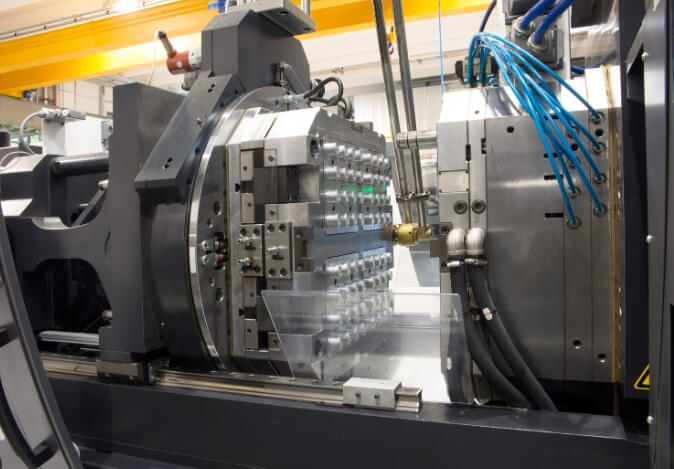
3. Injection Molding Process: Injection molding is the core of the entire process. In this stage, the pre-prepared plastic pellets are heated and melted, and then injected into the mold cavity by high pressure. The core and cavity of the mold are quickly closed, allowing the plastic to fully fill the mold cavity and form the shape of the final product. The key lies in controlling the temperature, pressure and injection speed to ensure uniform plastic filling and avoid product defects.
4. Cooling and curing: After the molding is completed, the cooling system in the mold starts to work. By regulating the temperature of the cooling channels, the plastic cools and cures rapidly, ensuring that the product maintains the desired shape and size. The control of the cooling time is directly related to the production efficiency. Too short a time may lead to deformation of the product, while too long a time will affect the production cycle.
5. Mold opening and part demolding: After cooling and curing is complete, the mold is separated to form the final product. This step requires a well-designed mold opening system to ensure that the product will not be damaged during demolding. Some complex products may require special mold release mechanisms to ensure the integrity and appearance of the product.
-
Key Technologies and Challenges in the Plastic Molding Process
1. Precision injection molding technology: This involves controlling the temperature, pressure and flow rate of the plastic material to ensure that the plastic adequately fills the mold cavity while avoiding defects such as air bubbles and short injections. By optimizing injection parameters, engineers are able to achieve more precise plastic molding and improve the dimensional accuracy and surface quality of products.
2. Temperature and Pressure Control: Precise control of the plastic housing mold temperature affects the flow and cooling rate of the plastic material, which in turn affects the shrinkage and appearance of the product. At the same time, proper injection pressure ensures that the plastic fully fills the mold cavity and prevents product defects. Engineers need to precisely regulate these parameters through advanced temperature and pressure control systems.
3. Mold life management: As the mold core and cavity are constantly subjected to high temperature and pressure during the injection process, they are prone to wear and fatigue. Therefore, engineers need to adopt effective mold life management strategies, such as regular maintenance, surface coating protection, etc., in order to extend the service life of the plastic housing mold and improve production efficiency.
4. Inspection and quality control: Adopting advanced inspection equipments and technologies, such as CMM, X-ray inspection, etc., can comprehensively inspect the dimension, appearance and material quality of products. Through the establishment of a strict quality control system to ensure that each production process can meet the predetermined standards and improve the product qualification rate.
5. Material innovation and environmental protection: Engineers need to constantly seek more environmentally friendly plastic materials to reduce the carbon footprint of the production process. At the same time, material innovation is also related to the performance and cost of the product, and need to ensure that the product still has sufficient strength, wear resistance and other characteristics under the premise of environmental protection.
Engineers need to make comprehensive use of the knowledge of material science, mechanical engineering, electronic technology and other fields, through continuous innovation and improvement, to improve the manufacturing level of plastic shell molds, to meet the market demand for high-quality, high-efficiency manufacturing.
-
Application Areas of Plastic Housing Mould
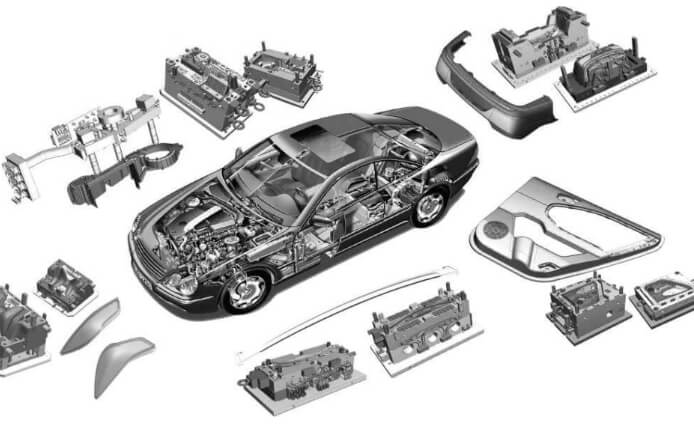
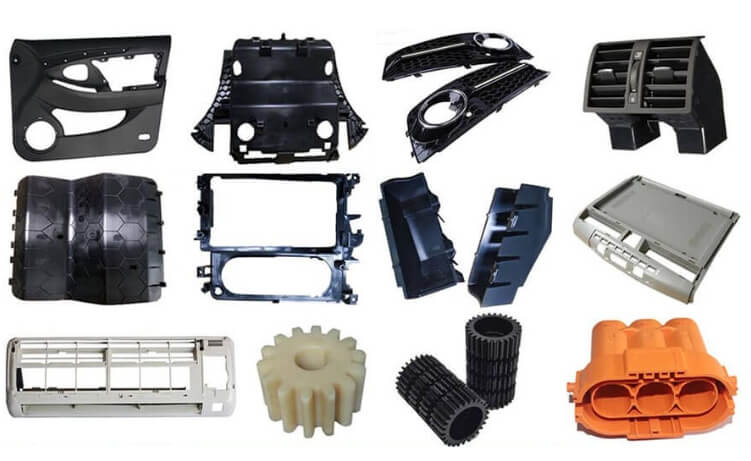
1. automobile industry: automobile shell, interior parts, engine parts, etc. need to use the mold for precision injection molding. Plastic shell molds in automotive manufacturing can not only provide a good appearance, but also meet the requirements of automotive parts for lightweight, durability and cost-effectiveness.
2. household appliances and electronic products: household appliances, smart phones, computers and other electronic products home plastic molding is also an important application of plastic housing mould. These products have high requirements for the appearance of design and dimensional accuracy, and therefore require a precise and reliable mold manufacturing process to ensure product consistency and market competitiveness.
3. medical devices: plastic housing moulds are widely used in the production of medical equipment shells, instruments and equipment. These products not only need to have a high degree of precision, but also need to meet medical and health standards.
4. electric power industry: plastic housing mould is also used to produce all kinds of electrical equipment shells, connectors and insulation parts. These shells need to have waterproof, dustproof, corrosion-resistant characteristics to ensure the normal operation of electrical equipment.
5. Wide range of applications in other industries: such as aerospace, toy manufacturing, industrial tools. In these areas, the design and manufacture of plastic molds need to be based on different product requirements, to meet the special technical and functional needs.
-
HOPO's Plastic Housing Mould
As a professional injection mold manufacturer with many years of experience in mold manufacturing, HOPO is committed to providing customers with high quality and customized plastic housing mould covering a wide range of applications. HOPO's plastic housing mould has unique features and advantages in design and manufacturing. Firstly, the company focuses on the precision of mold design to ensure the dimensional accuracy and appearance quality of the products. Secondly, HOPO adopts advanced production technology and precision injection molding technology to ensure that each production process meets high standards. HOPO has also set up a strict quality management system, from the selection of raw materials to all aspects of the production process, strict quality control is carried out. HOPO's plastic housing mould provides reliable solutions for customers.
Related Articles
 The Top Injection Molding Industry Leader 2026-02-24 0
 2026 Injection Molding Industry Leader 2026-02-24 0
 USA Top Custom Moulding Experts 2026-02-11 0
 2026 Architectural and Decorative Moulding Leaders in USA 2026-02-11 0
 2026 Top Industrial Plastic Injection Moulding Titans 2026-02-02 0
- 2026 Top Moulding Company 2026-02-02 0
- What Is an Aluminum Injection Mold and Why Is It Used 2026-01-19 0
 How Does Aluminum Material Grade Impact Mold Cost 2026-01-19 0
 The Cost of an Aluminum Injection Mold 2026-01-19 0
 What Affects the Cost of an Aluminum Injection Mold 2026-01-19 0
 What Is the Strength of the 7 Most Common Injection Molding Plastics 2026-01-12 0
 How Thick Can You Injection Mold Plastic 2026-01-12 0
 What Are the 7 Steps of PLC 2025-12-16 0
 What Is PLC in Injection Molding 2025-12-16 0
- What Is the Minimum Wall Thickness of the 7 Main Types of Plastic 2025-12-11 0
 Industry Standards or Guidelines for Wall Thickness by Application 2025-12-11 0
 Why Does Plastic Shrink More in Thick Sections in Injection Molding 2025-12-02 0
 The Strongest Plastic for Injection Molding 2025-12-02 0
- Why is Machine Assistance Essential in High-Demand Mould Shops 2025-11-20 0
 Common Defects and Limitations Must Mold Finishers Anticipate with CP 2025-11-20 0
